Introduction to the World of Sports
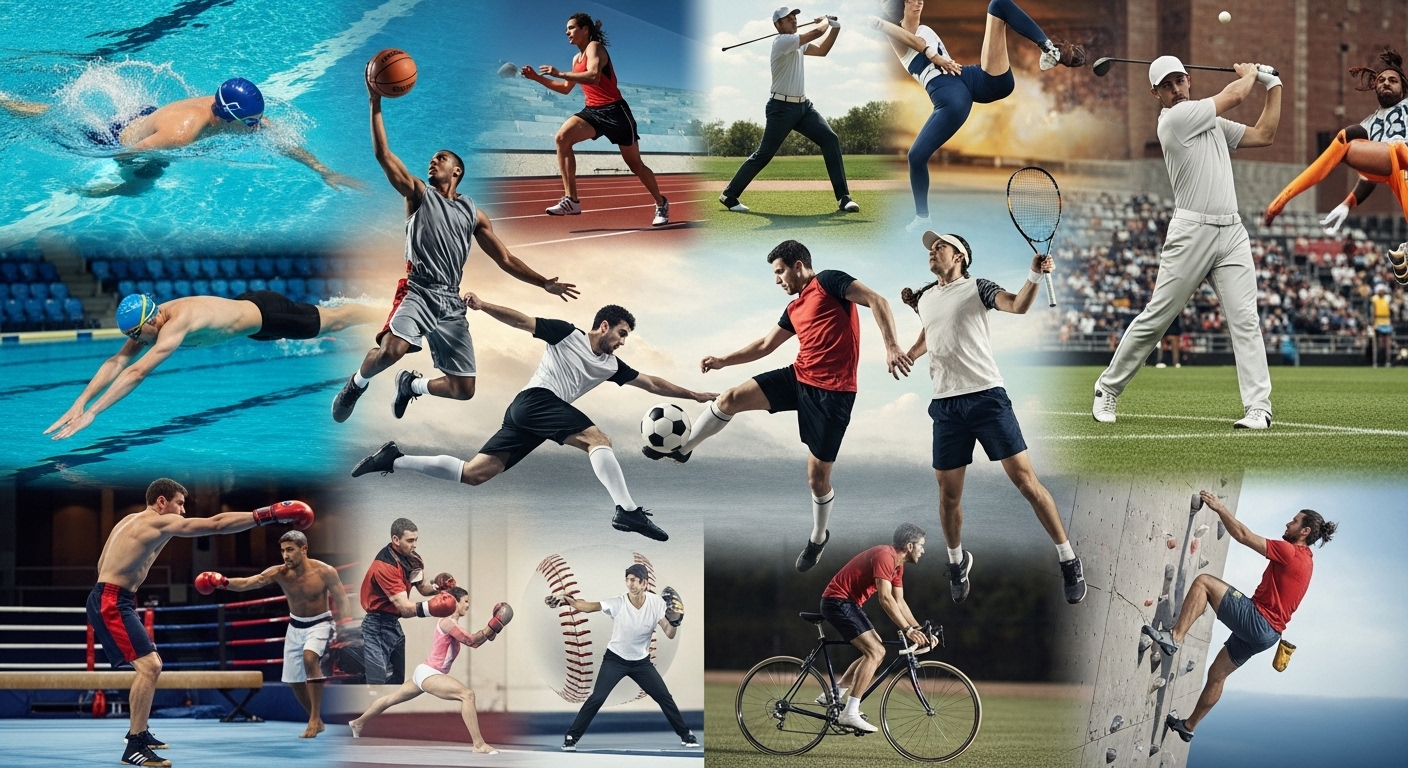
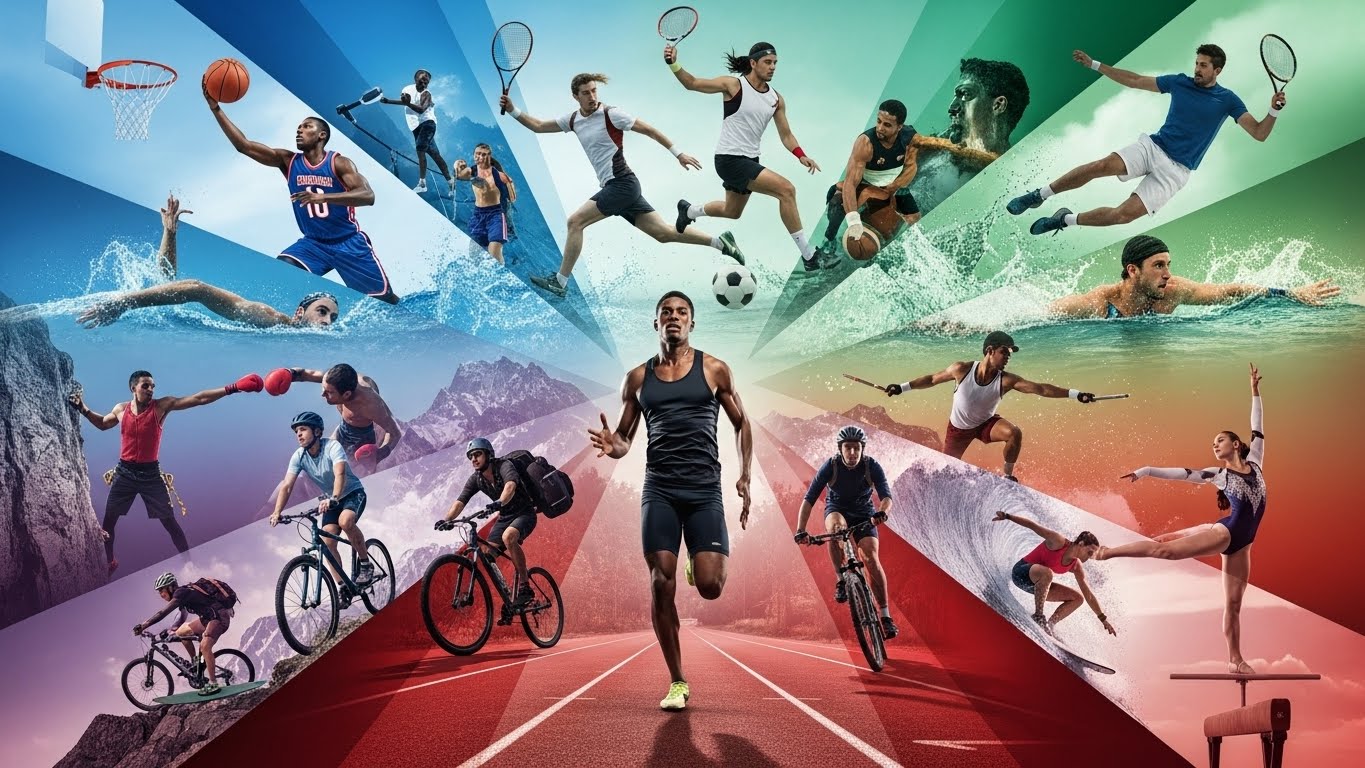
Sports have always been a vital part of human civilization. From the earliest days of mankind, physical competition and athletic skill have symbolized not just strength and agility but also unity, teamwork, and perseverance. Whether played in the ancient arenas of Greece or in the modern stadiums that hold thousands of passionate spectators, sports have continuously shaped cultures, inspired generations, and built communities. They transcend boundaries of language, race, and nationality, bringing people together in moments of triumph and defeat alike.
The beauty of sports lies in its universality. Every country, no matter how small, celebrates its own forms of games and athletic traditions. From football to cricket, basketball to tennis, every sport carries with it a legacy of discipline, dedication, and dreams. The emotions tied to sports are powerful — joy, pride, heartbreak, and hope — all come alive within the hearts of athletes and fans.
The Evolution of Sports Through the Ages
The history of sports stretches back thousands of years. Ancient civilizations used physical contests not only as recreation but also as ways to train warriors and demonstrate bravery. In Greece, the Olympic Games began as a religious festival in honor of Zeus and became one of the most prestigious athletic competitions in history. These early games established a tradition that would eventually evolve into the modern Olympic Games we know today.
In medieval times, sports took on new forms such as jousting, archery, and fencing, which were not only competitive but also essential for survival and defense. With the passage of time, sports became more organized, with the formation of clubs, teams, and formal rules. The nineteenth and twentieth centuries marked the rise of professional sports, where athletes could make careers out of their passion.
Today, sports are not only a form of entertainment but a global industry worth billions. They influence economies, politics, education, and even international relations. From television broadcasts to digital platforms, sports have found a place in every corner of the modern world.
The Psychological Impact of Sports
Sports are not just about physical ability; they are equally a test of mental strength. Every athlete knows that mindset often determines victory or defeat. The discipline required to train daily, the focus needed during a match, and the resilience to recover from setbacks all shape a person’s character.
Psychologically, participation in sports can boost confidence, improve mood, and reduce anxiety. Athletes learn how to cope with stress and maintain composure under pressure. The sense of achievement from winning a match or simply improving personal performance contributes to self-esteem and motivation. For many young people, sports serve as a positive outlet for energy, reducing the likelihood of engaging in negative behaviors.
Even for spectators, sports can have emotional benefits. Cheering for a favorite team creates a sense of belonging and shared purpose. The ups and downs of a season mirror life itself — filled with unpredictability, passion, and lessons in perseverance.
The Role of Teamwork and Leadership
One of the greatest lessons sports teach is the importance of teamwork. Whether in football, cricket, basketball, or hockey, success often depends on how well individuals work together toward a common goal. Every player has a unique role, and understanding how to synchronize efforts is key to victory.
Team sports foster communication, cooperation, and mutual respect. Players learn to trust one another, adapt to different playing styles, and accept both criticism and praise. Leadership naturally emerges in such environments, as certain individuals guide others, make strategic decisions, and inspire their teammates.
Good leaders in sports are not just skilled athletes; they are motivators who can lift spirits even after a loss. The qualities of teamwork and leadership developed through sports extend far beyond the field — they become valuable life skills applicable to careers, relationships, and personal growth.
Sports as a Source of National Pride
Few things unite a nation like sports. When athletes wear their country’s colors on an international stage, they become symbols of national identity and pride. Victories in global tournaments bring immense joy and celebration, while losses often trigger emotional reflection.
The sense of patriotism that sports ignite is remarkable. For instance, when a nation wins an Olympic gold medal or a World Cup title, it becomes a shared moment of collective triumph. These achievements inspire younger generations and promote national unity.
Sports diplomacy also plays a subtle but powerful role in international relations. Matches between rival countries can ease tensions and foster mutual respect. Through friendly competitions, nations can build bridges and promote peace — demonstrating that competition can exist alongside camaraderie.
The Economic Impact of Sports
Sports have evolved into a massive economic powerhouse. From ticket sales and merchandise to broadcasting rights and sponsorships, the business of sports sustains millions of jobs worldwide. Major sporting events such as the Olympics, FIFA World Cup, and Super Bowl generate billions in revenue and attract tourism on an unprecedented scale.
Local economies also benefit from sports. Stadiums create employment opportunities, sports academies nurture talent, and sporting goods industries thrive. For many developing nations, sports offer a path toward economic and social development by providing young athletes a platform to shine and earn livelihoods.
Moreover, brands see sports as a perfect avenue for marketing. Athletes serve as ambassadors for products and values, influencing millions of followers. Sports marketing has thus become a crucial part of global commerce, blending athletic excellence with creative promotion.
Sports and Technology: A Modern Revolution
In the twenty-first century, technology has transformed the landscape of sports. Advanced equipment, data analytics, and digital innovations have enhanced performance, safety, and entertainment. Wearable devices track athletes’ health metrics, while video analysis helps coaches refine techniques and strategies.
Virtual reality and augmented reality have also changed the way fans experience sports. Supporters can now watch games from immersive perspectives, replay moments in high definition, and interact with players online. Social media platforms allow athletes to share their journeys directly with fans, creating a more personal connection than ever before.
Technology has also improved fairness in competition. Tools like the Hawk-Eye system in tennis, VAR in football, and advanced timing systems in athletics ensure that results are accurate and transparent. This integration of innovation continues to evolve, shaping the future of sports performance and fan engagement.
Sports and Education
The relationship between sports and education is deeply interconnected. Schools and universities around the world emphasize the importance of physical education alongside academics. Sports teach discipline, time management, and resilience — qualities that complement intellectual development.
Student-athletes often learn how to balance rigorous training schedules with academic responsibilities. This balance nurtures responsibility and focus, preparing them for challenges beyond the classroom. In many educational systems, scholarships for athletic talent provide opportunities for higher education, especially for those from underprivileged backgrounds.
Moreover, sports instill moral values such as honesty, respect, and fairness. These lessons in ethics contribute to shaping responsible citizens who understand the importance of integrity and hard work.
The Challenges Faced in Sports
While sports bring countless benefits, they are not without challenges. Issues such as doping, corruption, and unequal opportunities continue to affect the integrity of competitions. The pressure to win at all costs sometimes drives athletes and organizations to unethical practices, damaging the true spirit of sportsmanship.
Another major concern is mental health. Athletes often face extreme pressure from media, sponsors, and fans. The expectation to perform consistently can lead to burnout, anxiety, and depression. In recent years, several athletes have spoken out about mental health struggles, encouraging a more open dialogue and the need for emotional support systems.
Gender inequality also remains a global issue. Despite progress, female athletes still face disparities in pay, recognition, and opportunities. Equal representation and fair treatment must continue to be a focus to ensure that sports truly become inclusive.
The Global Influence of Sports Icons
Sports icons have a unique influence that extends far beyond the field. Figures like Muhammad Ali, Serena Williams, Cristiano Ronaldo, Lionel Messi, and many others have become global ambassadors of resilience, discipline, and excellence. Their stories of struggle and success inspire millions to pursue their dreams, no matter the obstacles.
These athletes often use their fame to advocate for social causes, from education and health awareness to racial equality and environmental protection. Their voices carry weight, and when used for positive change, they become catalysts for progress.
The rise of social media has amplified their reach even further. Today’s sports stars connect directly with their fans, sharing personal insights and motivating others to adopt healthy lifestyles and values.
Sports as a Tool for Social Change
Sports possess an unmatched power to drive social transformation. Programs promoting community development through sports have successfully reduced crime, improved education, and fostered inclusion. In many countries, initiatives that involve underprivileged youth in sports activities have helped them develop discipline, confidence, and a sense of purpose.
Moreover, sports break down social barriers. On the field, players are not defined by background, wealth, or status — only by skill and teamwork. This equality promotes mutual respect and understanding, essential components of a harmonious society.
Sports also play a role in empowering women and marginalized groups. As visibility increases for female athletes and differently-abled competitors, societies begin to challenge stereotypes and embrace diversity. The Paralympic Games, for instance, highlight the incredible abilities of athletes with disabilities, proving that determination can overcome any limitation.
The Emotional Connection Between Fans and Sports
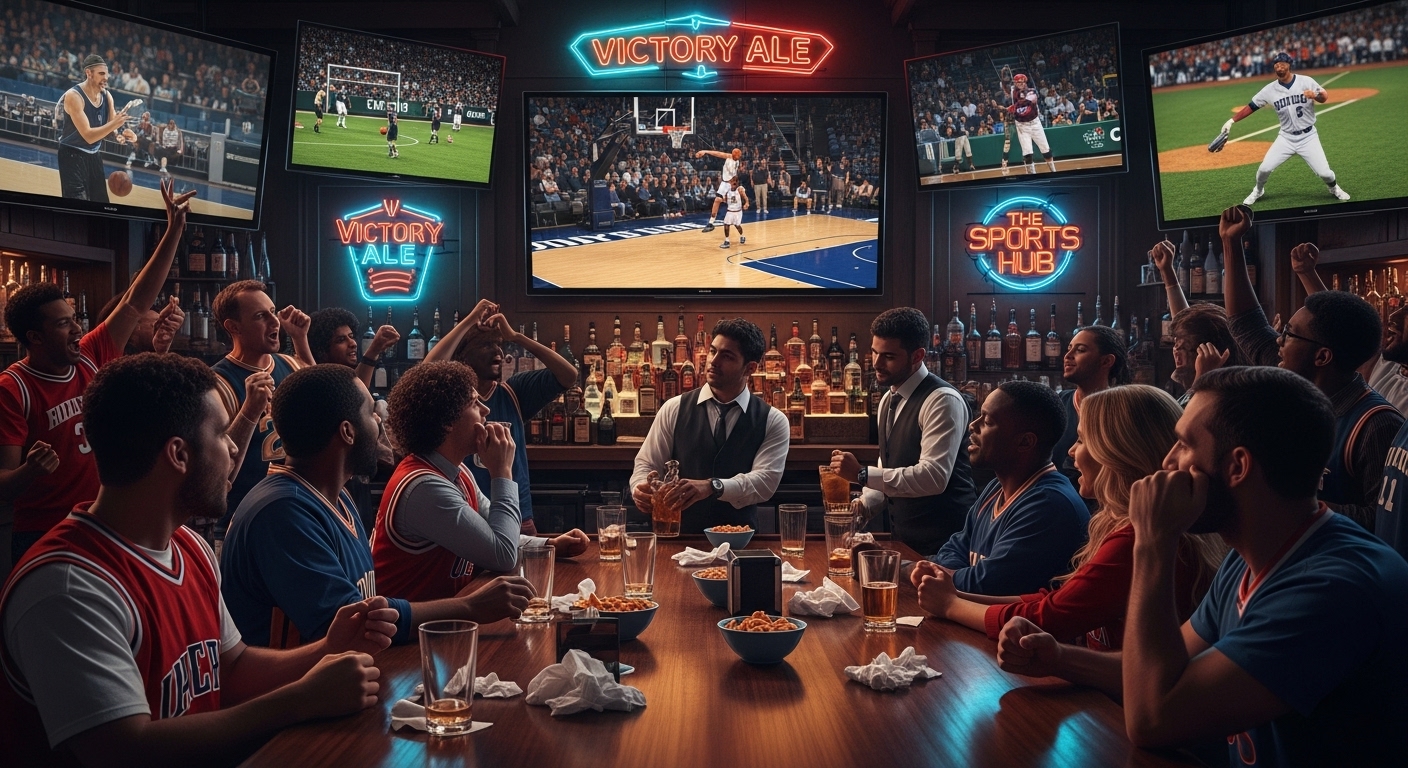
Fans are the heartbeat of sports. Their passion, energy, and unwavering loyalty create an atmosphere like no other. Whether it’s the chanting in a football stadium, the roar of a crowd during a cricket final, or the quiet tension before a tennis serve, these moments embody the spirit of human emotion.
Sports fandom builds communities and friendships. It connects people from different walks of life under a shared banner of support. Fans celebrate victories together and console one another in defeat. This emotional connection is what makes sports timeless and irreplaceable.
In many cases, sports become part of a person’s identity. Supporting a particular team can pass down through generations, creating family traditions and lifelong memories. The stories of legendary matches, unexpected comebacks, and heroic performances become part of cultural heritage.
The Future of Sports
The future of sports looks bright and dynamic. With advances in science, technology, and inclusivity, the landscape continues to evolve rapidly. Esports, for example, has emerged as a new frontier where gaming meets competitive spirit. It has attracted millions of participants and viewers, redefining what it means to be an athlete.
Sustainability is also becoming a major focus. Sports organizations are increasingly aware of their environmental impact and are working toward eco-friendly practices — from constructing green stadiums to reducing waste at major events.
Additionally, global access to sports is expanding. More children around the world are getting opportunities to participate, thanks to grassroots programs and digital learning platforms. This wider reach ensures that talent can emerge from any corner of the world.
The integration of artificial intelligence and advanced analytics promises to enhance training methods, injury prevention, and fan engagement. The boundary between sports and technology will continue to blur, offering limitless possibilities for innovation and excitement.
Conclusion: The Enduring Spirit of Sports
Sports are far more than games; they are a reflection of human nature itself. They teach us how to win gracefully, lose with dignity, and never stop striving for excellence. They remind us that success is not just measured by trophies but by the effort, courage, and integrity displayed along the way.
From ancient stadiums to digital arenas, the essence of sports remains unchanged — to push limits, build connections, and celebrate the indomitable human spirit. In every cheer, every sweat-drenched jersey, and every tear of joy or defeat, we witness the same timeless truth: sports unite us all.
The power of sports lies not only in competition but in its ability to inspire hope, ignite dreams, and create a world where everyone — regardless of background — can stand together in the pursuit of greatness.