
Introduction
Sports have always been more than a form of entertainment. They are a vital part of human culture, promoting health, teamwork, and personal growth. From local community games to international competitions, sports inspire people, build character, and bring communities together. They teach life lessons that extend far beyond the field or court.
The Evolution of Sports
Sports have a rich history, evolving from simple contests of strength and skill to organized professional games followed by millions around the world. Ancient civilizations celebrated athletic competitions as a mark of strength and honor, while modern sports combine skill, strategy, and technology. Today, sports are a global phenomenon, connecting fans across continents and cultures.
Physical and Mental Benefits
Engaging in sports improves physical health by enhancing strength, endurance, and overall fitness. It also sharpens mental abilities, teaching focus, discipline, and resilience. Regular participation in sports can reduce stress, boost confidence, and improve decision-making skills. Whether playing or watching, sports encourage mental and emotional well-being.
Teamwork and Collaboration
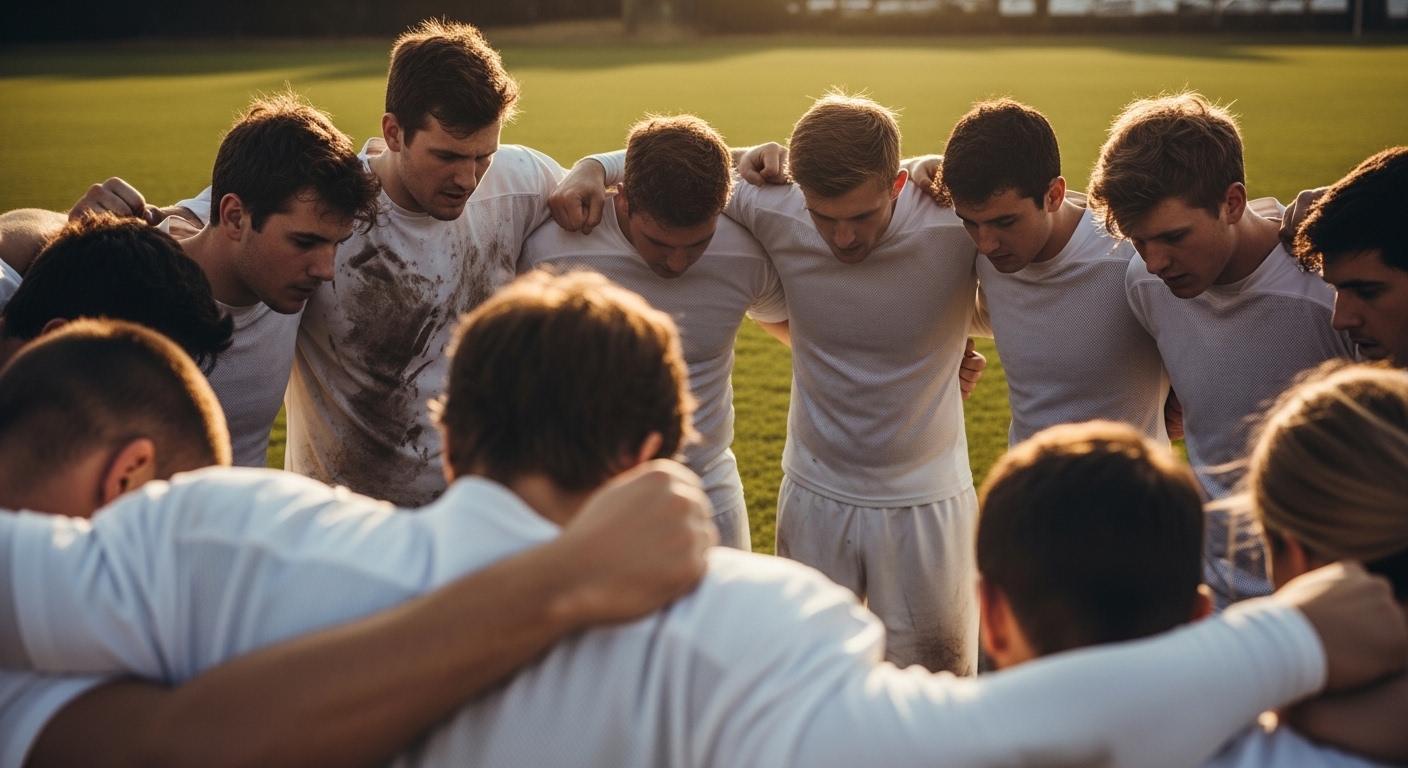
One of the greatest lessons sports offer is the value of teamwork. Players learn to communicate, trust one another, and work toward a common goal. Even in individual sports, success depends on coaches, trainers, and support systems. The ability to collaborate and support others in sports often translates to better relationships and teamwork in everyday life.
Sports as a Cultural Bridge
Sports have the power to unite people from diverse backgrounds. International tournaments, leagues, and championships bring together fans and players from all corners of the globe. These events promote cultural understanding, national pride, and shared experiences. Sports influence fashion, entertainment, and social trends, reflecting and shaping societies worldwide.
Technology in Modern Sports
Technology has transformed the way sports are played, analyzed, and enjoyed. Advanced equipment, performance monitoring systems, and video review technologies have improved fairness and accuracy in competitions. Sports science helps athletes optimize training, prevent injuries, and reach peak performance, making the games more competitive and engaging.
Life Lessons Learned from Sports
Sports teach perseverance, discipline, and integrity. They show the importance of handling both victory and defeat with grace. Fair play, respect for opponents, and dedication are essential values that athletes carry into their personal and professional lives. These lessons help individuals grow, adapt, and thrive in everyday challenges.
Conclusion
Sports are more than games; they are a source of inspiration, growth, and connection. They enhance physical and mental well-being, teach vital life skills, and unite communities. By embracing sports, we not only enjoy the thrill of competition but also learn lessons that enrich our lives beyond the playing field. The spirit of sports remains a powerful force for personal and societal transformation.