
Introduction
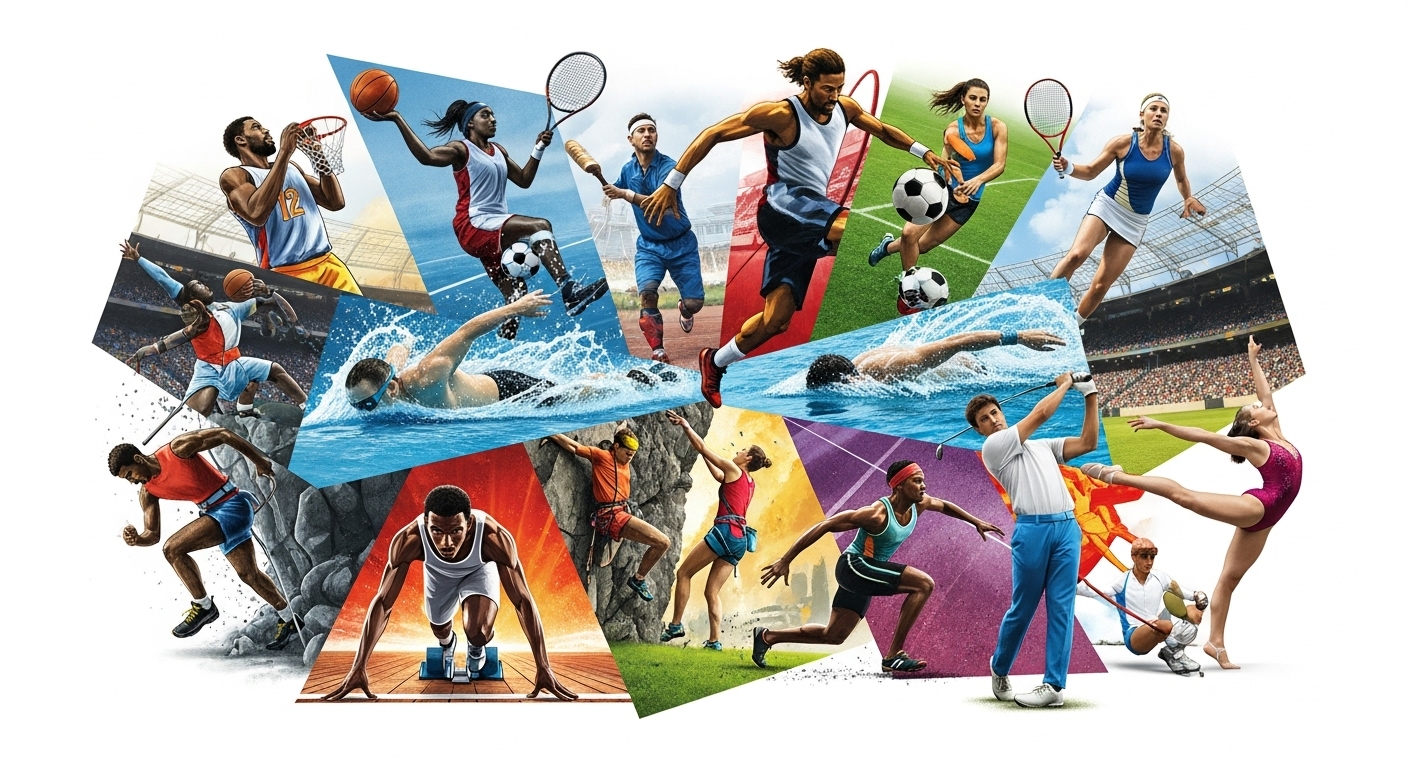
Sports are a universal language that transcends cultures, ages, and backgrounds. They are not just about winning or losing; they are about discipline, dedication, and personal growth. From recreational activities to professional competitions, sports have the power to inspire, unite, and transform lives.
The Physical Benefits of Sports
Engaging in sports improves overall health and fitness. Regular physical activity strengthens muscles, enhances flexibility, and boosts endurance. Beyond physical wellness, sports support a healthy lifestyle by promoting better sleep, reducing stress, and improving cardiovascular health. An active lifestyle through sports lays the foundation for long-term physical well-being.
Mental and Emotional Benefits
Sports have a profound impact on mental and emotional health. They reduce anxiety and stress while increasing focus and concentration. Participation in sports builds confidence, resilience, and emotional balance. Overcoming challenges on the field teaches patience, perseverance, and the ability to cope with both success and setbacks.
Teamwork and Leadership
One of the most valuable lessons in sports is the importance of teamwork. Team sports like basketball, football, and volleyball teach communication, trust, and cooperation. Players learn to support one another, share responsibilities, and work toward common goals. Leadership skills naturally emerge as athletes guide, motivate, and inspire their teammates.
Sports as a Source of Inspiration
Athletes inspire millions through their dedication, discipline, and perseverance. Stories of overcoming adversity or achieving remarkable feats motivate fans and aspiring players alike. Sports teach that talent alone is not enough—success requires effort, consistency, and determination. These lessons extend beyond sports, influencing personal and professional life.
The Role of Sports in Society
Sports foster social connections and bring communities together. Local leagues, school competitions, and international events create opportunities for people to unite, celebrate, and share experiences. Sports also encourage inclusivity and equality, providing platforms for people of all genders, abilities, and backgrounds to participate and excel.
Challenges in the Sporting World
Despite its benefits, the world of sports faces challenges. Issues like unfair play, doping, and corruption threaten the integrity of competitions. The intense pressure on athletes can lead to mental and physical strain. Addressing these challenges requires promoting ethics, fairness, and mental health support to ensure that sports remain a positive force.
The Future of Sports
The future of sports is evolving with technology and innovation. Advanced training methods, performance analytics, and digital platforms are reshaping how athletes train and compete. Inclusivity is expanding, providing more opportunities for women, differently-abled individuals, and marginalized communities. Sports will continue to inspire, unite, and empower people across the globe.
Conclusion
Sports are more than games—they are a powerful medium for personal growth, social connection, and inspiration. They teach discipline, teamwork, and resilience, while promoting health and well-being. The true essence of sports lies in participation, dedication, and the lessons learned along the journey. Through sports, individuals and communities grow stronger, more united, and ready to face challenges both on and off the field.