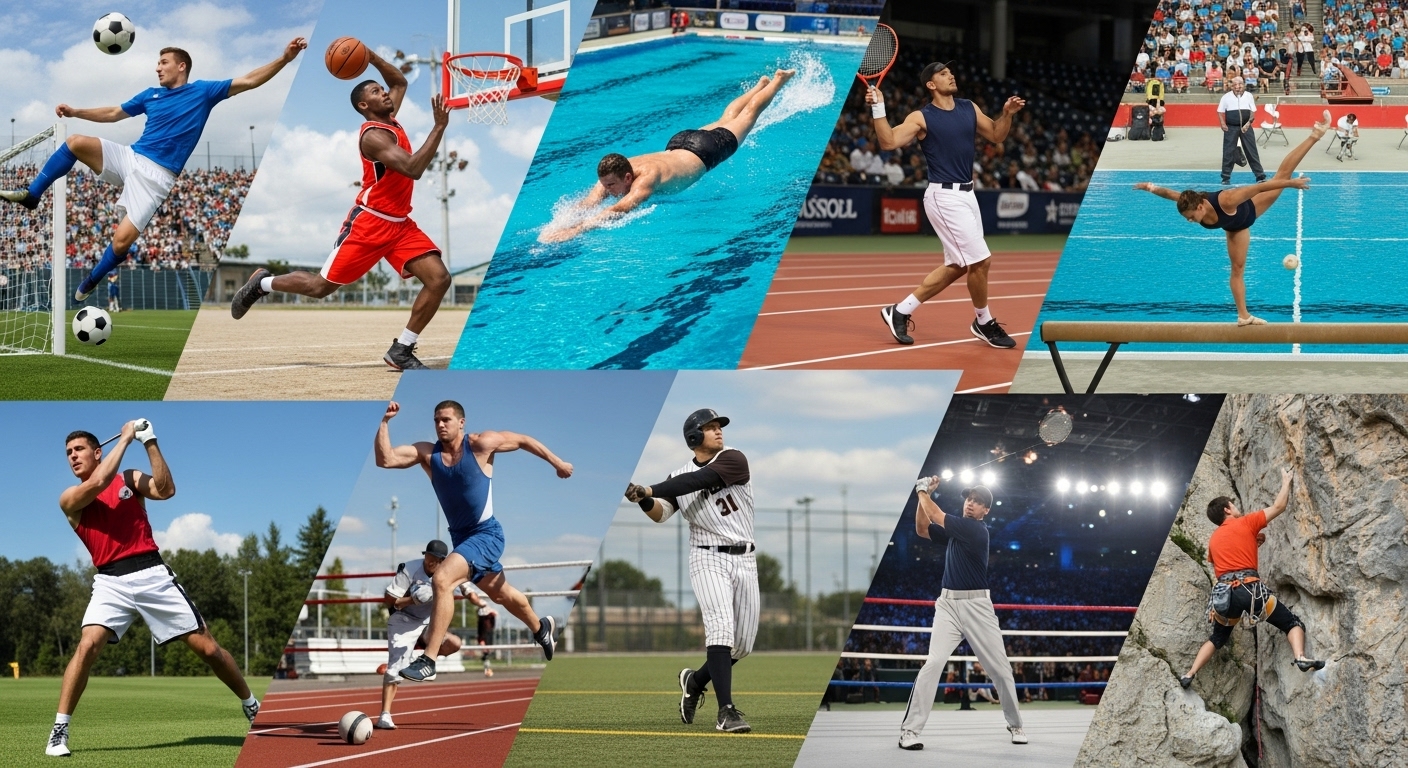
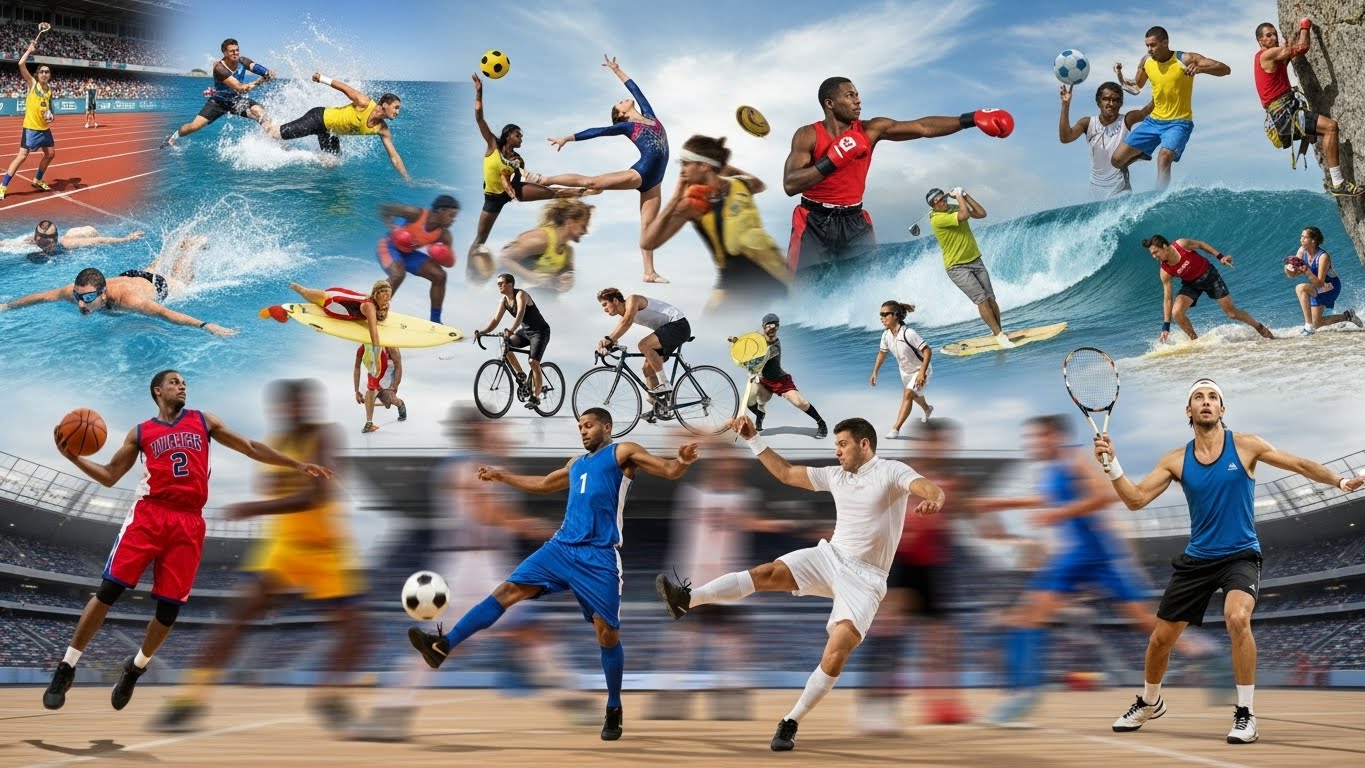
Sports have been an integral part of human civilization for centuries, transcending cultures, languages, and borders. From ancient Olympic competitions in Greece to the global spectacles of the FIFA World Cup and the Olympics today, sports have consistently played a role in shaping societies and individuals alike. They are more than just games; they are a reflection of human determination, resilience, and the pursuit of excellence. This blog explores the multifaceted impact of sports, examining their physical, psychological, social, and cultural significance while highlighting the transformative power they hold in modern life.
The Physical Benefits of Sports
One of the most apparent benefits of participating in sports is the improvement of physical health. Regular involvement in sports helps develop cardiovascular strength, flexibility, endurance, and muscle tone. Whether it’s running on a track, swimming in a pool, or practicing yoga, physical activity associated with sports contributes significantly to overall fitness. Beyond aesthetics and strength, sports help in managing body weight, reducing the risk of chronic diseases such as diabetes and hypertension, and improving immunity.
Moreover, sports promote healthy lifestyle habits from an early age. Children and teenagers who engage in sports are more likely to adopt routines that prioritize exercise and balanced nutrition. For adults, continuing to participate in sports can prevent lifestyle-related ailments and enhance quality of life. Athletes often exhibit higher levels of energy, better posture, and increased longevity compared to sedentary individuals.
Sports are not limited to organized competitions. Recreational sports such as hiking, cycling, and casual basketball games provide similar health benefits while reducing stress on joints and minimizing the risk of overuse injuries. The accessibility of sports makes them an ideal tool for encouraging a healthier, more active society.
Psychological and Mental Health Benefits
Sports are not just about physical fitness; they have profound effects on mental well-being. Participation in sports is strongly linked to improved mood, reduced stress, and increased cognitive functioning. Physical activity triggers the release of endorphins, commonly known as the “feel-good” hormones, which help combat depression and anxiety. Athletes often report enhanced concentration, better memory, and a greater sense of accomplishment, all of which contribute to improved mental health.
Competitive sports teach individuals to cope with failure, manage pressure, and maintain resilience. Losing a match or failing to meet personal expectations is a common experience in sports, but it also fosters emotional intelligence and problem-solving skills. These lessons translate into real-life scenarios, helping individuals handle professional challenges, academic stress, and personal setbacks with a balanced mindset.
Team sports, in particular, enhance social and emotional skills. Athletes learn empathy, effective communication, and conflict resolution through collaboration with teammates. The bonds formed on the field often extend beyond sports, cultivating lifelong friendships and a sense of belonging. Even solo sports, like long-distance running or swimming, encourage introspection and self-discipline, strengthening mental fortitude.
Sports as a Tool for Social Cohesion
Beyond personal development, sports serve as a powerful medium for social cohesion. They bring together people from diverse backgrounds, bridging cultural, economic, and linguistic divides. International sporting events, such as the Olympics or World Cup, foster a sense of global unity as fans celebrate athletic achievements and cultural diversity simultaneously. These events highlight that, regardless of nationality or ethnicity, shared passion can create connections that transcend societal boundaries.
On a local level, sports clubs and community teams offer opportunities for inclusion and social interaction. They create safe spaces where children, teenagers, and adults can learn teamwork, respect, and cooperation. Sports also serve as a constructive outlet for youth, steering them away from negative influences and providing purpose and direction. Community tournaments and recreational leagues encourage participation, enhancing civic pride and community identity.
Sports also play a pivotal role in breaking down gender stereotypes and promoting equality. Women’s participation in sports has risen steadily over the decades, challenging traditional norms and inspiring new generations. Female athletes not only achieve excellence in their disciplines but also empower others to pursue their passions, demonstrating that talent knows no gender.
Sports and Cultural Significance
The influence of sports extends into culture, shaping societal values, traditions, and even national identity. In many countries, sports become intertwined with cultural narratives and historical pride. Football in Brazil, cricket in India, and sumo wrestling in Japan are more than just athletic activities; they represent national heritage and collective identity. Sporting events serve as cultural celebrations, where rituals, music, and local customs come alive, creating a shared sense of belonging and pride.
Sports also act as a mirror of social change. The inclusion of Paralympic games highlights the importance of accessibility and recognition of differently-abled athletes. Major sporting milestones often coincide with broader societal progress, such as racial integration in professional leagues or equal pay initiatives for female athletes. By observing and participating in sports, societies can witness both challenges and triumphs that reflect their evolving values.
Art, literature, and media frequently draw inspiration from sports, portraying the drama, passion, and heroism inherent in athletic pursuits. Films, books, and documentaries celebrating sports stories resonate deeply with audiences, emphasizing themes of perseverance, sacrifice, and triumph over adversity.
The Economics of Sports
Sports also wield significant economic influence, contributing to local, national, and global economies. Professional sports leagues, stadiums, and merchandising generate billions of dollars annually. Major sporting events boost tourism, hospitality, and infrastructure development, stimulating economic growth in host cities. For athletes, sports can be a lucrative career, providing financial stability and opportunities for entrepreneurship and endorsements.
Beyond professional arenas, sports-related industries such as fitness equipment, apparel, nutrition, and technology thrive due to increasing global interest in health and wellness. Grassroots sports programs also contribute to employment and community development, highlighting that the benefits of sports extend far beyond the field.
The Role of Technology in Modern Sports
The integration of technology has transformed the way sports are played, analyzed, and consumed. From performance-tracking wearables to virtual reality training, athletes now have access to tools that enhance precision, safety, and efficiency. Advanced analytics allow coaches to develop tailored strategies and optimize player performance, while fans experience immersive engagement through live broadcasts and interactive platforms.
Moreover, technology has democratized access to sports knowledge and resources. Online tutorials, virtual coaching sessions, and digital communities enable individuals from remote areas to participate, learn, and compete on a global scale. This evolution ensures that sports remain relevant and adaptable in a fast-changing world.
Inspiring Stories from Sports
The true magic of sports lies in the stories they produce—tales of resilience, courage, and triumph. Athletes often overcome incredible obstacles, from personal hardships to societal barriers, demonstrating the indomitable human spirit. Legends in sports inspire millions to push beyond limits and redefine what is possible.
These stories go beyond records and trophies. They teach life lessons: the importance of hard work, discipline, perseverance, and humility. They remind us that success is rarely instant and that failures are stepping stones toward achievement. Fans and aspiring athletes alike draw motivation from these narratives, realizing that the values learned on the field can shape every aspect of life.
Sports and Education
Sports play a critical role in education, fostering holistic development for students. Schools that emphasize athletics alongside academics create well-rounded individuals capable of balancing physical, intellectual, and social growth. Participation in sports enhances leadership skills, time management, and teamwork, equipping students with skills vital for both higher education and professional life.
Scholarship programs and sports academies provide talented individuals with opportunities to pursue excellence while securing educational advancement. These programs highlight that sports and education are complementary, not mutually exclusive, encouraging a generation that values both intellect and physical well-being.
Challenges in the World of Sports
Despite their many benefits, sports face several challenges that require attention. Issues such as doping, corruption, commercialization, and unequal access continue to threaten the integrity and inclusivity of sports. The pressure to win at all costs sometimes overshadows the spirit of fair play and personal development.
In addition, access to quality sports facilities and training remains uneven across regions and social strata. Addressing these disparities is essential for ensuring that sports continue to be a unifying and empowering force rather than a divisive one. Encouraging grassroots programs, promoting ethical practices, and investing in infrastructure are crucial steps toward creating a sustainable sporting ecosystem.
The Future of Sports
The future of sports is dynamic and promising. As society becomes more health-conscious, sports will continue to play a vital role in promoting physical and mental well-being. Technological advancements will further enhance performance, safety, and fan engagement. Global initiatives promoting inclusion, gender equality, and accessibility will ensure that sports remain a universal language that transcends barriers.
Additionally, the environmental impact of sporting events is gaining attention. Sustainable practices in stadium construction, event management, and athlete travel are becoming priorities, reflecting the broader responsibility sports have toward society and the planet. The next generation of sports will not only celebrate excellence but also emphasize ethics, inclusivity, and sustainability.
Conclusion
Sports are far more than recreational activities; they are a powerful force that shapes individuals, communities, and societies. From physical fitness to mental resilience, cultural identity to economic growth, and education to social cohesion, the benefits of sports are extensive and multifaceted. They inspire, unite, and challenge us, reflecting the best aspects of human nature.
In a world increasingly dominated by technology and sedentary lifestyles, sports remind us of the importance of movement, teamwork, discipline, and perseverance. They are a celebration of human potential and a source of endless inspiration. By embracing sports in all its forms, society can cultivate healthier, stronger, and more connected individuals while honoring the timeless spirit of competition and excellence that has defined humanity for centuries.