Introduction: More Than a Game
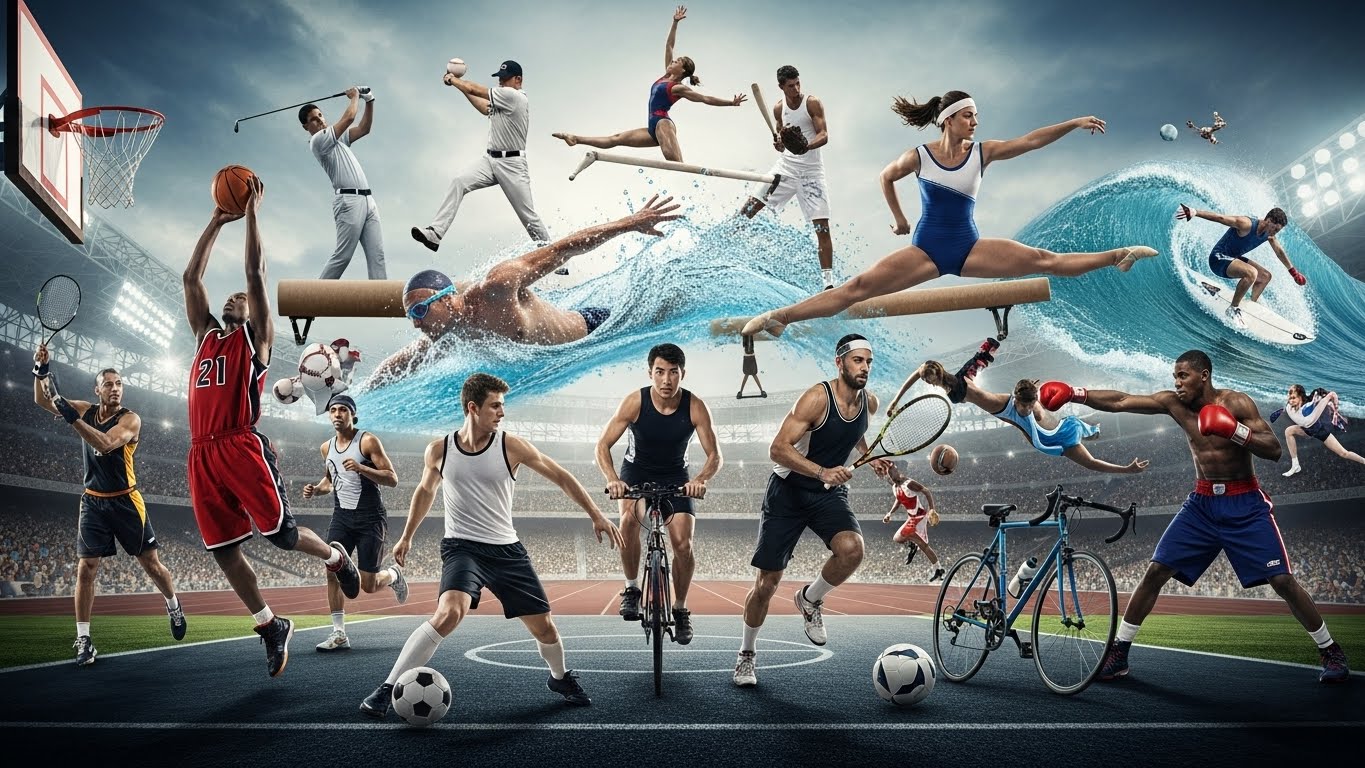
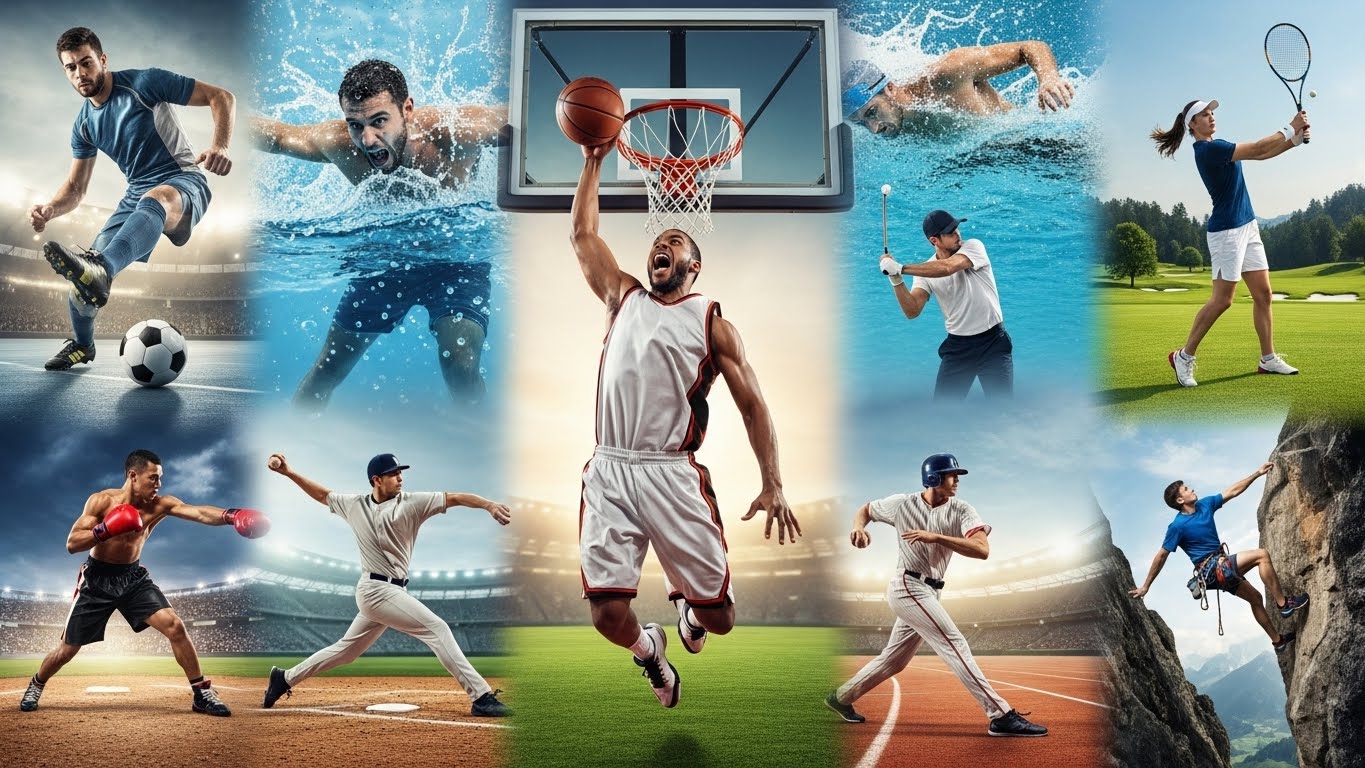
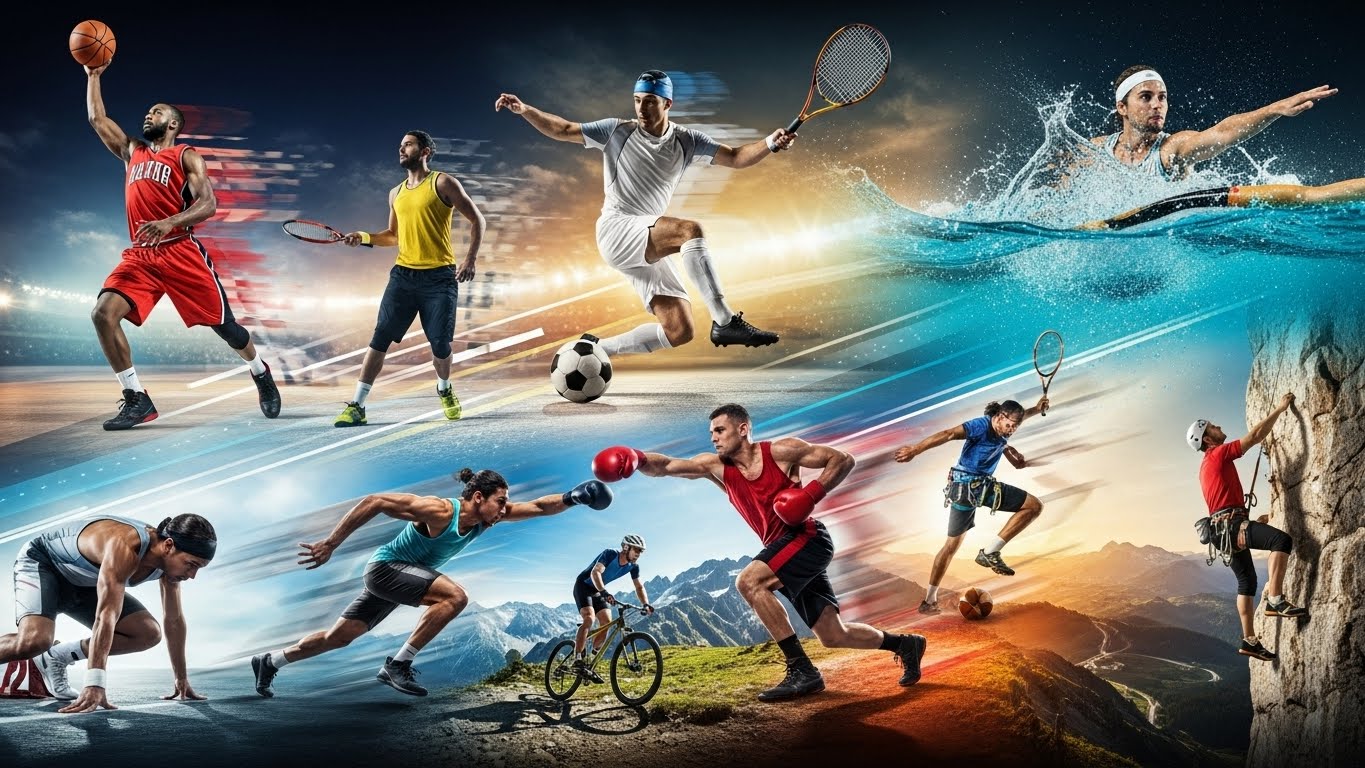
Sports have always been more than a contest between two sides trying to outscore each other. They represent passion, discipline, identity, and human resilience. From dusty village fields to grand international stadiums, sports connect people across cultures, languages, and generations. They influence how we think, how we live, and even how societies evolve. In today’s fast-changing world, sports continue to play a powerful role not only in entertainment but also in personal growth, social unity, and global inspiration.
The Emotional Power of Sports
One of the strongest reasons sports matter is the emotion they generate. A last-minute goal, a record-breaking sprint, or an unexpected comeback can create moments that stay in memory for a lifetime. Fans cry, cheer, celebrate, and sometimes suffer together. These shared emotions build a sense of belonging that few other activities can match.
Sports allow people to experience hope and disappointment in a controlled, meaningful way. A loss teaches acceptance and patience, while a victory reinforces belief and joy. This emotional journey mirrors real life, which is why people connect so deeply with their favorite teams and athletes.
Sports as a Teacher of Life Lessons
Every sport carries lessons that extend far beyond the playing field. Discipline is learned through regular training and commitment. Team sports teach cooperation, communication, and trust. Individual sports develop self-reliance, focus, and mental strength.
Failure is an inevitable part of sports, and learning to handle it builds resilience. Athletes understand that improvement comes from mistakes, not from avoiding them. This mindset helps individuals face challenges in careers, relationships, and personal goals with confidence and determination.
Physical Health and Mental Well-Being
Sports play a crucial role in maintaining physical health. Regular participation improves cardiovascular fitness, strengthens muscles, and enhances flexibility and coordination. In an age where sedentary lifestyles are becoming common, sports offer a natural and enjoyable way to stay active.
Beyond physical benefits, sports have a powerful impact on mental health. Exercise releases stress, reduces anxiety, and improves mood. Being part of a team or sports community also reduces feelings of isolation. For many people, sports become a healthy outlet for frustration and emotional pressure.
The Role of Sports in Youth Development
For young people, sports are a foundation for character building. Participation at an early age helps children learn rules, respect authority, and understand fairness. It also teaches them how to balance competition with sportsmanship.
Sports can keep youth engaged in positive activities, reducing the risk of harmful behaviors. Coaches often become mentors who guide young athletes not just in performance, but also in values such as honesty, dedication, and respect. These lessons often stay with them long after their playing days are over.
Sports and Cultural Identity
Sports are deeply tied to cultural identity. Certain games represent national pride, regional history, and traditional values. When a national team competes on the world stage, it carries the hopes and emotions of millions.
Sporting events often become cultural celebrations where music, fashion, and traditions come together. They help preserve heritage while also creating new traditions for future generations. Through sports, cultures share their stories with the world.
The Unifying Power of Global Sports
In a world often divided by politics, religion, and ideology, sports have the unique ability to bring people together. International tournaments create moments where differences fade, and shared admiration for skill and effort takes center stage.
Athletes from different backgrounds compete under the same rules, promoting mutual respect and understanding. Fans from opposing sides may disagree fiercely during a match, yet still appreciate the beauty of the game itself. This balance of rivalry and respect is one of sports’ greatest strengths.
The Business and Economics of Sports
Modern sports are also a major economic force. Professional leagues, sponsorships, broadcasting, and merchandise create millions of jobs worldwide. Cities invest in stadiums and infrastructure, often transforming local economies.
While commercialization has changed the nature of sports, it has also provided athletes with opportunities to turn passion into profession. The challenge lies in maintaining the spirit of the game while managing financial interests responsibly.
The Influence of Sports Icons
Sports heroes inspire millions through their achievements and stories. Their journeys often include hardship, rejection, and sacrifice, making their success relatable and motivating. These athletes become role models, especially for young fans who see in them the possibility of achieving greatness.
However, with influence comes responsibility. When athletes use their platform to promote positive change, social awareness, or healthy lifestyles, their impact extends far beyond trophies and medals.
Technology and the Evolution of Sports
Technology has transformed how sports are played, watched, and analyzed. Advanced training methods, performance analytics, and medical innovations have improved athlete longevity and safety. Fans now experience games through high-definition broadcasts, instant replays, and immersive viewing experiences.
While technology enhances fairness and precision, it also raises questions about preserving the human element of sports. The balance between innovation and tradition continues to shape the future of competition.
Women in Sports and Growing Equality
The rise of women’s sports has been one of the most important developments in recent decades. Female athletes are breaking records, challenging stereotypes, and demanding equal recognition. Their success has inspired young girls to pursue sports with confidence and ambition.
Although challenges remain, increased visibility and support are helping create a more inclusive sports culture. Equality in sports not only benefits athletes but also sends a powerful message about fairness and opportunity in society.
Sports as a Tool for Social Change
Sports have often been a platform for social change. Athletes and teams have used their influence to address issues such as discrimination, inequality, and injustice. Sporting events have sparked conversations that reach far beyond stadium walls.
By promoting values like respect, unity, and perseverance, sports can encourage communities to work toward a more just and compassionate world.
Conclusion: The Lasting Impact of Sports
Sports are woven into the fabric of human life. They entertain, educate, heal, and inspire. Whether played professionally or casually, watched in stadiums or discussed among friends, sports create connections that cross boundaries and generations.
Beyond the final whistle, the true value of sports lies in their ability to shape character, strengthen communities, and remind us of our shared humanity. In every pass, race, and leap, sports tell a story of effort, hope, and the endless pursuit of excellence.