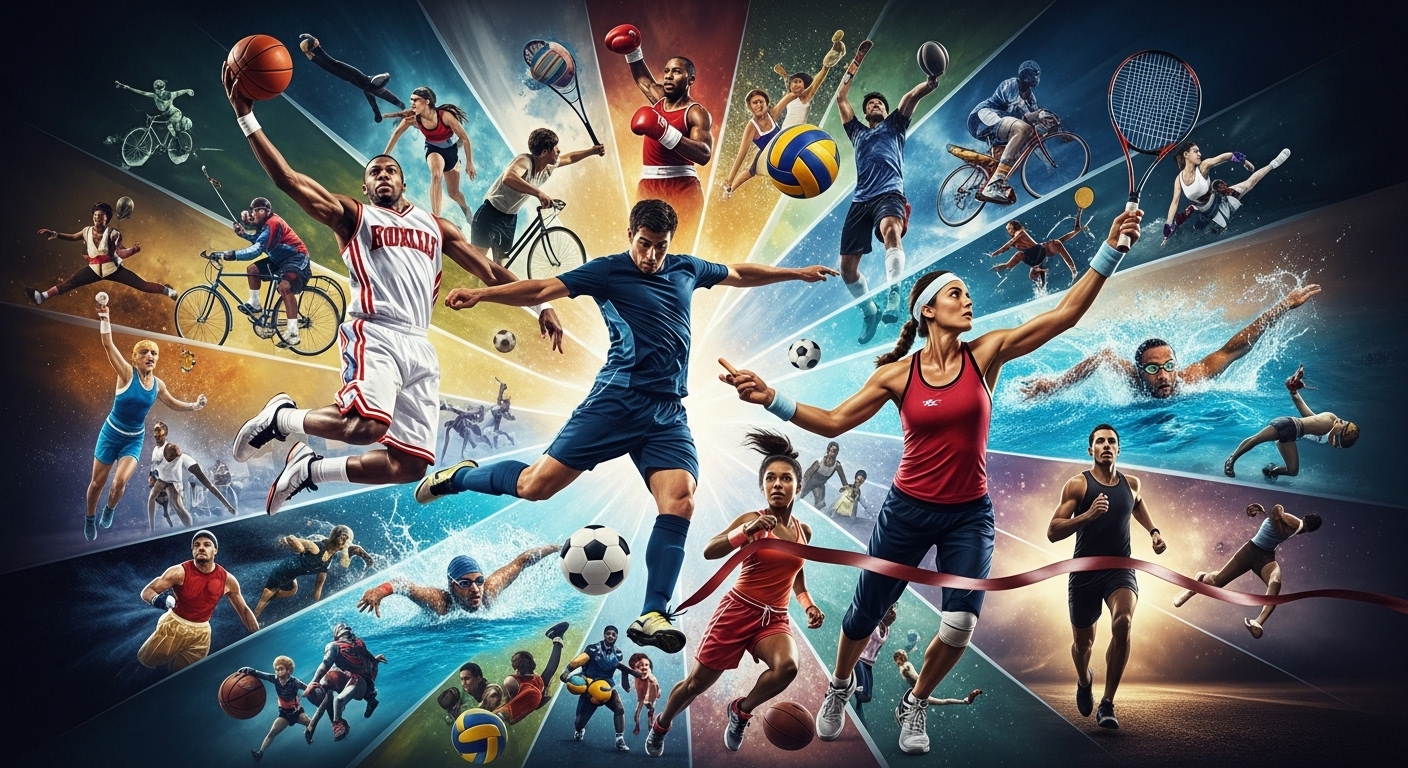
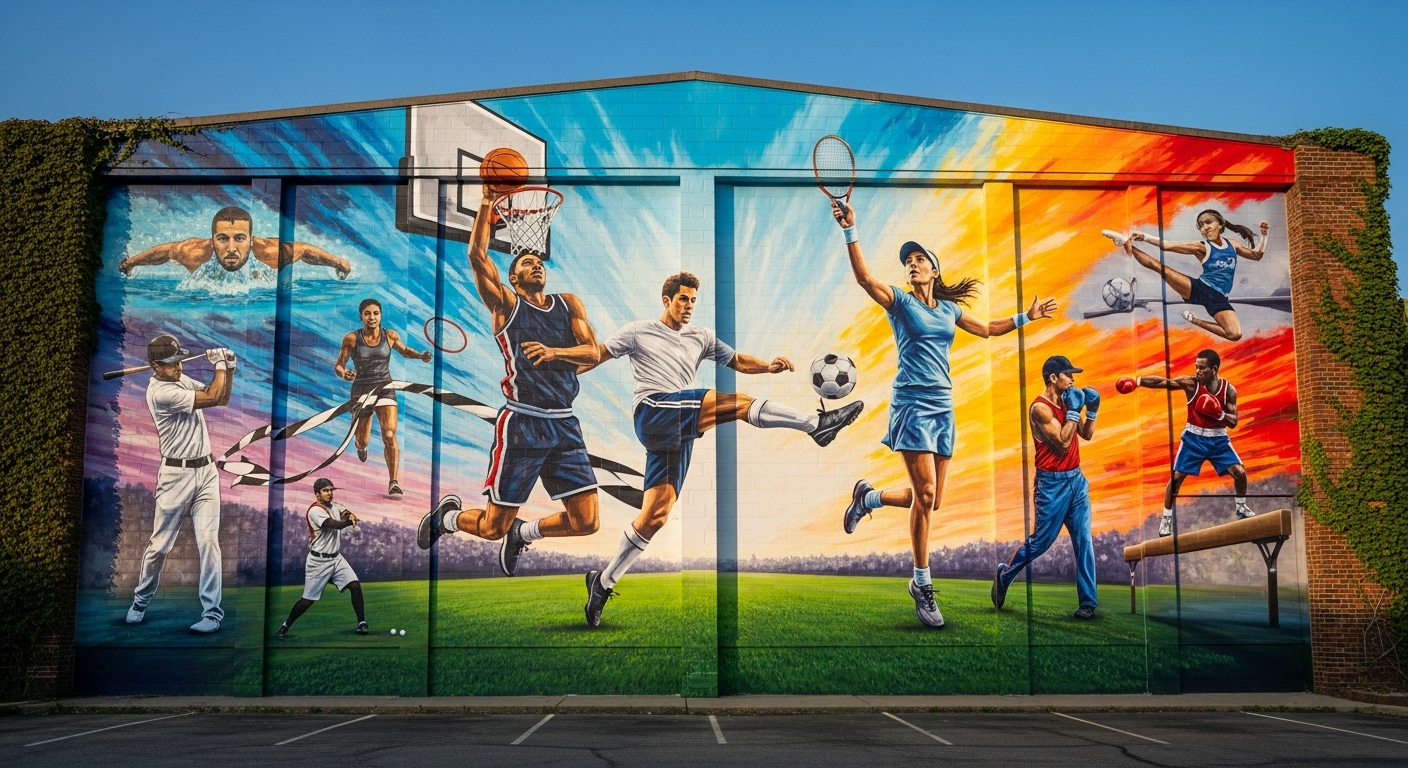
Introduction: The Universal Impact of Sports
Sports are far more than games played on fields or courts; they are a reflection of culture, values, and the human spirit. From local playgrounds to global arenas, sports have the power to unite people, inspire change, and shape societies. Across generations, individuals have turned to sports not only for competition and entertainment but also for personal growth, community engagement, and social connection. Understanding the multifaceted impact of sports reveals why they remain a cornerstone of human development and culture.
Physical Benefits: Strengthening the Body
The most apparent advantage of sports is its impact on physical health. Regular participation in sports improves cardiovascular fitness, strengthens muscles, and enhances flexibility and endurance. Activities such as running, swimming, cycling, and team sports like soccer and basketball promote overall fitness while also developing coordination and agility. Beyond physical strength, sports help manage weight, boost energy levels, and reduce the risk of chronic illnesses. Engaging in physical activity from a young age encourages lifelong healthy habits, fostering a generation that values fitness and well-being.
Mental and Emotional Benefits: Strengthening the Mind
Sports are equally beneficial for mental and emotional health. They teach resilience, patience, and focus. Athletes learn to cope with setbacks, manage stress, and maintain composure under pressure. The sense of achievement that comes from mastering a skill or winning a competition fosters self-confidence and boosts self-esteem. Sports also provide an outlet for stress relief, offering an immersive experience that allows individuals to focus on the present moment. The combination of physical exertion and mental engagement creates a holistic approach to personal growth.
Teamwork and Collaboration: Learning to Work Together
One of the most valuable lessons sports teach is teamwork. In team sports, success is rarely achieved alone. Players must communicate effectively, understand each other’s strengths and weaknesses, and work together to achieve a common goal. These skills extend beyond the field, equipping individuals with the ability to collaborate in professional, academic, and social settings. Teamwork in sports fosters empathy, leadership, and conflict resolution skills, helping participants navigate complex social environments with confidence and understanding.
Leadership and Character Development
Sports provide an ideal environment for cultivating leadership qualities. Athletes often take on roles that require decision-making, motivation, and accountability. Leading a team, making strategic calls, and inspiring peers develops qualities such as responsibility, integrity, and ethical behavior. Beyond leadership, sports instill discipline, dedication, and perseverance—traits that are invaluable in life beyond the game. The lessons learned in sports often serve as a foundation for personal and professional success.
Sports and Social Connection
Sports are a social glue that brings communities together. Local clubs, recreational leagues, and community events create spaces for interaction, fostering camaraderie and connection. Sporting events unite people from diverse backgrounds, promoting inclusivity and mutual respect. The shared experience of cheering for a team or celebrating victories strengthens social bonds and encourages cultural exchange. Sports also offer opportunities for mentorship, where experienced players guide younger participants, creating a sense of community and continuity.
Sports as a Source of Inspiration
Athletes often serve as role models, inspiring others through their dedication, perseverance, and achievements. Stories of triumph over adversity resonate deeply, motivating individuals to pursue their own goals. From grassroots heroes to international icons, athletes demonstrate that success requires effort, resilience, and a willingness to face challenges. This inspiration extends to younger generations, who learn that hard work, focus, and determination can lead to meaningful accomplishments both on and off the field.
Economic Impact of Sports
The sports industry is a significant contributor to the global economy. Professional leagues, tournaments, and events generate revenue through ticket sales, broadcasting rights, sponsorships, and merchandise. Local economies benefit from sports tourism, infrastructure development, and job creation. Beyond direct economic benefits, sports also create opportunities in areas such as coaching, event management, sports analytics, and media. The economic influence of sports underscores their importance as both a cultural and financial force in society.
Technology in Sports: Innovation and Enhancement
Technology has transformed the way sports are played, managed, and experienced. Performance analytics, wearable devices, and advanced training equipment allow athletes to monitor and improve their performance. Video replay and instant review systems ensure fairness and accuracy in competitions. For fans, technology provides immersive experiences through live streaming, virtual reality, and interactive platforms. By integrating innovation, sports continue to evolve, becoming more engaging, accessible, and efficient for both players and spectators.
Inclusivity and Accessibility
Modern sports increasingly prioritize inclusivity and accessibility, ensuring that people of all abilities can participate. Adaptive sports programs, Paralympic events, and community initiatives make athletic participation possible for everyone. Inclusivity fosters a culture of respect and equality, breaking down barriers and empowering marginalized groups. Accessibility improvements, such as modified equipment and supportive infrastructure, enable wider engagement, reinforcing the idea that sports are a universal right rather than a privilege.
Sports in Education
Sports play a crucial role in education, promoting holistic development for students. School and college programs encourage physical fitness, teamwork, and discipline alongside academic growth. Participation in sports teaches time management, responsibility, and perseverance, helping students balance multiple commitments. Scholarships and athletic programs also provide opportunities for talented individuals to pursue higher education while developing their skills. Integrating sports into education ensures that young people gain both intellectual and physical growth, preparing them for future success.
Mental Health Awareness Through Sports
Sports are increasingly recognized as a tool for promoting mental health. Physical activity reduces stress, anxiety, and depression while fostering a sense of accomplishment. Team interactions combat social isolation and encourage a sense of belonging. Athletes and organizations advocate for mental health awareness, encouraging open discussions and providing resources for support. By emphasizing the connection between physical activity and emotional well-being, sports contribute to a more holistic understanding of health.
Global Sporting Events and Cultural Exchange
International competitions such as the Olympics, World Cups, and World Championships are more than contests; they are platforms for cultural exchange and diplomacy. These events showcase athletic excellence while promoting mutual understanding among nations. Fans gain exposure to new cultures, traditions, and values, fostering global awareness and respect. Such events celebrate human achievement and diversity, creating shared experiences that transcend borders and unite people around a common passion.
Emerging Trends in Sports
The world of sports is constantly evolving. Esports and virtual competitions are expanding the definition of athleticism, attracting a new generation of participants and spectators. Sustainable sports initiatives aim to reduce environmental impact, from eco-friendly stadiums to waste management programs at events. Technology continues to drive innovation in training, performance analysis, and fan engagement. The future of sports will be defined by adaptability, inclusivity, and the integration of emerging technologies, ensuring that the spirit of competition continues to thrive.
The Role of Sports in Personal Growth
Participation in sports teaches life lessons that extend far beyond the field. Discipline, perseverance, teamwork, and resilience are invaluable traits that contribute to personal development. Athletes learn to navigate challenges, set goals, and work toward achieving them, building confidence and self-reliance. The experiences gained through sports prepare individuals for professional challenges, social interactions, and personal growth, proving that the impact of sports goes well beyond winning or losing.
Conclusion: The Enduring Influence of Sports
Sports are more than recreational activities; they are powerful tools for physical, mental, and social development. They inspire individuals, build communities, foster leadership, and create economic opportunities. From grassroots initiatives to global events, sports bring people together, encourage personal growth, and celebrate human achievement. As society continues to evolve, the role of sports remains constant—uniting, motivating, and shaping the lives of individuals and communities worldwide. Beyond the arena, sports continue to inspire, teach, and connect, proving that their impact is timeless and universal.