Introduction: More Than Just Games
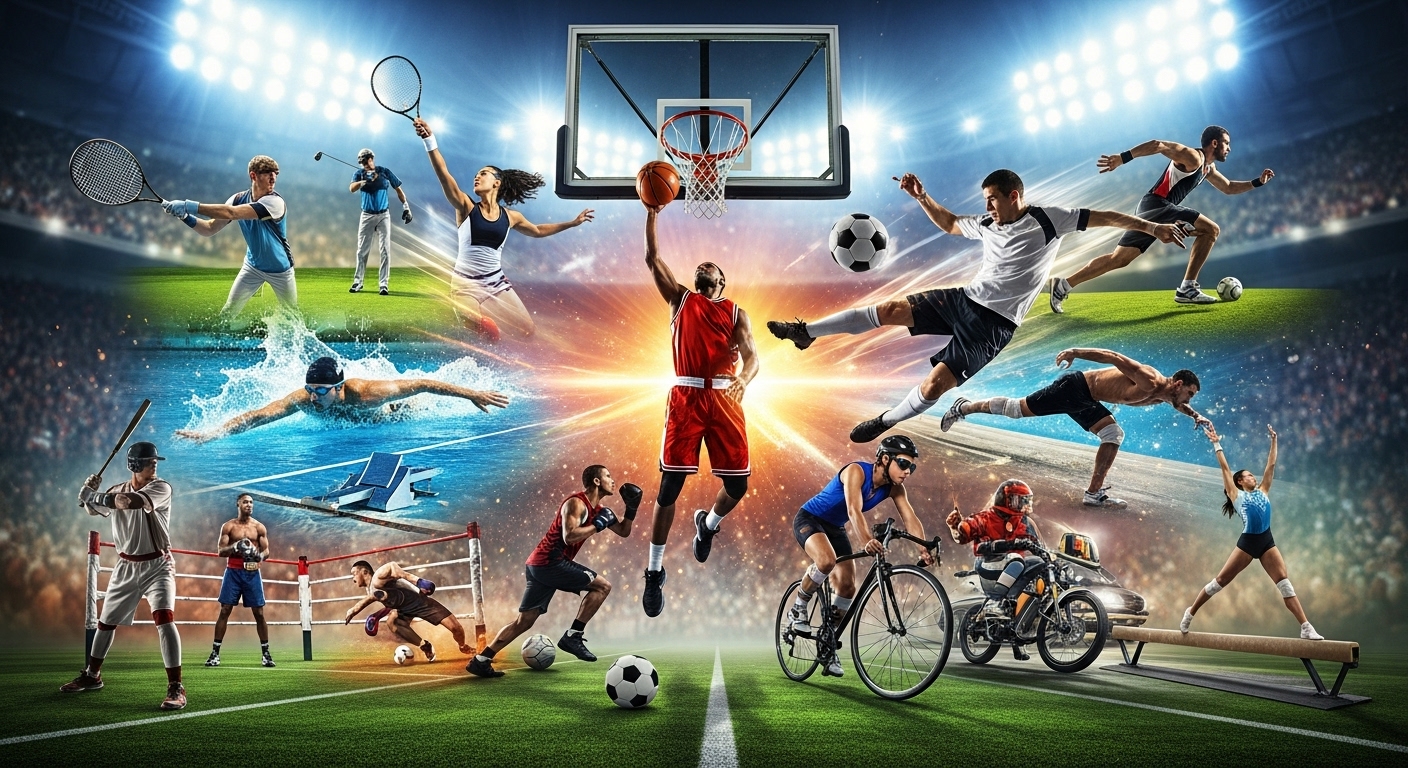
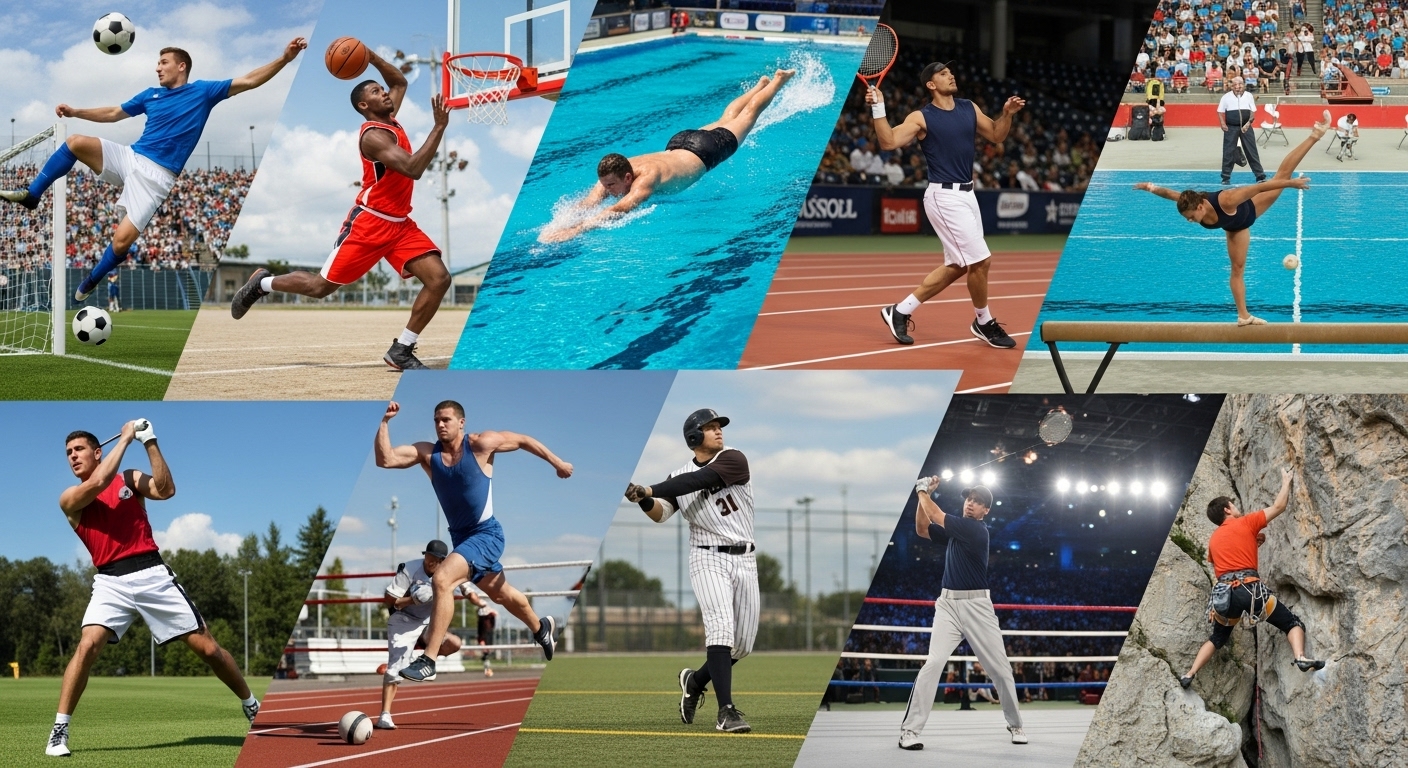
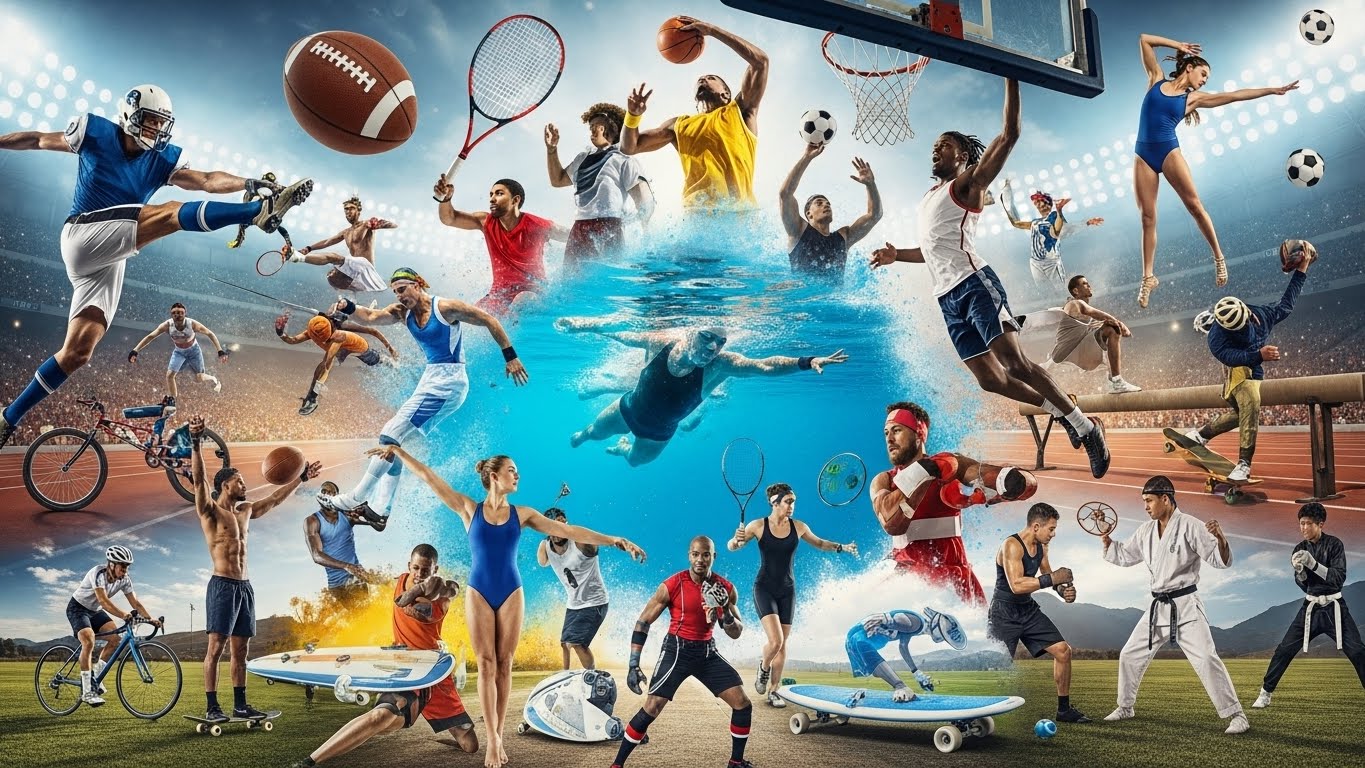
Sports have always been more than a source of entertainment. From dusty playgrounds to world-class stadiums filled with roaring crowds, sports reflect the emotions, struggles, and aspirations of society itself. They unite people across languages, cultures, and generations, offering a shared experience that goes beyond winning or losing. At their core, sports are about effort, discipline, passion, and the human desire to push limits. This blog explores how sports influence personal growth, cultural identity, social unity, and the future of modern life.
The Historical Roots of Sports
The origins of sports can be traced back to ancient civilizations where physical competition was closely linked with survival, ritual, and honor. Ancient Greeks celebrated athletic excellence through the Olympic Games, while traditional forms of wrestling, archery, and racing existed in Asia, Africa, and the Middle East long before modern rules were written. These early sports were not merely recreational activities; they were symbols of strength, preparation for war, and expressions of cultural values. Over time, these activities evolved into organized sports with standardized rules, yet their foundational purpose of testing human ability remains unchanged.
Sports as a Tool for Personal Development
Participation in sports plays a vital role in shaping character. Athletes learn discipline through regular training, patience through gradual improvement, and resilience through defeat. Losing a match often teaches more than winning ever could, as it encourages self-reflection and determination. Sports instill qualities such as teamwork, leadership, and respect for opponents, which extend far beyond the playing field. For young people especially, sports provide a structured environment where energy is channeled positively, helping to build confidence and a strong sense of self-worth.
Physical and Mental Health Benefits
One of the most significant contributions of sports is the promotion of physical and mental well-being. Regular physical activity strengthens the heart, improves endurance, and reduces the risk of lifestyle-related diseases. Beyond physical fitness, sports play a powerful role in mental health by reducing stress, anxiety, and depression. The sense of achievement after a good performance, combined with social interaction, releases positive emotions that enhance overall quality of life. In an age dominated by screens and sedentary habits, sports offer a necessary balance that keeps both body and mind active.
The Power of Teamwork and Unity
Team sports, in particular, highlight the importance of cooperation and trust. Success depends not on individual talent alone but on how well players work together toward a common goal. This shared responsibility teaches individuals to value others’ strengths and support weaknesses. On a larger scale, sports unite communities and even nations. Major sporting events bring people together, creating moments of collective joy and pride. Regardless of background or belief, fans celebrate victories and mourn losses as one, demonstrating the unifying power of sports.
Sports and Cultural Identity
Sports often serve as a reflection of cultural identity. Certain games are deeply tied to national pride and tradition, becoming symbols of heritage and resilience. Through sports, cultures tell their stories to the world, showcasing values such as courage, perseverance, and fair play. Athletes frequently become cultural ambassadors, inspiring millions and shaping how nations are perceived globally. Traditional sports also help preserve history, passing down customs and values from one generation to the next.
Economic and Social Impact of Sports
The influence of sports extends into economic and social spheres. Professional sports generate employment, support local businesses, and contribute significantly to national economies. Stadiums, tournaments, and sporting industries create opportunities for growth and innovation. Socially, sports can drive positive change by promoting inclusion and equality. Initiatives that encourage participation regardless of gender, ability, or background help break down barriers and foster social harmony. Sports have the unique ability to bring marginalized voices into the spotlight and inspire conversations about fairness and opportunity.
The Role of Sportsmanship and Ethics
True sportsmanship lies at the heart of meaningful competition. Respect for rules, opponents, and officials ensures that sports remain fair and honorable. Ethical behavior teaches athletes and fans alike that integrity matters more than victory. Moments of honesty, such as admitting a mistake or applauding an opponent’s excellence, leave a lasting impression. In a world often driven by results, sportsmanship reminds us that how the game is played is just as important as the final score.
Media, Technology, and Modern Sports
The modern era has transformed sports through media and technology. Instant replays, performance analytics, and advanced training methods have elevated the level of competition. Media coverage has turned athletes into global icons, allowing fans to follow their heroes closely. While this visibility brings opportunities, it also places pressure on athletes to perform consistently. Technology continues to reshape how sports are played, watched, and understood, making them more accessible while raising new questions about balance and fairness.
Grassroots Sports and the Future Generation
Grassroots sports form the foundation of the sporting world. Community programs and school competitions nurture talent and instill a love for physical activity from an early age. These initiatives are essential for identifying future stars and promoting healthy lifestyles. More importantly, grassroots sports teach values of participation and enjoyment rather than focusing solely on results. Investing in youth sports ensures that future generations grow up with strong bodies, confident minds, and a sense of belonging.
Women in Sports: Breaking Barriers
The rise of women in sports marks one of the most significant cultural shifts in recent history. Female athletes continue to challenge stereotypes, proving that strength, skill, and determination know no gender. Increased visibility and support for women’s sports inspire young girls to pursue their passions without fear. While challenges remain, progress in this area highlights how sports can lead social change and promote equality through action rather than words.
Sports as a Source of Inspiration
Stories of athletes overcoming adversity resonate deeply with audiences. From recovering after injuries to rising above personal hardships, these journeys inspire people to face their own challenges with courage. Sports remind us that success is rarely immediate and that persistence often defines greatness. These narratives transcend the game itself, offering life lessons that motivate individuals in all walks of life.
Conclusion: The Lasting Legacy of Sports
Sports are woven into the fabric of human society. They entertain, educate, and inspire, offering lessons that extend far beyond the field. Through competition, individuals discover their strengths, communities find unity, and cultures express identity. As the world continues to evolve, sports will remain a powerful force that brings people together, encourages healthy living, and celebrates the enduring spirit of humanity. Beyond the scoreboard and trophies, the true value of sports lies in their ability to shape better individuals and stronger societies.