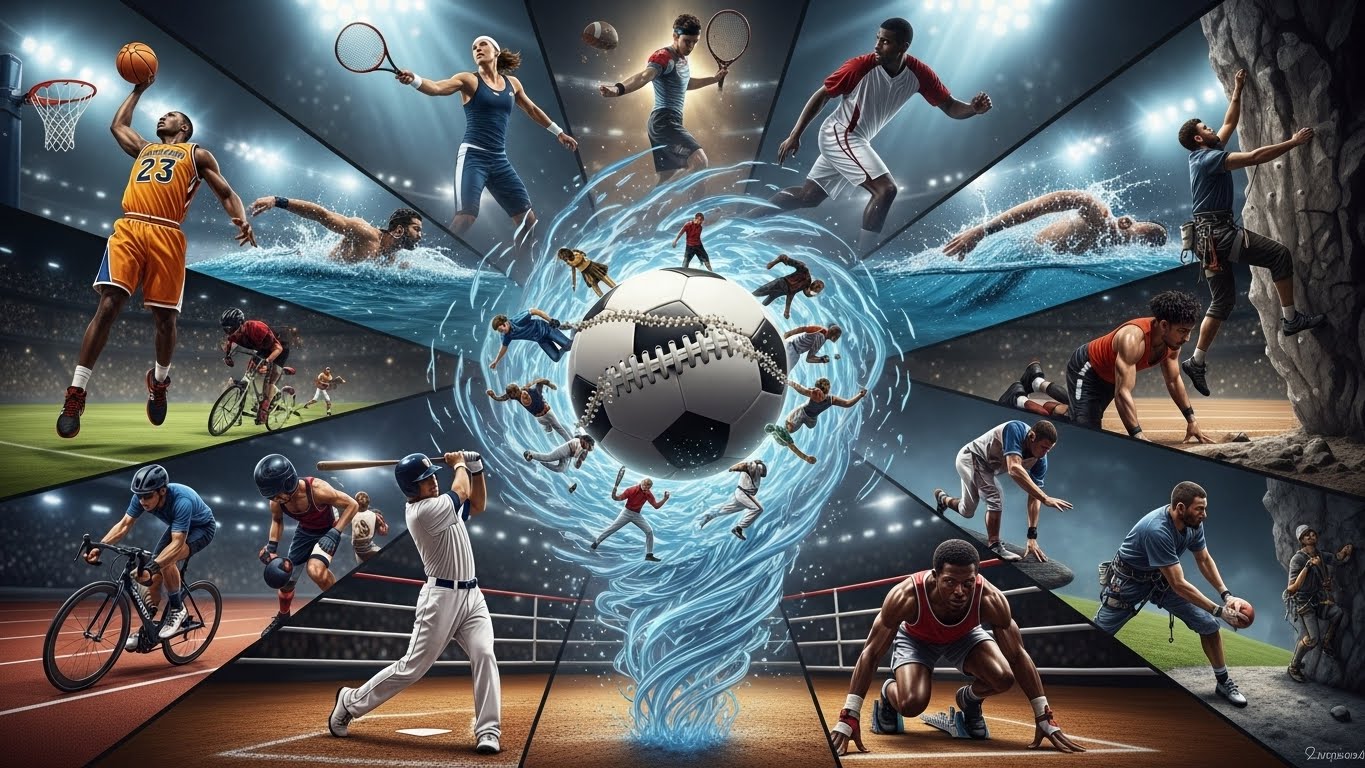

Sports have long been a cornerstone of human culture, spanning centuries and generations, offering not just entertainment but a medium for growth, understanding, and transformation. Whether it’s the global excitement of the World Cup, the intensity of the NBA playoffs, or the dedication of an individual training for a marathon, sports impact individuals and communities in profound ways. The magic of sports lies not only in the competition but in the way it unites people, shapes futures, and fosters personal and societal change. In this post, we explore the many facets of the sporting world, from its power to bring people together, its influence on health and personal development, to its significant role in global economies and social change.
The Global Unifier: How Sports Break Barriers
Sports are more than just games. They are a powerful force for global unity. Across the world, people from diverse cultures and backgrounds come together to witness, play, and celebrate sports. Unlike many other forms of entertainment, sports have a universal appeal, cutting across cultural, language, and geographic barriers. The language of sports is understood by all, whether it’s a goal scored, a touchdown made, or a point won in tennis.
International events like the Olympic Games and the FIFA World Cup bring together nations that may not always see eye to eye politically or socially, yet for a brief moment, the world becomes united under the banner of sport. People, irrespective of their nationalities, cheer for their teams and athletes, creating a bond that transcends the political divides. These events are powerful reminders of our shared humanity, with competition often giving way to camaraderie and respect for one another.
On a local level, sports can also serve as a tool for social cohesion. From neighborhood soccer games to community marathons, sports offer people the opportunity to meet, collaborate, and forge relationships. Whether it’s forming a local basketball team or joining a running club, sports allow individuals to connect with others, often forming lifelong friendships and networks that would not have existed otherwise.
Sports as a Personal Development Tool
Beyond the unifying power of sports, there is a significant impact on individual development. The personal benefits that come from participating in sports are numerous, far-reaching, and invaluable. From the discipline of regular training to the resilience needed to bounce back from defeat, sports teach life lessons that stay with athletes long after the final whistle blows.
Building Discipline and Focus
Participation in sports demands a level of discipline that is hard to match in any other area of life. To excel, athletes must commit to a strict training regimen, manage their time efficiently, and make sacrifices. This level of dedication builds a sense of responsibility and work ethic that transcends the sports arena and applies to many aspects of life. The focus required to perfect a skill or strategy in a sport teaches individuals how to set and achieve goals, how to stay focused even during challenging times, and how to push through obstacles.
This dedication often carries over into professional and academic environments. Individuals who have learned to stay disciplined through sports often find it easier to maintain focus in their careers, schoolwork, and other life pursuits. It’s no surprise that athletes tend to excel in environments that require dedication and focus.
Developing Resilience and Mental Toughness
Resilience is perhaps one of the most valuable skills an athlete can develop. In sports, there are inevitable moments of disappointment and setbacks—whether it’s losing a match, missing a key shot, or dealing with an injury. Learning how to bounce back from these moments, maintain a positive attitude, and keep striving toward improvement is an essential part of sports.
This mental toughness, born out of facing adversity, is transferable to everyday life. Whether facing personal challenges, career setbacks, or financial struggles, the ability to keep moving forward, learn from mistakes, and remain resilient is a skill that sports help nurture. For many athletes, their greatest achievements are often born from moments of failure, where they learned valuable lessons about persistence, determination, and self-belief.
Teamwork and Collaboration
Many sports are team-based, and these offer valuable lessons in teamwork. Being part of a team teaches individuals how to communicate, collaborate, and support one another toward a common goal. Team sports like football, basketball, and volleyball require players to work together in perfect harmony, each player contributing their unique skills to the group effort.
This lesson in collaboration is vital in the modern workplace and in other areas of life. Understanding the importance of teamwork can lead to more harmonious relationships and a greater sense of shared responsibility. Whether in a corporate setting or a social environment, the ability to work together with others is a skill that sports help cultivate.
The Health Benefits of Sports: More Than Just Physical Fitness
While the physical benefits of sports are well-known, the mental health advantages are just as significant. Sports provide an outlet for physical activity, which is essential for maintaining overall health and preventing various diseases. Regular exercise through sports can lead to improved cardiovascular health, better muscle strength, and enhanced endurance. For children and teenagers, active participation in sports fosters proper physical development, helping them grow stronger, leaner, and more agile.
Physical Health and Fitness
The most obvious benefit of engaging in sports is the physical health it promotes. Regular participation in sports helps combat a wide range of health issues, including obesity, high blood pressure, and diabetes. Through cardiovascular exercise, such as running, cycling, or swimming, individuals can improve their heart health and boost their immune system.
For adults, regular sports activity can improve flexibility, balance, and coordination, which becomes more important as we age. In addition to improving physical health, sports also provide a natural way to manage weight and maintain a healthy body composition.
Mental Health: The Stress-Relief Power of Sports
Beyond physical fitness, sports have a profound impact on mental health. Physical activity triggers the release of endorphins, known as the “feel-good” hormones, which help reduce stress, anxiety, and depression. In today’s fast-paced world, where stress is prevalent, sports offer a necessary escape. Engaging in physical activity provides individuals with an opportunity to clear their minds, focus on the task at hand, and experience the joy of movement.
For individuals struggling with mental health challenges, sports can serve as a therapeutic outlet. Whether it’s through the camaraderie of a team or the meditative rhythm of running or swimming, many people find that sports provide relief from the pressures of daily life. The sense of achievement that comes from improving one’s performance can also foster a sense of self-worth and boost confidence.
The Economic Power of Sports: A Multi-Billion Dollar Industry
Sports are not only an essential cultural and social activity—they are also a massive economic force. The global sports industry generates billions of dollars annually, impacting everything from merchandise sales to broadcasting rights and tourism. Sports create jobs, stimulate economies, and offer countless business opportunities for entrepreneurs and corporations alike.
Job Creation and Economic Impact
The sports industry provides employment for millions of people worldwide, including athletes, coaches, event organizers, broadcasters, and support staff. Stadiums, sports bars, fitness centers, and training facilities are just a few of the businesses that directly benefit from sports events. Additionally, sporting events often boost the local economy by attracting tourists who spend money on accommodations, food, and entertainment.
Mega-events like the Olympic Games or the World Cup can have an especially significant economic impact. Cities and countries that host these events see a surge in tourism, hospitality, and infrastructure development. The media rights for global sporting events also represent a massive source of revenue, with major broadcasters paying billions for the privilege of broadcasting events like the FIFA World Cup, the Olympics, or the Super Bowl.
Sponsorship and Advertising
Sports sponsorships are another key component of the industry’s economic power. Companies across various sectors—ranging from apparel brands to car manufacturers—partner with sports organizations and athletes to gain brand visibility. These sponsorships provide significant funding for sports teams and events, while also offering companies a platform to reach millions of fans worldwide.
High-profile athletes often become global ambassadors for brands, further increasing the economic impact of sports. The financial success of sponsorships and endorsements is also a testament to the global reach and influence that sports have in the business world.
Sports as a Vehicle for Social Change
While sports are often celebrated for their entertainment value and economic impact, their role as agents of social change cannot be underestimated. Over the years, athletes have used their platform to advocate for social justice, equality, and human rights.
Challenging Social Norms and Raising Awareness
Athletes have long been at the forefront of advocating for social change. From Muhammad Ali’s stand against the Vietnam War to the Black Lives Matter protests in the NFL, sports have provided a stage for athletes to voice their opinions on pressing social issues. These acts of activism have sparked important conversations around race, gender, and politics, bringing attention to issues that may have otherwise been overlooked.
Women’s sports have also played a significant role in advancing gender equality. Title IX, for example, has been instrumental in providing women with the opportunity to participate in collegiate sports. Female athletes like Serena Williams, Billie Jean King, and Megan Rapinoe have not only dominated their sports but have also used their success to challenge gender stereotypes and fight for equal pay and opportunities for women in sports.
Conclusion: The Enduring Legacy of Sports
Sports are more than just a pastime; they are a powerful force for good, offering opportunities for personal growth, uniting people across the globe, boosting economies, and addressing societal issues. The lessons learned from sports—resilience, discipline, teamwork—are valuable tools that shape individuals and communities for the better. As we continue to embrace the world of sports, its impact will only grow, leaving an enduring legacy that will inspire future generations to dream big, work hard, and make a positive difference in the world.