Sports are much more than games played for trophies, medals, or records. They are a language understood by all, transcending barriers of race, religion, and nationality. From the streets of Rio de Janeiro to the fields of Africa and the arenas of Europe, sports create moments that bring humanity together. The power of sports lies in its universality — it connects people emotionally, socially, and culturally. Whether one is an athlete, a fan, or a casual observer, sports have the remarkable ability to evoke passion, pride, and unity.
This blog explores the essence of sports in society, the values they inspire, their influence on youth, their economic and cultural impact, and how they have evolved into one of the most powerful forces in the modern world.
The Universal Appeal of Sports
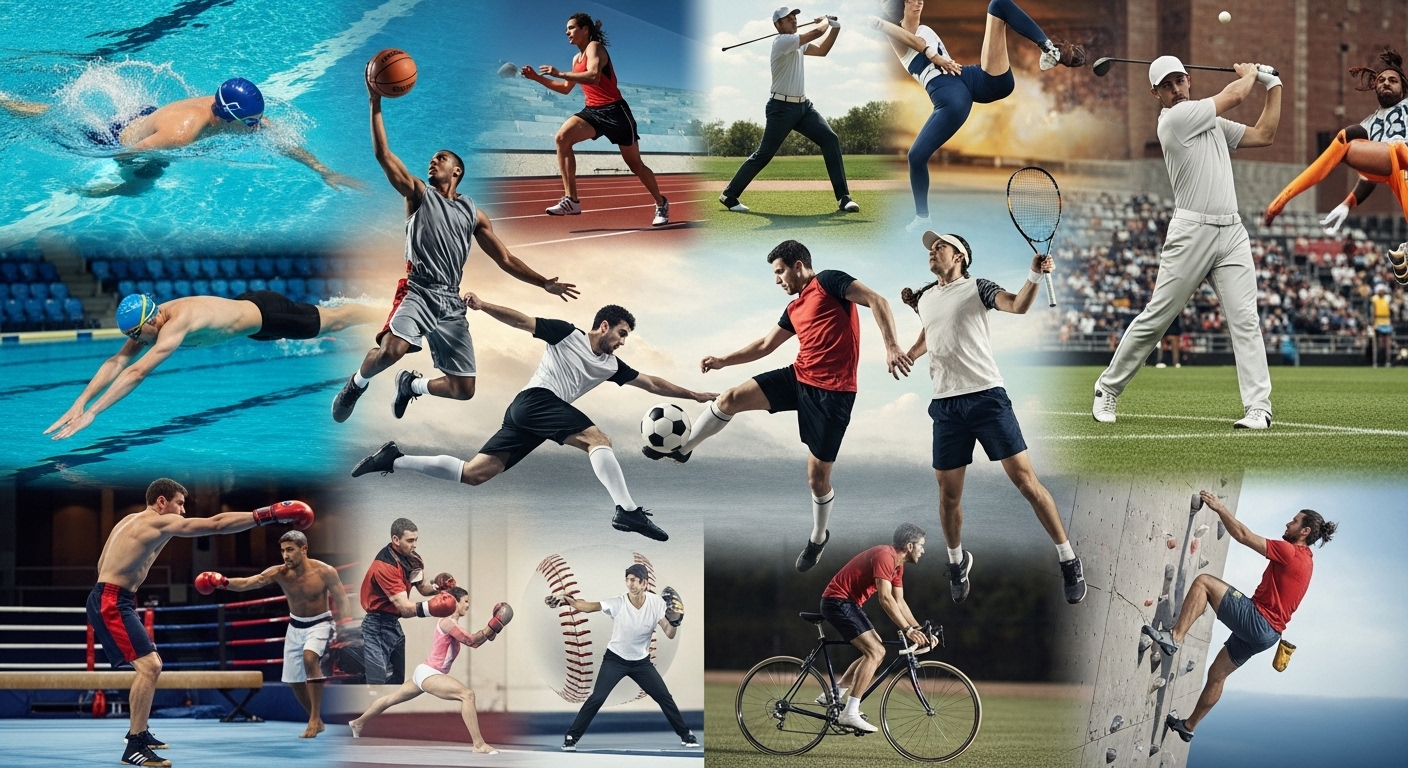
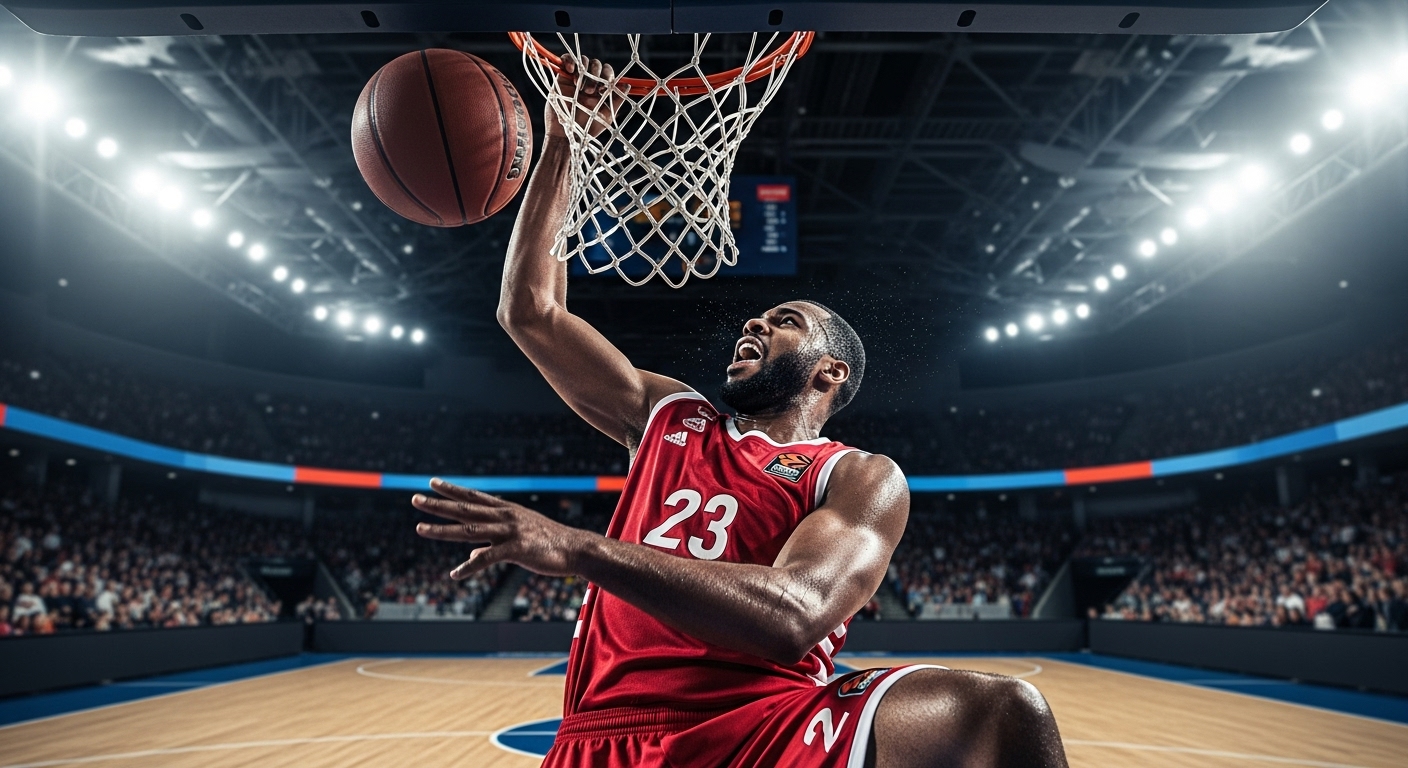
Sports are a form of human expression that everyone can relate to. No matter the country or language, the rules of most games are easy to understand, and the excitement they bring is shared universally. A goal in soccer, a home run in baseball, a knockout in boxing, or a slam dunk in basketball — these moments create instant emotions that unite millions.
The beauty of sports lies in their simplicity. You don’t need to be rich to play; you only need the desire and spirit to compete. This accessibility is why children in every part of the world grow up playing some kind of sport. It’s a bond that ties generations together, forming lifelong memories and connections.
The Role of Sports in Society
Sports hold a special place in every society. They are not just recreational activities but also a reflection of social values, teamwork, and determination. They inspire individuals to push their limits and encourage communities to unite for a common cause.
From local school competitions to global events like the Olympics and FIFA World Cup, sports bring people together in ways that politics and economics often fail to do. These events remind the world that despite differences, everyone shares the same human spirit of perseverance and ambition.
Sports also play a role in shaping social identity. Fans associate themselves with their favorite teams or athletes, and this shared enthusiasm becomes part of their community. Cities and nations gain pride from the achievements of their athletes, who often become cultural ambassadors on the world stage.
The Emotional Power of Competition
Competition is at the heart of all sports. It fuels passion, drives progress, and creates stories of triumph and heartbreak. The emotions that come with victory and defeat are deeply human experiences that resonate far beyond the playing field.
When an underdog defeats a champion or when an athlete breaks a long-standing record, it’s not just a personal achievement — it becomes a symbol of hope and inspiration for others. The emotional connection between athletes and fans is one of the most powerful forces in the world.
Sports also teach resilience. Every loss carries a lesson, and every victory demands hard work. Athletes learn to embrace discipline, patience, and dedication — values that apply not only in sports but in all aspects of life.
Sports as a Cultural Bridge
Sports have always been a bridge between cultures. They allow nations to interact peacefully, exchange traditions, and learn from one another. When countries compete in international tournaments, they also showcase their identity, heritage, and pride.
Events like the Olympics symbolize this unity. Athletes from all over the world gather under one banner, celebrating diversity through fair competition. It is a reminder that even though people come from different backgrounds, they share the same dreams and emotions.
Moreover, sports often serve as platforms for diplomacy. History has shown that sporting events can ease political tensions and promote understanding between nations. Examples include “ping pong diplomacy” between the United States and China or the unified Korean teams at international competitions.
The Impact of Sports on Youth
For young people, sports are one of the most effective tools for personal growth. They teach discipline, teamwork, leadership, and the importance of physical fitness. Through sports, children learn how to handle success and failure gracefully — lessons that shape their character for life.
Schools and communities that encourage sports participation create environments that promote confidence and resilience. In many underprivileged areas, sports offer opportunities for children to dream beyond their circumstances. Many world-famous athletes started with nothing but passion and a ball. Their stories inspire millions of young people to believe in themselves.
Sports also play a crucial role in keeping youth away from negative influences. By providing structure and purpose, they teach responsibility and time management, fostering a positive mindset that benefits education and personal development.
The Economic Impact of Sports
Sports are not only a source of entertainment but also a major economic driver. The global sports industry is worth billions of dollars, creating employment opportunities in various sectors such as media, marketing, tourism, and manufacturing.
Stadiums, sports apparel brands, broadcasting rights, and sponsorships contribute significantly to local and national economies. Hosting major sporting events often boosts tourism and infrastructure development, leaving long-term benefits for the host cities.
Athletes themselves become global brands, signing endorsements and attracting sponsorships that influence consumer trends. The popularity of sports merchandise — from jerseys to collectibles — demonstrates how deeply fans connect with their favorite teams and players.
The rise of digital technology has further expanded the sports economy. Online streaming, esports, fantasy leagues, and sports analytics have introduced new markets, attracting millions of viewers and investors worldwide.
The Role of Technology in Modern Sports
Technology has revolutionized the world of sports in every possible way. From training methods to fan engagement, innovation has made sports more efficient, accurate, and entertaining.
Athletes now use wearable devices to track performance, monitor health, and prevent injuries. Coaches rely on data analytics to improve strategies, while referees use advanced systems like VAR and goal-line technology to ensure fairness in competition.
For fans, technology has transformed the experience of watching sports. Live streaming, augmented reality, and interactive platforms allow audiences to connect with games from anywhere in the world. Social media enables fans to follow their favorite athletes closely, creating a more personal bond.
Moreover, the growth of esports — competitive gaming — has shown that sports are no longer confined to physical arenas. Virtual competitions attract millions of participants and viewers, blurring the line between technology and athleticism.
Sports as a Tool for Social Change
Sports have always had the power to influence society positively. They provide a voice to marginalized communities and create awareness about social issues. Athletes often use their platforms to advocate for equality, justice, and inclusion.
Throughout history, sports figures have stood against discrimination and promoted unity. Icons like Muhammad Ali, Billie Jean King, and Nelson Mandela recognized sports as a means to drive change and inspire generations.
Modern athletes continue this legacy by speaking out on issues such as racism, gender equality, and mental health. Sports organizations around the world are also implementing initiatives to promote inclusivity and accessibility for all.
The Role of Sports in Mental and Physical Health
Beyond competition and entertainment, sports contribute significantly to physical and mental well-being. Regular participation in sports helps maintain fitness, reduces the risk of diseases, and enhances overall quality of life.
Physical activity releases endorphins, which reduce stress and anxiety, improving mental health. For many, playing sports is a form of therapy — a way to escape daily pressures and find balance.
Team sports foster social connections and provide a sense of belonging. They help individuals build communication skills, trust, and empathy. For older adults, staying active through sports also improves cognitive function and longevity.
The Evolution of Sports Media
The way people consume sports has changed dramatically over the decades. Once limited to radio broadcasts and newspaper reports, sports coverage is now a 24/7 global phenomenon. Television brought live matches into homes, and the internet made sports accessible to anyone with a device.
Today, social media plays a massive role in shaping sports culture. Highlights, interviews, and fan interactions circulate instantly, making athletes more connected to their audience than ever before. The rise of digital storytelling has also allowed fans to experience sports beyond the field — understanding the personal journeys and struggles of athletes.
This evolution has made sports not just an event to watch, but a continuous narrative that fans can engage with throughout the year.
Sports and Globalization
Sports have played a crucial role in globalization. Major leagues attract international talent, while fans from every corner of the world follow teams that may not even be from their own countries. Soccer clubs like Real Madrid and Manchester United, or basketball teams like the Los Angeles Lakers, have supporters across continents.
This global following fosters cultural exchange. Fans adopt traditions, chants, and celebrations from other countries, blending global and local cultures into one sporting identity.
International tournaments also contribute to diplomacy and tourism. They encourage travel, intercultural communication, and mutual respect among different societies. Sports truly make the world smaller and more connected.
The Future of Sports
The future of sports promises even more exciting transformations. Advancements in artificial intelligence, biotechnology, and virtual reality are expected to redefine how athletes train and how fans experience the games.
Sustainability will also play a larger role, as organizations focus on reducing carbon footprints and promoting eco-friendly practices in event management. Meanwhile, inclusivity and gender equality will continue to shape the evolution of sports at every level.
Esports will further integrate with traditional sports, and the lines between physical and digital competition will continue to blur. The future will be defined by innovation, accessibility, and global participation.
Conclusion: The Unifying Spirit of Sports
Sports are one of humanity’s greatest achievements. They capture the essence of our shared existence — the desire to strive, compete, and celebrate. Whether it’s a child playing in a small park or a professional athlete performing on the world stage, the spirit remains the same: passion, dedication, and unity.
Sports remind us that, despite all our differences, we are capable of coming together for something bigger than ourselves. They teach us to respect one another, to value effort over outcome, and to appreciate the beauty of teamwork.
In a world often divided by politics, economics, and ideology, sports stand as a universal bridge — a reminder that, at the heart of it all, we are all playing on the same team called humanity.