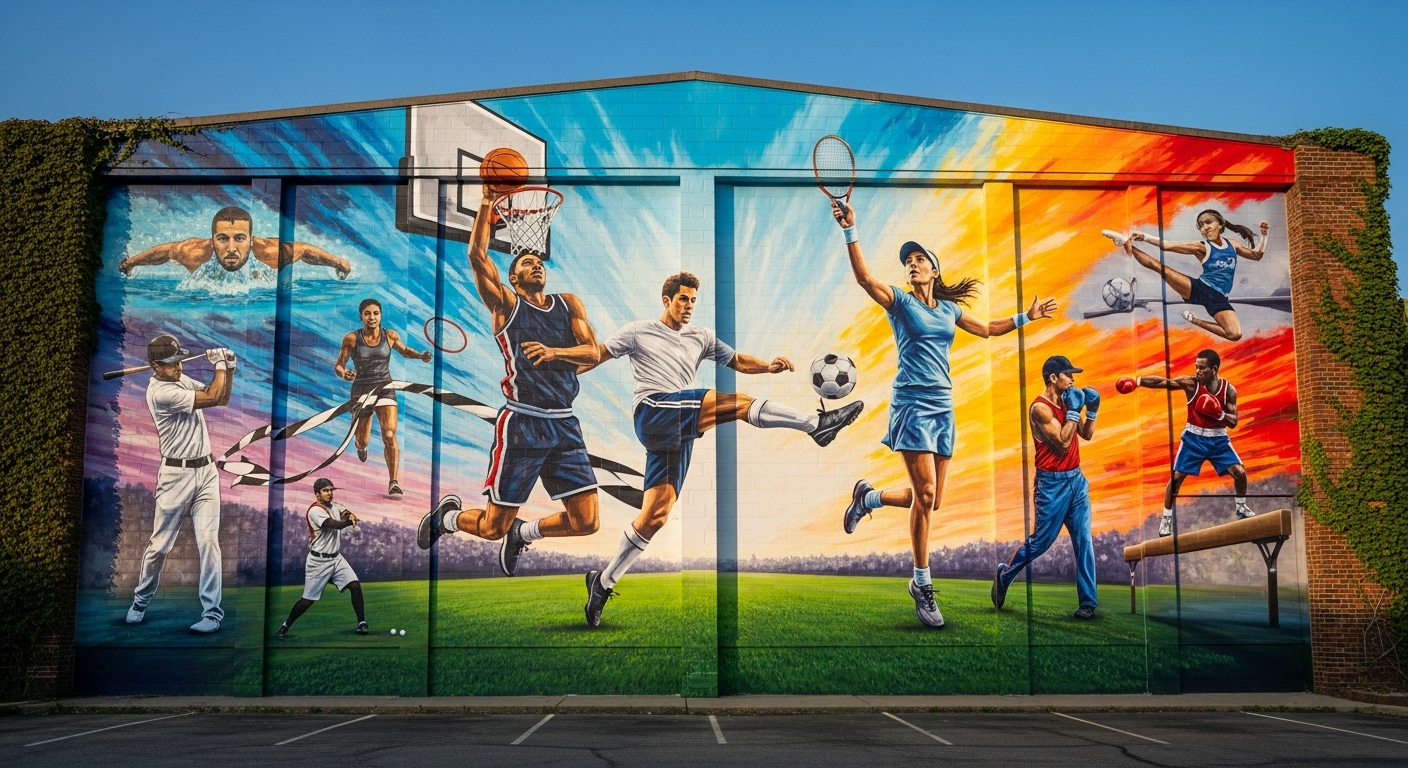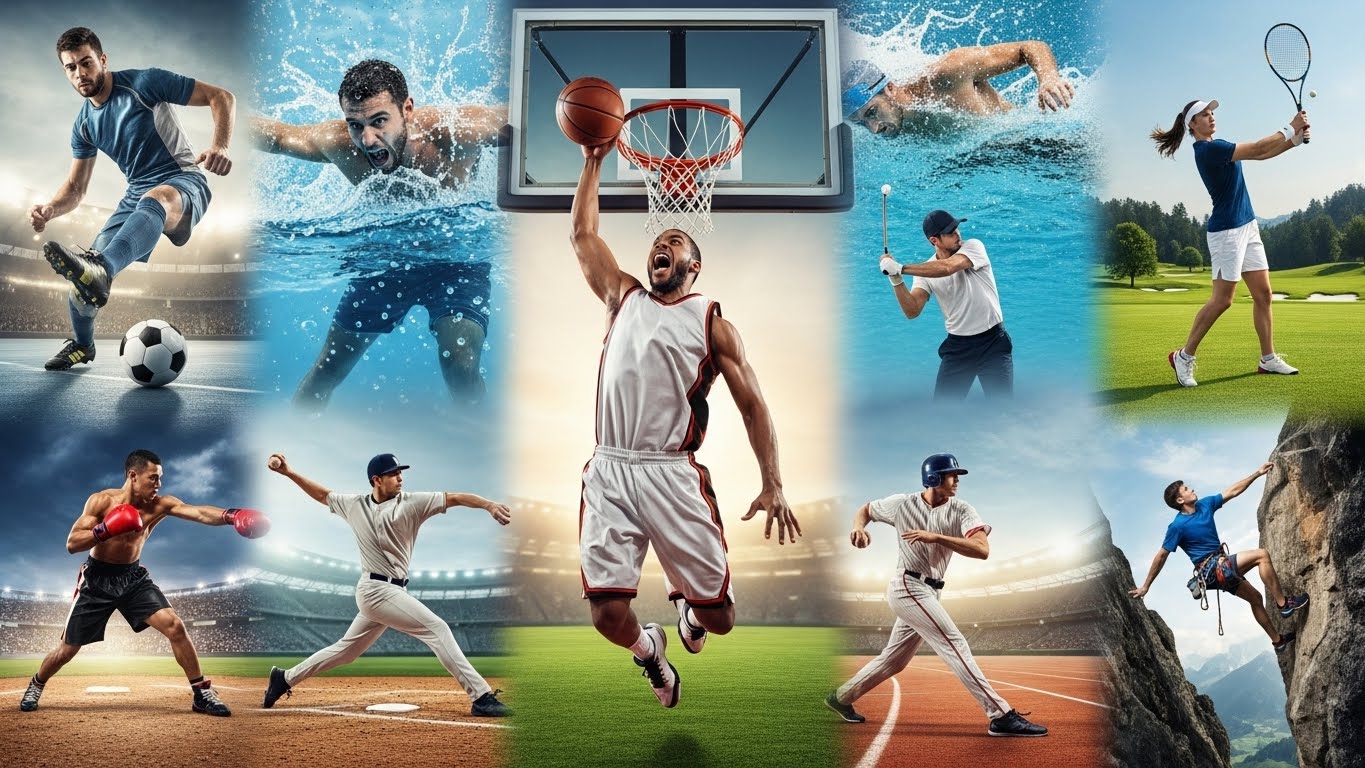
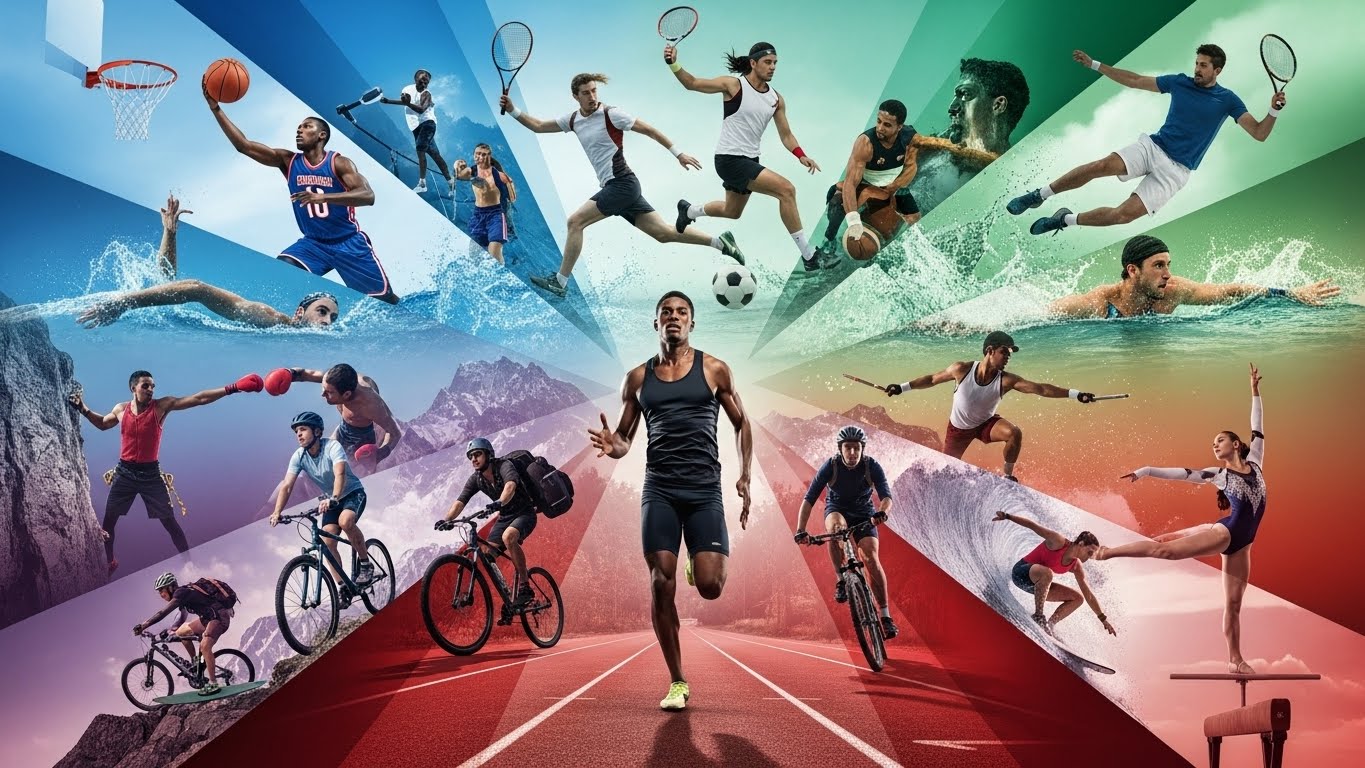
Sports have been an integral part of human society for centuries. From ancient Olympic games to modern-day professional leagues, sports are more than just a form of entertainment; they embody culture, community, discipline, and personal growth. The influence of sports extends beyond the playing field, shaping lives in ways that are both tangible and intangible. This article delves into the multifaceted impact of sports, exploring their physical, psychological, social, and cultural dimensions.
The Physical Benefits of Sports
One of the most obvious advantages of engaging in sports is the improvement of physical health. Regular participation in sports enhances cardiovascular fitness, strengthens muscles, improves flexibility, and boosts overall stamina. Physical activity reduces the risk of chronic diseases such as obesity, diabetes, and heart disease. Athletes, whether professional or amateur, often enjoy stronger immune systems and better metabolic health due to consistent physical exertion.
Sports also play a crucial role in developing motor skills, coordination, and reflexes. Activities such as swimming, gymnastics, and martial arts require precise body movements, which enhance neuromuscular control. For children and adolescents, these skills form the foundation for future physical competence and encourage lifelong active habits.
Psychological and Mental Health Benefits
The impact of sports is not limited to physical health. Mental well-being is equally affected by regular engagement in sports. Exercise triggers the release of endorphins, often referred to as the “feel-good hormones,” which help alleviate stress, anxiety, and depression. Athletes frequently report higher levels of confidence, self-esteem, and emotional resilience compared to non-athletes.
Team sports, in particular, foster collaboration, communication, and leadership skills. The pressures of competition teach individuals to manage stress, set realistic goals, and cope with both success and failure. Even in individual sports, such as tennis or running, athletes develop discipline, perseverance, and a strong sense of self-motivation. These mental skills often translate into other areas of life, including academics, careers, and personal relationships.
Sports as a Social Connector
Sports have a unique ability to unite people across age, gender, and cultural backgrounds. Stadiums, arenas, and local sports fields become communal spaces where individuals gather to share experiences, celebrate victories, and console defeats. This sense of community fosters social cohesion and belonging, which are essential for a healthy society.
Participating in sports also nurtures empathy and teamwork. Players learn to cooperate, trust one another, and respect diverse perspectives. Whether it is a youth soccer team or an adult basketball league, the bonds formed on the field often extend beyond the game, creating lifelong friendships. Moreover, sports can break down social barriers, promoting inclusivity and understanding across different communities.
Cultural Significance of Sports
Sports are deeply embedded in culture and tradition. From ancient wrestling matches in Greece to cricket in India and baseball in the United States, sports reflect societal values and historical narratives. They often carry symbolic meanings, representing national pride, community identity, and collective memory.
Major international events, such as the Olympics or the World Cup, showcase not only athletic talent but also cultural exchange. Athletes become ambassadors for their countries, and spectators gain insight into diverse customs and traditions. Local sports, too, preserve cultural heritage by promoting traditional games and practices that might otherwise fade into obscurity.
Sports and Personal Development
Engaging in sports teaches invaluable life skills that extend far beyond the playing field. Discipline, time management, and goal-setting are inherent aspects of regular training and competition. Athletes learn to handle pressure, maintain focus, and bounce back from setbacks, cultivating resilience and adaptability.
Sports also encourage ethical behavior and integrity. Fair play, respect for opponents, and adherence to rules are fundamental principles that athletes internalize. These moral lessons often influence personal decision-making and professional conduct, shaping individuals into responsible and principled members of society.
The Evolution of Sports
Over time, sports have evolved significantly in both form and function. Technological advancements have transformed training methods, performance analysis, and spectator experiences. Innovations such as wearable fitness trackers, video analysis tools, and virtual simulations enable athletes to optimize their performance and prevent injuries.
The commercialization of sports has also changed the landscape. Professional leagues, sponsorships, and global media coverage have turned sports into a lucrative industry. While some argue that commercialization undermines the spirit of competition, it has undeniably expanded access to sports, inspired millions of fans, and created opportunities for economic growth.
Sports and Education
Incorporating sports into education offers immense benefits for students. Physical education programs promote healthy lifestyles, reduce sedentary behavior, and improve cognitive functioning. Studies have shown that children who participate in regular physical activity perform better academically and demonstrate enhanced concentration, memory, and problem-solving skills.
Schools and colleges that emphasize sports create a balanced environment where academic and athletic pursuits coexist. This holistic approach nurtures well-rounded individuals who are physically fit, mentally sharp, and socially adept. Additionally, competitive sports at the educational level teach teamwork, leadership, and strategic thinking, preparing students for future challenges in life and career.
Gender and Inclusion in Sports
Historically, sports were predominantly male-dominated, but recent decades have witnessed significant strides toward gender equality and inclusion. Women’s sports are gaining recognition, funding, and fan support across the globe. Female athletes are breaking barriers, challenging stereotypes, and inspiring future generations.
Inclusion also extends to individuals with disabilities. Adaptive sports programs, such as wheelchair basketball and para-athletics, provide opportunities for everyone to experience the joys and benefits of sports. By promoting accessibility and diversity, sports become a platform for social justice, empowerment, and universal participation.
Sports and Technology
Technology has revolutionized the world of sports in unprecedented ways. Advanced training equipment, analytics software, and injury prevention devices have enhanced athlete performance and safety. Virtual reality and augmented reality simulations provide immersive training experiences, while instant replay systems ensure fairness and accuracy in competitions.
Social media platforms have also transformed how fans engage with sports. Audiences can now follow their favorite athletes, teams, and events in real-time, creating a global sports community. Technology has not only improved performance and fan experience but also increased the visibility and reach of sports across the world.
The Future of Sports
The future of sports promises to be dynamic and inclusive. With the integration of artificial intelligence, wearable technology, and sustainable practices, sports will continue to evolve while maintaining their core values of competition, teamwork, and personal growth. The next generation of athletes is likely to benefit from data-driven training, enhanced safety protocols, and greater opportunities for participation across genders and abilities.
Sports will continue to play a pivotal role in society by promoting health, education, culture, and community. They will remain a powerful tool for inspiring individuals, fostering unity, and celebrating the human spirit. As society progresses, sports will adapt, innovate, and thrive, reminding us that the essence of competition and play is timeless.
Conclusion
Sports are far more than games; they are a reflection of human ambition, perseverance, and social connection. They shape bodies, minds, and communities, leaving an indelible mark on both individuals and societies. The physical, psychological, social, and cultural benefits of sports make them an indispensable part of life. Whether one is an athlete, a fan, or someone seeking personal growth, sports offer lessons, joy, and opportunities that transcend boundaries. Embracing sports is not just about playing the game—it is about celebrating life itself.