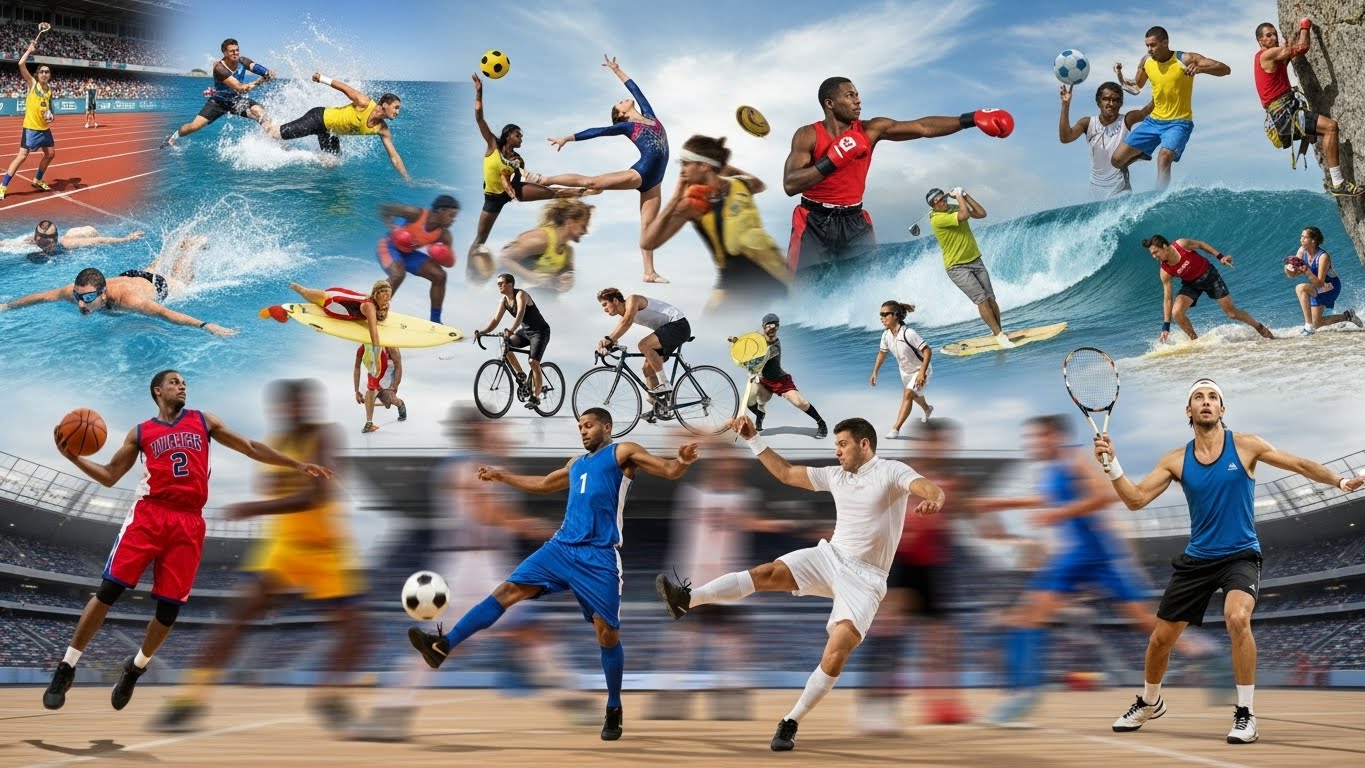

Sports have always been an integral part of human culture, transcending national boundaries and bringing together people from all walks of life. Whether you’re an athlete, a coach, or a fan, sports hold an undeniable power to shape character, build community, and inspire passion. But what is it that makes sports so much more than just a game? This blog explores the deeper impact sports have on individuals and society, and why they remain such a vital force in our lives.
The Unifying Force of Sports
One of the most remarkable aspects of sports is their ability to unite people from diverse backgrounds. Whether it’s a local neighborhood game or a global competition like the Olympics, sports have the unique power to bring together individuals with different cultures, languages, and beliefs. In the stands or on the field, the language of sports is universal, and the emotional bond shared between fans and players is stronger than any differences that may exist.
In fact, many world events, such as the FIFA World Cup, the Super Bowl, or the Cricket World Cup, have proven to be international celebrations where people unite regardless of their social, political, or religious affiliations. The raw emotion, the thrill of competition, and the sense of belonging during these events create a shared experience that fosters connection and understanding.
Sports and Character Building
Sports teach life lessons that go beyond the game itself. Athletes, from amateurs to professionals, are often put through intense physical and mental challenges. Whether it’s overcoming setbacks, dealing with losses, or managing success with humility, the experience of playing sports helps individuals build resilience, discipline, and a strong work ethic.
The journey to success in sports is rarely smooth; it’s filled with obstacles, both external and internal. For athletes, the key is perseverance. They learn to push through exhaustion, failure, and adversity, qualities that serve them well in life outside of sports. In many ways, sports become a training ground for personal growth.
The Health Benefits of Sports
It’s no secret that physical activity is beneficial for health, but sports, in particular, offer a variety of advantages that go beyond just fitness. Engaging in sports helps improve cardiovascular health, builds strength and flexibility, and enhances coordination. But the psychological benefits are equally important.
Playing sports can significantly reduce stress, anxiety, and depression. The release of endorphins during physical exertion creates a sense of well-being, and the social interaction involved in team sports can provide emotional support. For many, participating in sports is not just a way to stay fit, but a way to maintain mental health and achieve balance in their lives.
Sports as a Career Path
In addition to being a form of recreation, sports also offer significant career opportunities. Professional athletes, coaches, trainers, sports journalists, and event organizers all build successful careers around the world of sports. The growing global interest in fitness, sports leagues, and media coverage has opened up countless job opportunities that didn’t exist in the past.
Moreover, the booming eSports industry is creating new career paths for gamers and tech enthusiasts alike. As technology continues to evolve, so too does the scope of career opportunities in the sports world.
The Economic Impact of Sports
Sports have become an economic powerhouse in many countries. From local teams generating income for their communities to international events that drive billions of dollars in revenue, the economic impact of sports is far-reaching. Major sporting events like the World Cup or the Olympic Games bring not only a boost in tourism but also create jobs in hospitality, construction, media, and transportation.
Furthermore, sports leagues and sponsorships contribute significantly to the economy. Big brands often invest heavily in partnerships with athletes and sports teams, creating a mutually beneficial relationship that fuels business growth. This economic dynamism proves how sports can be both a source of entertainment and a significant driver of industry.
The Future of Sports: Innovation and Evolution
As technology advances, so too does the way we experience sports. The rise of virtual reality (VR) and augmented reality (AR) is transforming how fans engage with sports. Imagine attending a game from the comfort of your home but feeling like you’re right there in the stadium, or having a virtual coach guiding your performance as you practice.
Furthermore, innovations in wearable technology, data analytics, and sports medicine continue to improve performance and safety in the world of sports. Athletes can now track their progress in real-time, monitor their health, and optimize their training sessions with precision. These technological advancements are not only making sports more exciting but are also pushing the limits of human potential.
Conclusion
Sports have always been more than just games played on fields or courts. They are a reflection of human spirit, strength, and determination. They foster unity, build character, promote health, and even create economic opportunities. Whether you are playing, watching, or supporting, sports have an unparalleled ability to bring people together, teach valuable life lessons, and inspire greatness.
As we look to the future, sports will continue to evolve and inspire new generations to push beyond their limits. So, the next time you pick up a ball, step onto the field, or cheer from the stands, remember that sports are not just about winning or losing—they’re about life itself.