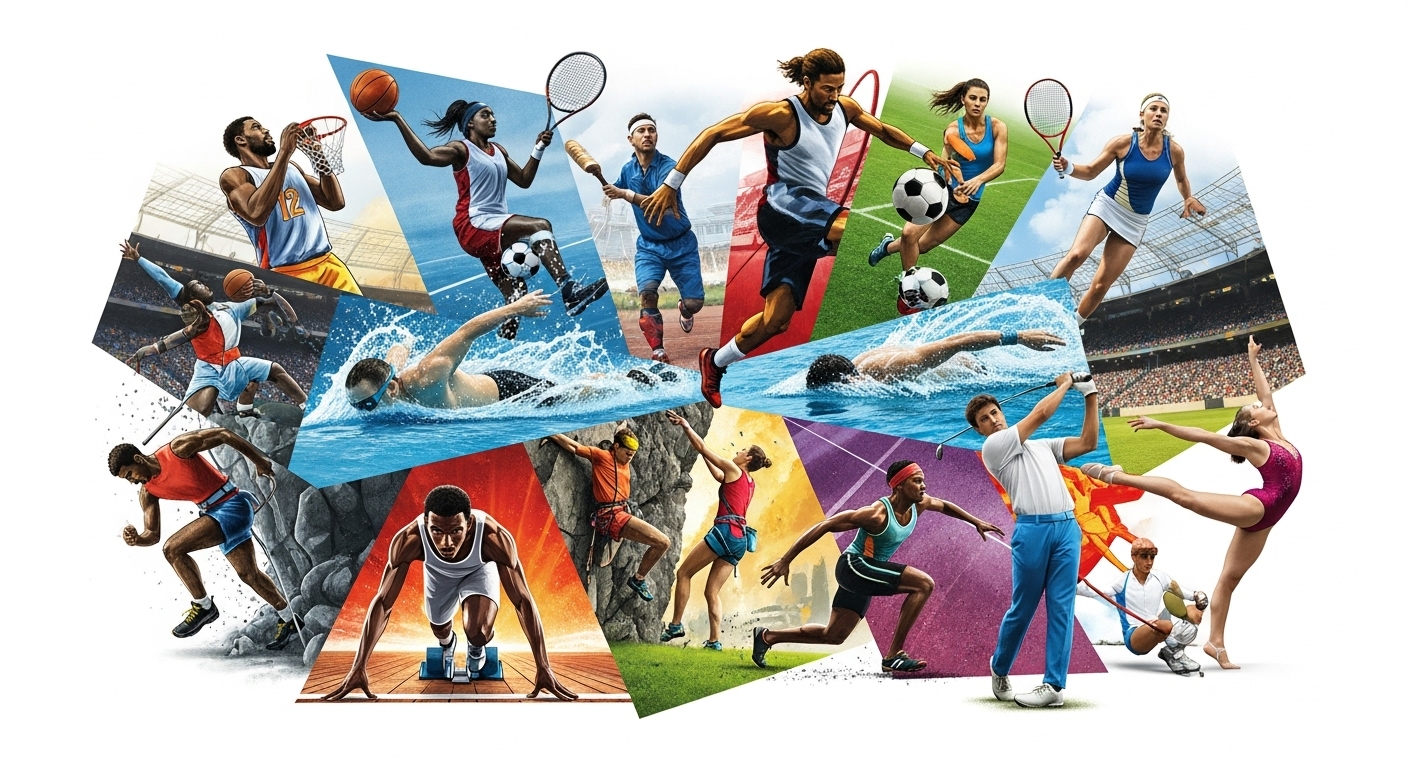

Sports have always held a special place in human culture. From the ancient Olympic Games to the modern-day World Cup, the power of sports transcends borders, unites nations, and has a profound impact on individuals and societies alike. But beyond the thrill of competition, there’s a deeper connection to the physical, mental, and emotional well-being of those who engage in them. In this blog post, we’ll explore how sports shape lives in ways we often overlook.
Sports as a Universal Language
One of the most remarkable things about sports is their ability to bridge gaps between cultures, languages, and backgrounds. Regardless of where you come from or what language you speak, sports offer a common ground for connection. A football game between two rival teams can unite fans from all walks of life, creating a sense of belonging and shared experience. The language of competition, strategy, and celebration is universal.
Sports teach us that, despite our differences, we all seek similar joys and challenges. Whether it’s a basketball court in Chicago or a rugby pitch in New Zealand, athletes and spectators are united by the same fundamental human experience — the pursuit of excellence and the celebration of effort.
Mental and Emotional Benefits of Sports
While physical fitness is often the first benefit people associate with sports, the mental and emotional benefits are just as significant. Regular participation in sports helps to reduce stress, anxiety, and depression. The physical activity triggers the release of endorphins, the “feel-good” hormones, which have a direct impact on improving mood and emotional stability.
Moreover, sports teach resilience. They show us that failure is not the end but a part of the journey. Athletes face setbacks all the time, from losing a game to dealing with injury, but it’s their ability to bounce back and continue pushing forward that defines their character. This resilience translates into everyday life, helping people handle challenges and setbacks in their personal and professional lives.
Teamwork and Leadership Skills
Sports are a playground for learning teamwork and leadership. Whether you’re playing in a soccer team or rowing in a crew, sports teach individuals how to work towards a common goal. Teamwork is essential in achieving success, and this collaborative mindset helps build strong relationships both on and off the field.
For many, sports also provide an early opportunity to develop leadership skills. Being a team captain or taking on a leadership role within a sporting context teaches responsibility, decision-making, and the ability to inspire others. These skills are transferable to a variety of fields, including business, education, and politics.
Physical Health: The Benefits We Can’t Ignore
While mental and emotional benefits are often highlighted, it’s important not to overlook the physical advantages of engaging in sports. Regular physical activity reduces the risk of chronic diseases such as heart disease, diabetes, and obesity. It also improves flexibility, strength, and endurance.
Furthermore, sports offer a fun way to stay active. Many people struggle with traditional exercise routines, but they don’t view playing soccer, swimming, or tennis as “work.” Sports offer an engaging way to exercise, which makes it easier to stick with physical activity in the long term.
Building a Sense of Community
One of the most rewarding aspects of sports is the sense of community it fosters. Whether it’s joining a local volleyball league or cheering for your favorite basketball team, sports bring people together in ways few other activities can. These shared experiences create lasting bonds, friendships, and a sense of belonging that extends far beyond the game itself.
In many cases, sports also give rise to volunteerism and charity efforts, as athletes and fans work together to support local causes. From organizing charity runs to hosting fundraising events for underprivileged youth, sports provide a platform for giving back to the community in meaningful ways.
Conclusion: More Than Just a Game
Sports have an undeniable impact on individuals, communities, and societies. They go far beyond the field, court, or arena, teaching valuable lessons about resilience, teamwork, leadership, and health. Whether you’re an athlete or a spectator, the benefits of sports are clear, shaping lives in ways that extend well beyond the competition. So next time you pick up a ball or cheer from the sidelines, remember: it’s not just a game, it’s a path to personal growth, connection, and transformation.