
Sports have been an integral part of human society for centuries, serving as a platform for competition, entertainment, and social cohesion. Across cultures, sports are not merely games but a reflection of values, traditions, and aspirations. From the Olympic Games of ancient Greece to the modern spectacles of the FIFA World Cup and NBA Finals, sports have captured the imagination of millions worldwide. Beyond the thrill of victory or the agony of defeat, sports embody resilience, teamwork, discipline, and the pursuit of excellence.
At its core, sports offer a unique blend of physical prowess and mental fortitude. Athletes dedicate years to honing their skills, often sacrificing comfort and leisure to achieve mastery. Whether it is the swift footwork of a soccer player, the precise aim of an archer, or the endurance of a marathon runner, every sport demands a unique combination of talent, training, and dedication. These qualities resonate far beyond the playing field, inspiring spectators and fans to pursue their own goals with similar determination.
The Global Influence of Sports
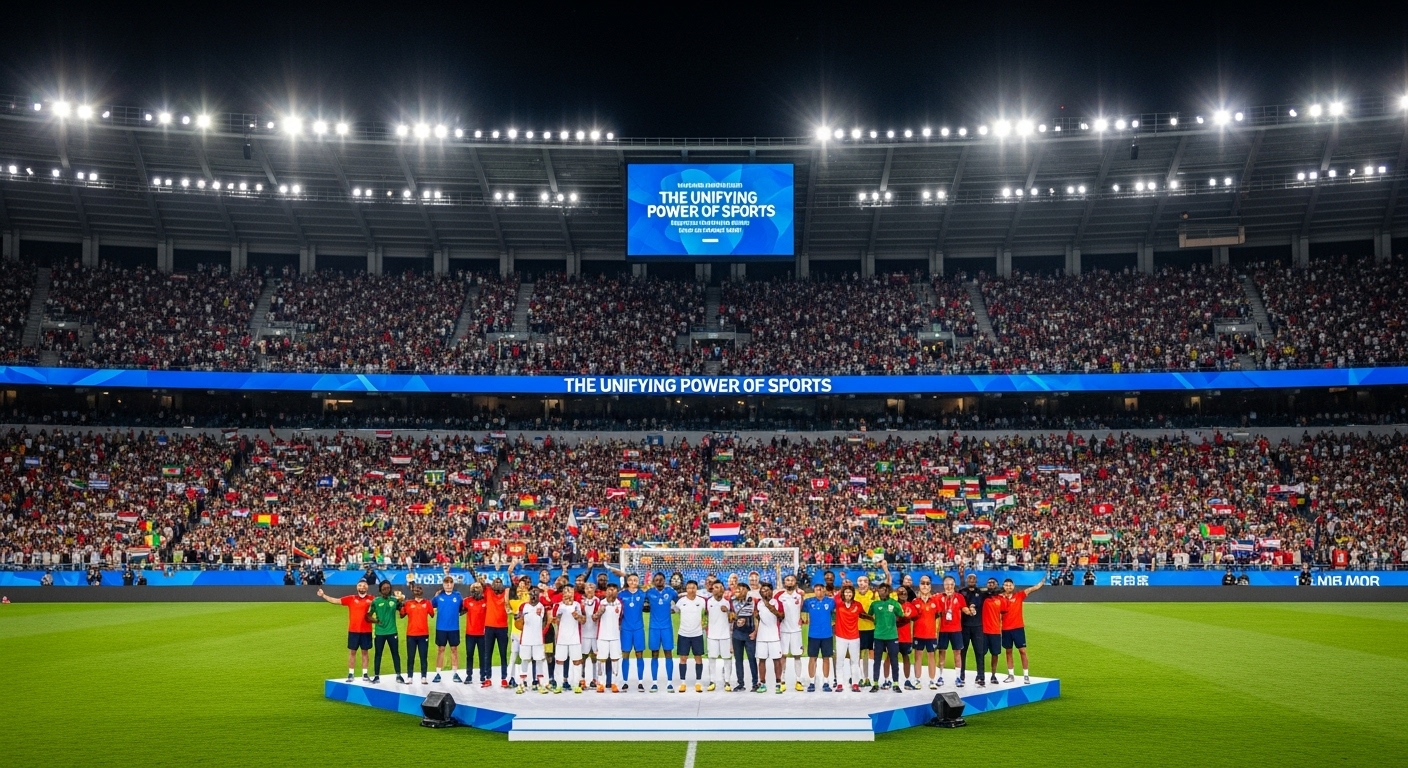
One of the most remarkable aspects of sports is its universal appeal. It transcends language, culture, and geography, creating a common ground where people can connect and celebrate shared experiences. Events like the Olympic Games, the FIFA World Cup, and the Super Bowl draw audiences in the billions, highlighting the global fascination with athletic competition. The ability of sports to unite diverse populations is unparalleled, fostering a sense of belonging and community among fans.
Sports also play a crucial role in diplomacy and international relations. Friendly matches, international tournaments, and global leagues facilitate cultural exchange and mutual understanding among nations. The phenomenon of sports diplomacy is evident in history, where athletic events have bridged political divides and promoted peaceful interactions. For example, “ping-pong diplomacy” in the 1970s helped thaw relations between the United States and China, demonstrating that sports can act as a bridge even in the most challenging geopolitical contexts.
The Physical and Mental Benefits of Sports
Engaging in sports offers numerous physical and mental health benefits. Regular participation improves cardiovascular health, strengthens muscles, enhances flexibility, and boosts overall fitness levels. Activities like swimming, running, and cycling help manage weight, reduce the risk of chronic diseases, and promote longevity. For children and adolescents, sports encourage healthy growth and development while instilling lifelong habits of physical activity.
Mentally, sports are equally beneficial. They foster resilience, patience, and concentration while providing an outlet for stress relief. Competitive sports, in particular, teach individuals to cope with pressure, accept setbacks, and celebrate achievements. Team sports enhance social skills, communication, and cooperation, while individual sports cultivate self-discipline and independence. The psychological benefits of sports often extend into everyday life, improving emotional well-being, confidence, and cognitive function.
The Evolution of Modern Sports
Sports have evolved dramatically over time, shaped by cultural, technological, and social influences. Ancient civilizations developed organized games, often linked to religious or ceremonial purposes. The Greeks celebrated athletic prowess in the Olympic Games, while the Romans popularized gladiatorial contests. Over centuries, sports transformed from localized competitions to global phenomena, with standardized rules, professional leagues, and international governing bodies.
The Industrial Revolution and advancements in transportation and communication further fueled the growth of sports. Railways and telegraphs allowed teams to travel and fans to follow events more easily, while newspapers and radio broadcasts expanded the audience for sporting competitions. In the 20th and 21st centuries, television, the internet, and social media revolutionized how sports are consumed, bringing real-time coverage and interactive experiences to millions of fans worldwide. Today, sports are not just a pastime but a global industry, encompassing professional leagues, endorsements, merchandise, and media rights.
Iconic Moments in Sports History
Sports history is rich with unforgettable moments that have left lasting impressions on fans and societies alike. These moments are celebrated not only for the athletic feats themselves but for the stories they tell about determination, courage, and human potential.
One such moment is the “Miracle on Ice” during the 1980 Winter Olympics, when the underdog United States ice hockey team defeated the heavily favored Soviet Union. This victory symbolized hope, unity, and the triumph of the human spirit. Similarly, Usain Bolt’s record-breaking sprints in the Olympics redefined the limits of human speed, captivating audiences across the globe. In soccer, events like the 1999 Women’s World Cup final showcased the growth of women’s sports and inspired a generation of young athletes.
These iconic moments transcend the boundaries of the sport itself. They become cultural touchstones, sparking conversations, inspiring art and media, and shaping the collective memory of generations.
The Role of Technology in Sports
Technology has become an integral part of modern sports, enhancing performance, training, officiating, and fan engagement. Advanced analytics allow teams to track player performance, optimize strategies, and prevent injuries. Wearable devices monitor heart rates, movements, and energy expenditure, enabling athletes to fine-tune their training regimes. Video analysis and virtual simulations provide opportunities to study opponents and improve decision-making on the field.
Officiating has also been revolutionized through technology. Tools like the Video Assistant Referee (VAR) in soccer, Hawk-Eye in tennis, and instant replay in various sports ensure fair play and reduce human error. Fans, too, benefit from technological innovations, enjoying immersive viewing experiences through high-definition broadcasts, virtual reality, and interactive platforms that bring them closer to the action than ever before.
The Business of Sports
Sports have grown into a massive global industry, generating billions in revenue annually. Professional leagues, sponsorships, broadcasting rights, and merchandise sales contribute significantly to the economy. The commercialization of sports has created opportunities for athletes, coaches, and entrepreneurs while also shaping fan culture.
Sponsorship deals and endorsements have transformed athletes into global icons, influencing fashion, lifestyle, and social trends. Leagues like the NBA, NFL, Premier League, and IPL have expanded their reach across continents, attracting international investments and partnerships. Moreover, sports tourism has emerged as a major economic driver, with fans traveling worldwide to witness live matches, tournaments, and sporting events.
Women in Sports: Breaking Barriers
The role of women in sports has evolved significantly, challenging traditional gender norms and promoting equality. Historically, women faced barriers to participation, including social stigma, limited opportunities, and unequal funding. However, persistent advocacy and outstanding achievements have paved the way for greater inclusion.
Today, female athletes are celebrated for their skill, dedication, and resilience. Icons like Serena Williams, Megan Rapinoe, Simone Biles, and Marta have not only excelled in their respective sports but have also become role models, advocating for gender equality and social justice. Women’s leagues, tournaments, and media coverage continue to expand, inspiring young girls to pursue sports and demonstrating that athletic excellence knows no gender boundaries.
The Cultural Significance of Sports
Sports are deeply intertwined with culture, reflecting the values, history, and identity of communities. Local games, traditional contests, and national leagues often carry cultural symbolism, celebrating heritage and fostering pride. For example, cricket in India is more than a sport; it is a cultural phenomenon that unites millions and evokes passionate emotions. Similarly, baseball in the United States, soccer in Europe and Latin America, and sumo wrestling in Japan hold unique cultural significance.
Sports also influence art, literature, fashion, and media, serving as inspiration for creativity. From iconic sports films to motivational literature and artwork, the narratives of triumph, struggle, and perseverance in sports resonate deeply with audiences. These cultural connections elevate sports from mere games to powerful social and artistic expressions.
Youth Development Through Sports
Engaging children and adolescents in sports is crucial for their holistic development. Sports instill discipline, time management, teamwork, and leadership skills, complementing academic learning. Participation in team sports fosters cooperation, empathy, and conflict resolution, while individual sports nurture self-confidence and personal responsibility.
Youth sports programs also provide safe spaces for physical activity and social interaction, reducing the risk of unhealthy behaviors and promoting mental well-being. Many professional athletes attribute their success to early involvement in sports, highlighting the importance of nurturing talent from a young age. Schools, community centers, and sports academies play a vital role in identifying and supporting young athletes, ensuring a continuous pipeline of talent for the future.
The Emotional Impact of Sports
Sports evoke a wide range of emotions, from joy and excitement to disappointment and heartbreak. Fans invest emotionally in their favorite teams and athletes, creating bonds that transcend ordinary relationships. The shared experience of cheering, celebrating, or consoling each other fosters a sense of community and belonging.
Emotional attachment to sports also teaches valuable life lessons. Fans learn resilience in the face of defeat, patience during challenges, and humility in success. For athletes, the highs and lows of competition shape character, teaching them to handle pressure, setbacks, and triumphs with grace. The emotional power of sports is a testament to its enduring appeal and significance in human life.
The Future of Sports
The future of sports promises exciting innovations and transformations. Emerging technologies, such as artificial intelligence, virtual reality, and wearable devices, will continue to enhance training, performance, and fan engagement. Esports and digital competitions are gaining popularity, attracting new audiences and redefining the concept of sports in the 21st century.
Sustainability and inclusivity will also shape the future landscape. Efforts to reduce the environmental impact of sporting events, promote accessibility for all, and address social inequalities will ensure that sports remain a force for positive change. The global passion for sports, combined with technological advancements and social responsibility, will continue to inspire generations and reinforce the timeless appeal of athletic competition.
Conclusion: The Timeless Appeal of Sports
Sports are more than physical contests; they are a reflection of human ambition, creativity, and resilience. They unite communities, inspire individuals, and create memories that last a lifetime. From local playgrounds to global arenas, sports foster physical health, mental strength, social cohesion, and cultural pride.
In an ever-changing world, the universality and enduring significance of sports remain constant. Whether through the thrill of a last-minute goal, the dedication of a marathon runner, or the grace of a gymnast, sports remind us of our shared humanity and our capacity for excellence. They celebrate the joy of participation, the beauty of competition, and the power of dreams, making sports a timeless and invaluable part of human life.