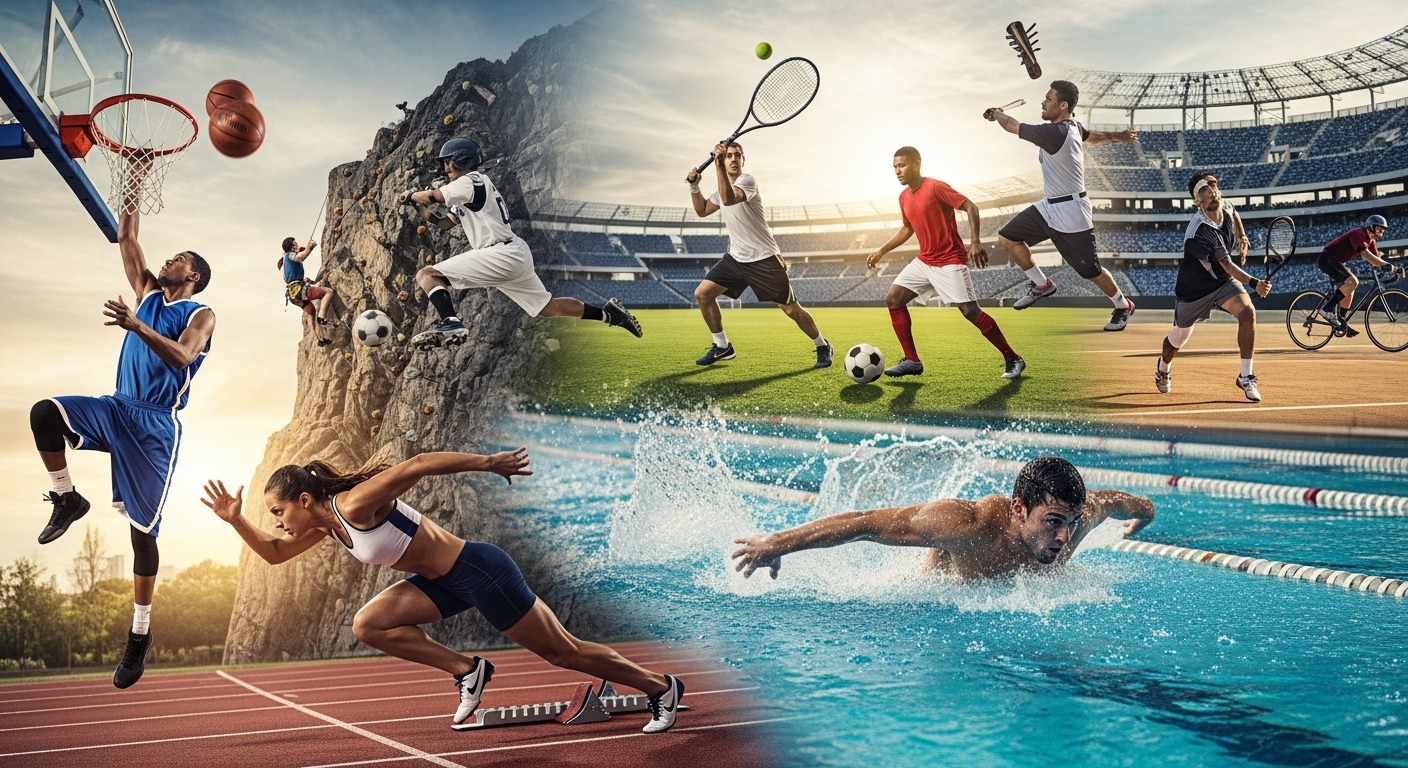

Introduction: Sports as a Universal Language
Sports are more than just games played on fields or courts. They transcend borders, cultures, and languages, acting as a universal connector among people. From the electrifying atmosphere of a packed stadium to the quiet thrill of a local community match, sports bring people together in a way few other activities can. Whether it’s a global spectacle like the Olympics or a neighborhood football game, the essence of sports lies not just in competition but in its ability to inspire, teach, and unite.
The Evolution of Sports
Sports have been an integral part of human civilization for thousands of years. Ancient societies used physical contests to prepare for war, celebrate religious rituals, or entertain communities. Over centuries, these practices evolved into organized sports, complete with rules, governing bodies, and global competitions. Today, sports range from traditional games like wrestling and archery to modern phenomena such as soccer, basketball, and esports. The evolution of sports reflects societal changes, technological advancements, and an increasing desire for inclusivity and global participation.
The Physical and Mental Benefits of Sports
Engaging in sports is not just about winning trophies or accolades; it profoundly impacts physical and mental well-being. Regular physical activity improves cardiovascular health, builds strength, enhances flexibility, and maintains body weight. Beyond the physical advantages, sports cultivate mental resilience, concentration, and strategic thinking. Athletes learn to cope with pressure, bounce back from failure, and develop patience and discipline. Even casual participation can reduce stress, elevate mood, and promote overall happiness. Sports are, in essence, a holistic tool for cultivating a balanced, healthy life.
Sports as a Tool for Social Connection
One of the most powerful aspects of sports is its ability to foster social bonds. Shared enthusiasm for a team or sport can break barriers between individuals from different backgrounds, ages, and cultures. Spectators and participants alike experience a sense of belonging and community. School sports programs, local leagues, and recreational clubs often serve as social hubs where friendships are formed and teamwork is celebrated. This social connection extends beyond personal interactions, often inspiring community initiatives, charitable events, and cultural exchanges.
The Role of Sports in Education
Incorporating sports into education has far-reaching benefits for students. Participation in school and college sports enhances teamwork, leadership, and communication skills. It provides a structured environment where young individuals learn to set goals, manage time, and develop a strong work ethic. Additionally, sports in education promote inclusivity, allowing students of different abilities and backgrounds to collaborate and compete on equal footing. Many educators argue that sports teach life lessons that textbooks alone cannot convey, preparing students for challenges both on and off the field.
The Economic Impact of Sports
Sports are also a major economic driver worldwide. Professional leagues, tournaments, merchandise, and media rights generate billions in revenue annually. Cities hosting major events like the World Cup or the Olympics experience boosts in tourism, infrastructure development, and employment opportunities. Beyond the professional level, local sports industries, including gyms, training academies, and sporting goods stores, contribute significantly to national economies. The economic influence of sports is a testament to its power to shape societies in multiple dimensions, combining entertainment with tangible financial benefits.
Sports and National Identity
For many countries, sports serve as a source of national pride and identity. International competitions provide a platform for nations to showcase talent, unity, and resilience. Iconic athletes often become symbols of hope, inspiration, and achievement, transcending the boundaries of their respective sports. Victories and even honorable losses can ignite collective emotions, reinforcing cultural bonds and patriotism. Sports have a unique ability to reflect societal values, celebrate diversity, and inspire citizens to rally behind a common cause.
Technological Advancements in Sports
The modern sports landscape has been transformed by technology. Innovations such as instant replay, wearable fitness trackers, performance analytics, and virtual training tools have revolutionized how athletes train, compete, and improve. Technology not only enhances performance but also improves safety, reducing the risk of injuries through better monitoring and data analysis. For fans, digital platforms allow immersive experiences, real-time updates, and interactive engagement with teams and athletes. The integration of technology into sports illustrates the ongoing evolution of the field and its adaptability to contemporary lifestyles.
Challenges Facing Modern Sports
Despite its many benefits, sports face several challenges. Doping, corruption, and commercialization threaten the integrity of competitions. Overemphasis on winning can lead to unhealthy pressure on athletes, sometimes compromising their physical and mental health. Additionally, inequalities in access to sports facilities and opportunities persist globally, often limiting participation for marginalized communities. Addressing these challenges requires collective effort from governing bodies, athletes, educators, and policymakers to ensure that sports remain inclusive, ethical, and genuinely beneficial to society.
The Future of Sports
The future of sports is both exciting and transformative. Esports are rapidly gaining recognition, blurring the lines between physical and digital competition. Sustainability is becoming a critical focus, with eco-friendly stadiums, equipment, and events taking center stage. Inclusivity initiatives continue to expand, ensuring equal opportunities regardless of gender, ability, or socioeconomic status. As sports continue to evolve, their role as a catalyst for health, education, economic development, and cultural exchange will likely grow even stronger, reaffirming their status as an essential element of human life.
Conclusion: Sports as a Catalyst for Positive Change
At its core, sports embody the values of perseverance, teamwork, and respect. They entertain, inspire, and educate, while simultaneously fostering connections between individuals, communities, and nations. Beyond the thrill of competition, the essence of sports lies in their ability to empower, unite, and transform lives. Whether through personal development, social impact, or global unity, sports remain one of humanity’s most powerful tools for positive change. Embracing sports in all its forms is not just about celebrating athletic excellence—it is about nurturing the human spirit.