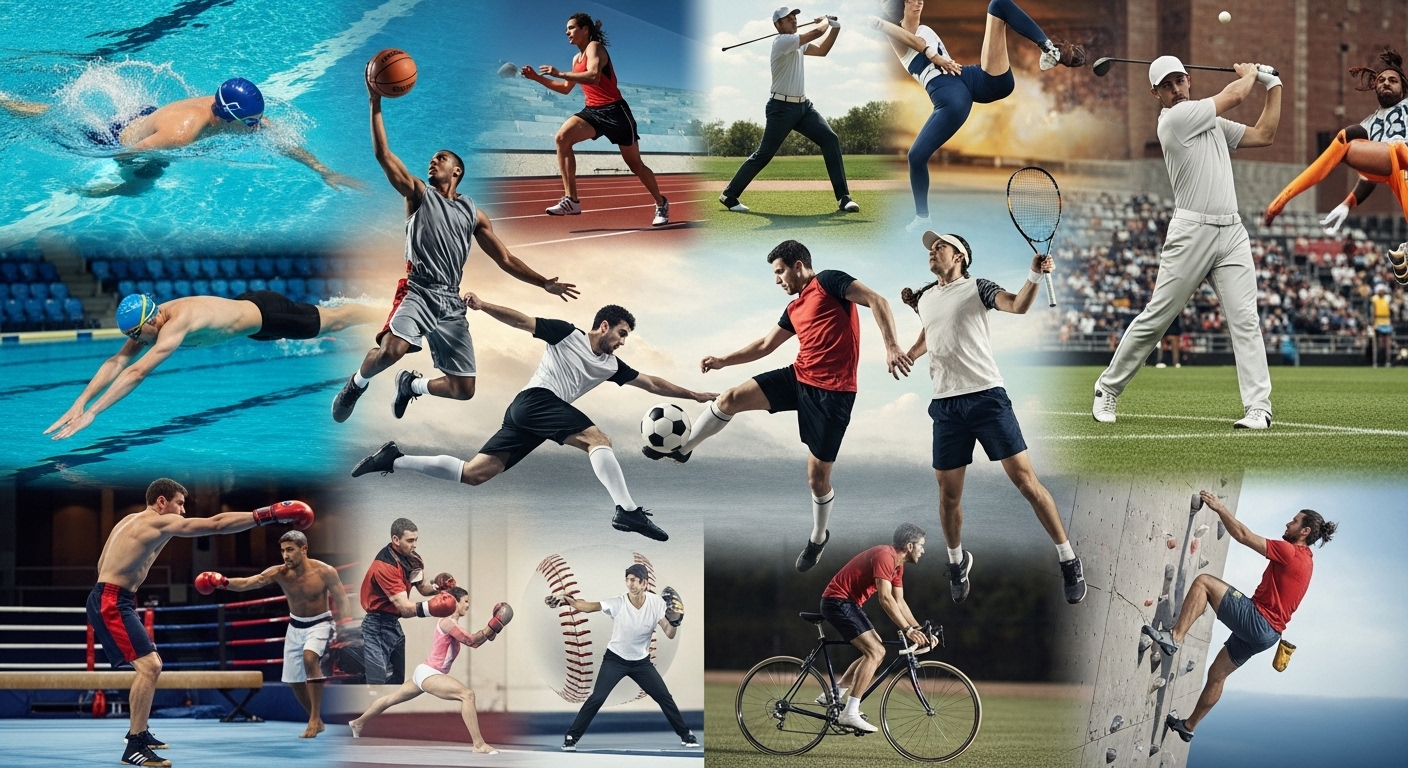

Fitness has evolved over the years, and athletes are always at the forefront of adopting new techniques, technologies, and training methods to optimize their performance. Whether it’s improving strength, agility, endurance, or recovery, athletes from all sports continuously push the boundaries of physical fitness. As sports science advances, so too do the training regimens and recovery practices that elite athletes incorporate into their daily routines.
In this blog post, we’ll explore the top 10 fitness trends that athletes are embracing today to take their performance to the next level. These trends combine science, innovation, and traditional techniques to deliver impressive results. If you’re looking to get into the mindset of an athlete, these trends will give you insight into how professionals train and recover, and may even inspire you to enhance your own fitness journey.
1. High-Intensity Interval Training (HIIT)
High-Intensity Interval Training (HIIT) has become a staple in the fitness world, particularly among athletes who need to maximize their time while improving both strength and cardiovascular endurance. HIIT involves alternating between intense bursts of exercise and short recovery periods, which helps to improve both aerobic and anaerobic capacity.
For athletes, HIIT is an efficient way to simulate the bursts of energy required during high-level competition, especially in sports like basketball, soccer, and hockey. This training method not only improves cardiovascular health but also boosts metabolic rate, increases endurance, and enhances muscle strength. Many professional athletes use HIIT to stay in peak condition throughout the off-season and during intense training periods.
2. Functional Training
Functional training is all about exercises that mimic the movements an athlete performs during their sport. The goal is to improve strength, stability, and mobility, focusing on movements that improve everyday function as well as athletic performance. Whether an athlete is training for running, football, or even tennis, functional exercises help improve muscle coordination, balance, and flexibility.
Athletes use equipment like kettlebells, medicine balls, and resistance bands to engage multiple muscle groups simultaneously. These exercises aim to enhance both strength and coordination while simulating the physical demands of a specific sport. By focusing on improving overall movement patterns, functional training allows athletes to prevent injuries and recover faster.
3. Recovery Tools and Techniques
While intense training is vital, recovery is just as important to an athlete’s overall fitness. Over the years, recovery tools and techniques have become increasingly popular. Among the most sought-after tools are foam rollers, massage guns, and compression therapy devices. These tools are designed to reduce muscle soreness, increase blood flow, and accelerate the healing process after strenuous exercise.
Massage guns, like the Theragun, have grown in popularity, helping athletes release tension in muscles and fascia. Foam rolling is also commonly used to improve flexibility, reduce stiffness, and break up adhesions in the muscles. Compression therapy, often used in the form of garments or boots, is believed to help with reducing swelling and promoting faster recovery.
Additionally, techniques like contrast baths (alternating hot and cold water immersion) and cryotherapy (exposure to extreme cold to promote muscle recovery) are increasingly utilized by athletes across different sports. The importance of rest and recovery is now widely recognized, with many elite athletes devoting as much attention to recovery as they do to their training.
4. Mindfulness and Meditation
The mental aspect of sports is just as crucial as the physical one. Many athletes have adopted mindfulness practices and meditation as part of their training regimen. Mindfulness helps athletes stay present during competition, reduce stress, and manage anxiety. Meditation, which is often incorporated into yoga routines, helps athletes increase focus, clarity, and mental resilience.
Studies have shown that athletes who regularly practice mindfulness experience improved reaction times, decision-making, and overall performance under pressure. Elite athletes like Kobe Bryant and LeBron James have publicly spoken about the benefits of mental training. Incorporating mindfulness techniques allows athletes to gain better control over their emotions and improve their mental toughness, which can make all the difference in high-stakes moments.
5. Personalized Nutrition and Supplements
Nutrition has always been a key pillar of athletic performance, but in recent years, there has been a shift towards more personalized approaches to diet and supplementation. Athletes are increasingly relying on customized nutrition plans based on their specific body composition, energy needs, and athletic goals.
The use of genetic testing and bloodwork to determine an athlete’s optimal macronutrient ratio, vitamin levels, and food sensitivities is on the rise. This data-driven approach helps athletes fine-tune their diets and supplementation routines for maximum performance. Supplements like protein powders, creatine, branched-chain amino acids (BCAAs), and omega-3 fatty acids are frequently used by athletes to enhance muscle recovery, boost energy, and improve overall performance.
In addition to these core supplements, many athletes are turning to adaptogens—herbs that help the body cope with stress and improve endurance—such as ashwagandha, Rhodiola, and ginseng. These natural compounds help athletes maintain energy levels and focus during intense training and competition.
6. Wearable Fitness Technology
Wearable fitness technology has revolutionized how athletes track their progress, measure performance, and even prevent injuries. From heart rate monitors to GPS trackers, these devices give athletes real-time insights into their bodies’ performance and recovery rates.
Athletes use fitness trackers to monitor their heart rate variability (HRV), which can indicate how well the body is recovering. Wearables also allow athletes to track metrics like sleep quality, activity levels, and calorie burn, helping them make adjustments to their training schedules. Devices such as the Whoop Strap and Fitbit have become integral parts of an athlete’s daily routine, providing them with invaluable data to optimize training and prevent overtraining.
GPS tracking systems, especially in team sports like soccer, rugby, and basketball, are used to monitor player movement, distance covered, and speed. This data helps coaches and athletes adjust training intensity and tactics, ensuring they get the most out of their sessions. Wearable technology is now a crucial tool for understanding and improving athletic performance.
7. Plyometric Training
Plyometric training is designed to enhance explosive power, agility, and speed, making it especially popular among athletes in sports like basketball, track and field, and football. Plyometrics involves high-intensity exercises such as jump squats, box jumps, and bounding that utilize the stretch-shortening cycle to develop power in the muscles.
Athletes use plyometric exercises to improve their ability to generate force quickly, whether it’s for jumping higher, sprinting faster, or making explosive directional changes on the field. The training also helps to improve muscle elasticity and joint stability, reducing the risk of injury while enhancing overall athletic performance.
Plyometrics is often used in conjunction with weight training and aerobic conditioning to build well-rounded physical fitness. For athletes, the goal is to develop the ability to apply maximum force in a short amount of time—something that’s essential for success in many sports.
8. Speed and Agility Training
Speed and agility are critical components of athletic performance across a wide range of sports. Whether it’s a soccer player making a quick sprint down the field or a tennis player quickly changing direction to reach a ball, speed and agility training can give athletes a distinct competitive advantage.
Training drills designed to improve quickness, reaction time, and directional changes have become a major trend in fitness. Cone drills, ladder drills, and shuttle runs are among the most popular exercises used to enhance speed and agility. These drills help athletes improve their coordination, footwork, and explosiveness. Additionally, resistance bands and parachutes are sometimes used to increase resistance during sprints, which in turn improves speed and power.
Speed and agility training is not just about running faster—it’s about enhancing an athlete’s ability to control their body and make swift, accurate movements in all directions. For athletes, improving speed and agility means gaining an edge over opponents and minimizing reaction time.
9. Cross-Training
Cross-training refers to the practice of engaging in various forms of exercise to improve overall fitness, enhance specific performance skills, and prevent injury. For athletes, cross-training is a way to develop strength and conditioning in areas outside of their primary sport while reducing the risk of overuse injuries.
An athlete who focuses primarily on running may incorporate swimming, cycling, or strength training into their regimen to enhance cardiovascular fitness and build muscle. Cross-training is also a great way to break up monotony and keep workouts engaging. For instance, a basketball player might participate in yoga for flexibility or do resistance training to build power.
The main goal of cross-training is to create a balanced, well-rounded fitness routine that improves performance across multiple domains of physical fitness—strength, endurance, flexibility, and coordination.
10. Yoga and Mobility Training
Yoga and mobility training have become integral parts of an athlete’s fitness routine. In addition to the well-documented mental benefits, yoga enhances flexibility, balance, and joint mobility, all of which are critical for injury prevention and recovery. Athletes in all sports, from tennis players to weightlifters, are incorporating yoga into their training regimens to improve range of motion and maintain proper body alignment.
Mobility training, which focuses on joint and muscle flexibility, is also growing in popularity among athletes. This type of training helps athletes achieve greater range of motion in their joints, improving performance while reducing the risk of strains, sprains, and other injuries.
Incorporating yoga and mobility training into a fitness routine helps athletes maintain proper posture, align their muscles and joints, and recover faster from intense physical exertion.
Conclusion
The world of athletic fitness is constantly evolving, and these trends reflect the latest developments in training techniques, recovery methods, and technology. Whether it’s improving speed and power with plyometrics, enhancing flexibility with yoga, or leveraging wearable technology to track performance, athletes are always looking for new ways to stay at the top of their game.