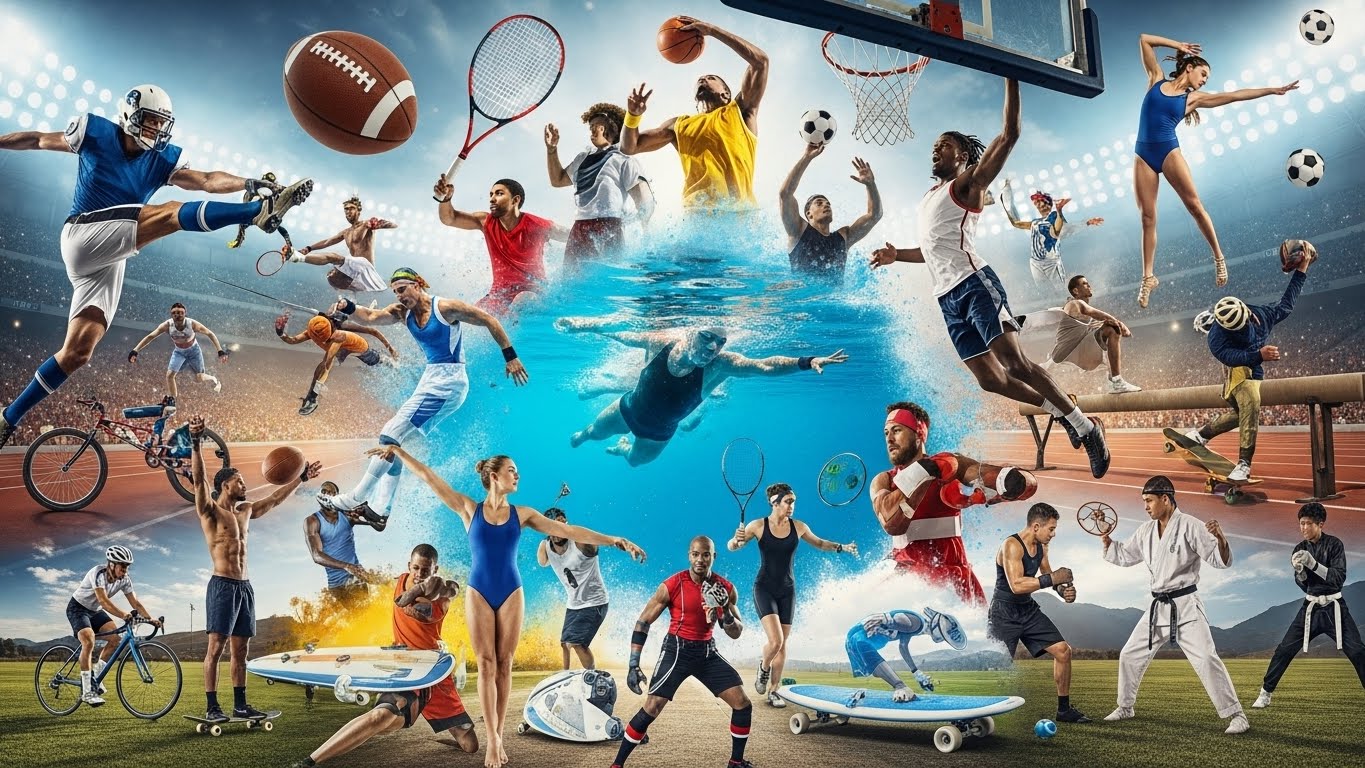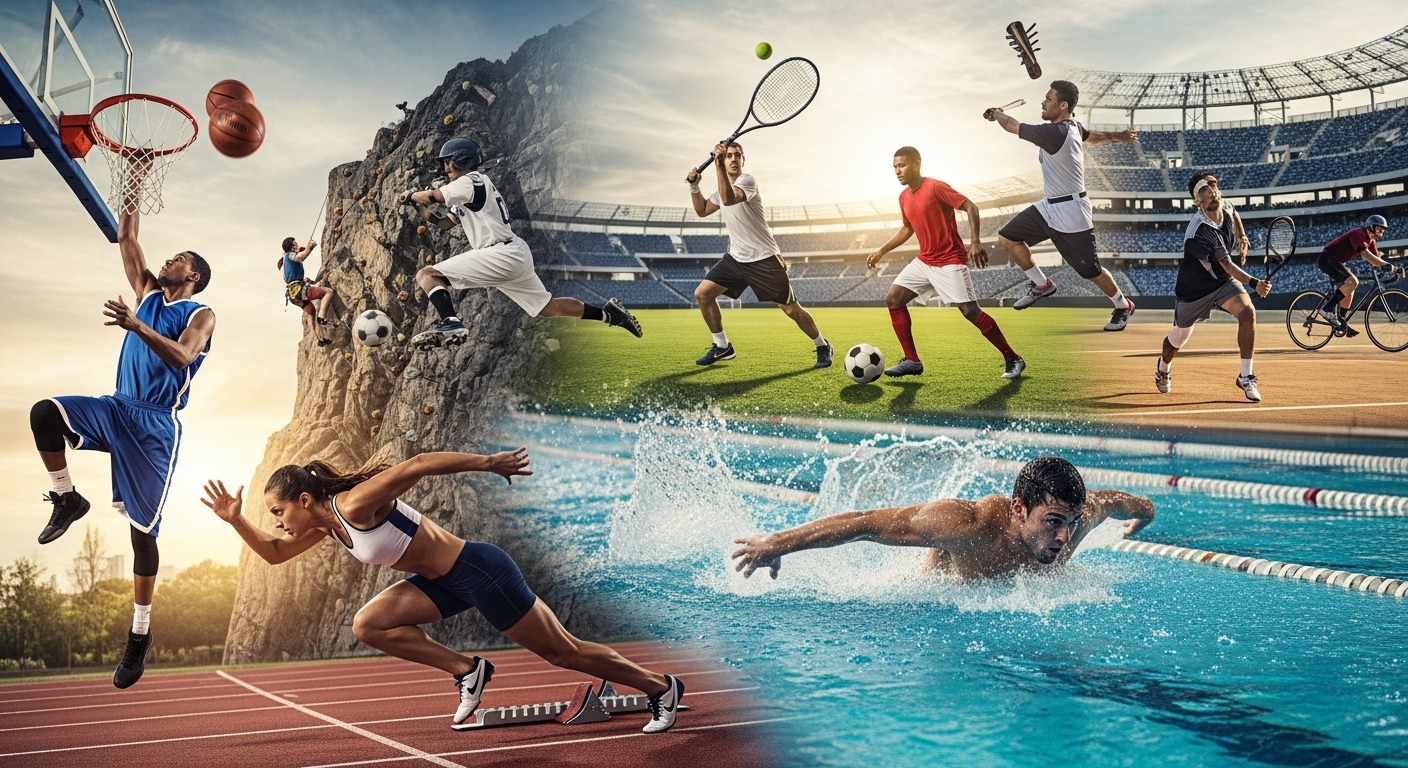
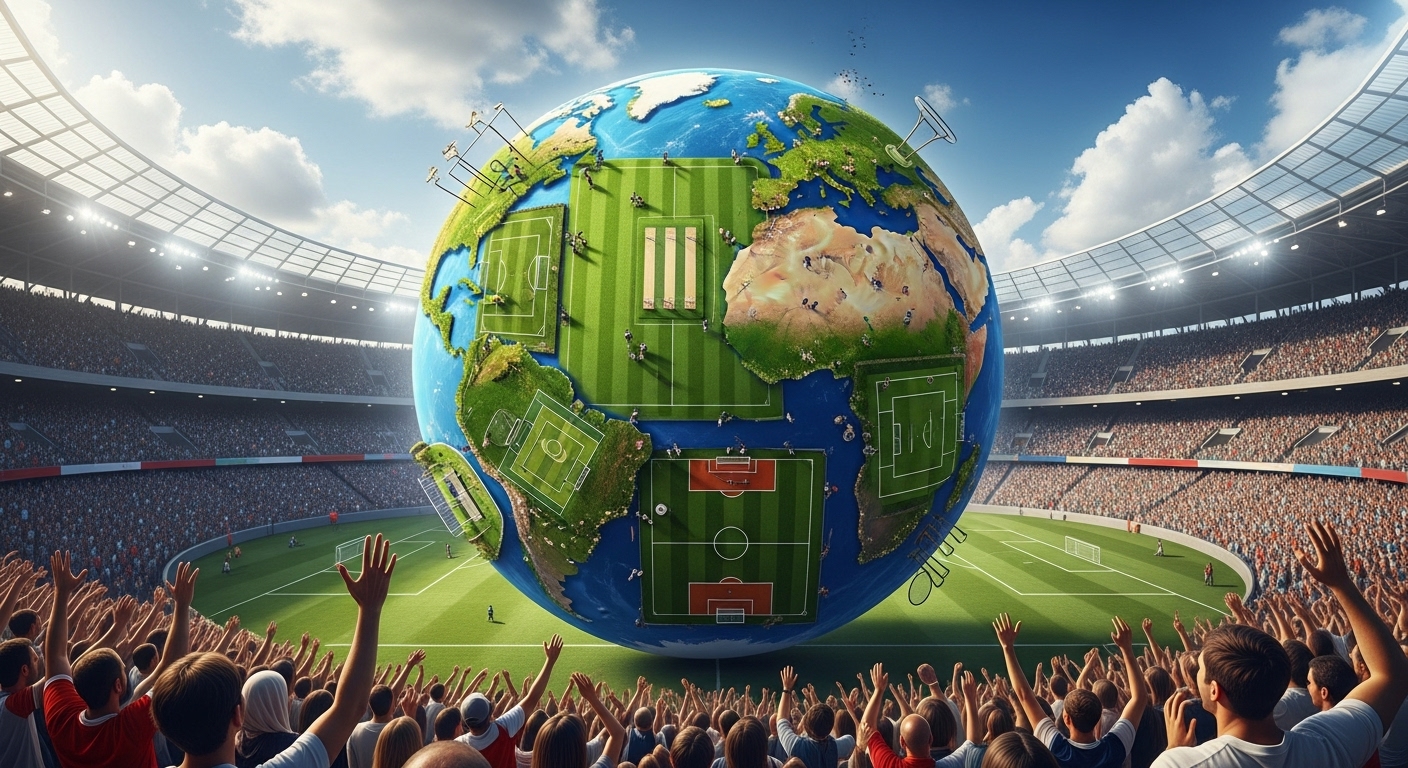
Introduction: The Universal Language of Sports
From the ancient arenas of Greece to the modern stadiums filled with roaring fans, sports have remained one of the most powerful forces connecting humanity. They transcend borders, languages, and ideologies. Whether it’s football in Europe, cricket in India, basketball in America, or rugby in New Zealand, the essence of competition and the spirit of teamwork unite people from all walks of life.
Sports are not just games. They are emotions, they are identity, and they are history in motion. Every match played, every medal won, and every record broken tells a story — a story of hard work, resilience, and dreams realized through sheer dedication. In today’s world, sports go beyond entertainment; they are tools for education, social change, and global unity.
This blog explores the vast and dynamic world of sports — their history, impact, evolution, and how they continue to influence society at every level.
The Ancient Roots of Sporting Spirit
The origins of sports trace back to the dawn of civilization. Long before there were organized teams or stadiums, early humans engaged in physical contests for survival. Hunting, running, and throwing were not games but necessities. Over time, these acts of survival evolved into structured competitions.
In ancient Greece, sports became a central part of culture and education. The Olympic Games, first recorded in 776 BC, were dedicated to the gods and represented the pinnacle of human physical excellence. Men competed in running, wrestling, boxing, and chariot racing, not just for prizes but for glory and honor. Winning an Olympic event meant eternal fame.
Similarly, in ancient China, sports like archery and martial arts were highly regarded, both as physical disciplines and as paths to mental harmony. The Mayans played a ball game called “Pok-ta-Pok,” which had deep religious meaning. In Rome, gladiatorial contests became the ultimate form of entertainment, though brutal and deadly.
These early forms of sports laid the foundation for what we now call athletic culture — a balance between body, mind, and spirit, celebrated through competition and performance.
The Modern Revolution of Sports
The 19th and 20th centuries witnessed a dramatic transformation in the world of sports. Industrialization, urbanization, and the spread of education brought organized games into schools and communities. What was once an activity for the elite or the brave became a global movement involving millions.
The revival of the modern Olympic Games in 1896 under the leadership of Baron Pierre de Coubertin symbolized the rebirth of ancient ideals in a modern form. The new Olympics emphasized fair play, international friendship, and unity. From just a handful of athletes in the first modern Olympics, the event has grown to include thousands from nearly every nation on Earth.
The 20th century also gave rise to professional sports leagues. Football clubs in Europe, baseball teams in the United States, and cricket associations in Asia brought structure, regulation, and commercial interest to sports. The invention of the radio and later television allowed millions to follow their favorite teams and heroes, turning athletes into celebrities and national icons.
This revolution turned sports from pastime to profession, from local events to billion-dollar industries. It also introduced the concept of sponsorship, branding, and fan culture — aspects that continue to shape modern sports today.
The Psychological Power of Competition
At the heart of every sport lies the drive to compete. But competition is not just about winning or losing; it’s a deeply psychological experience. It reveals who we are under pressure, how we deal with failure, and how we handle success.
Sports teach discipline and focus. They show us the value of preparation and the importance of teamwork. Every athlete learns that talent may open the door, but persistence keeps you inside. The process of training, the sacrifices made, and the willpower tested all contribute to shaping stronger characters.
For many, sports are therapy. The adrenaline rush, the focus on performance, and the unity of purpose bring mental clarity and stress relief. Studies show that physical activity boosts endorphins and improves mood, helping people fight depression and anxiety.
Competition, when kept in balance, brings out the best in people. It creates leaders, builds communities, and teaches lessons that last a lifetime. Sports are, in many ways, a mirror of life — unpredictable, challenging, and full of opportunities to rise again after every fall.
The Globalization of Sports
In the age of technology and media, sports have become a truly global phenomenon. A football match played in Madrid is watched live in Nairobi, Tokyo, and Buenos Aires. A basketball dunk by a player in Los Angeles becomes viral in seconds.
Globalization has created shared heroes. Names like Lionel Messi, Serena Williams, Usain Bolt, and Roger Federer are known and respected worldwide. Their achievements inspire young athletes in every corner of the planet.
The exchange of talent across borders has also enriched the quality of sports. Players travel internationally to play in leagues far from home, bringing cultural diversity and different styles of play. Sports diplomacy has become an informal yet effective way to foster peace and mutual understanding among nations.
Major sporting events like the FIFA World Cup or the Olympics are not just tournaments; they are global celebrations of unity and diversity. For a few weeks, the world forgets its divisions and comes together under the banner of fair play.
The Business and Economics of Sports
Sports have evolved into one of the most lucrative industries on Earth. From ticket sales and merchandise to broadcasting rights and sponsorship deals, the financial ecosystem surrounding sports is enormous.
Professional leagues such as the English Premier League, the NBA, and the Indian Premier League generate billions of dollars annually. Stadiums are built like architectural wonders, capable of holding tens of thousands of fans. Athletes are not only competitors but also brand ambassadors.
The economic impact of sports extends far beyond the playing field. It creates jobs, boosts tourism, and stimulates infrastructure development. Hosting major events often leads to the construction of new roads, airports, and hotels. Local economies thrive during tournaments, with fans spending on food, travel, and accommodation.
However, the commercialization of sports also brings challenges. The pressure to perform, the influence of money, and the temptation of unethical practices like doping or match-fixing threaten the purity of the game. Balancing profit with integrity remains one of the biggest challenges in modern sports.
Women in Sports: Breaking Barriers
For centuries, sports were considered the domain of men. Women who wished to compete faced discrimination, lack of resources, and societal disapproval. But over the past few decades, that narrative has changed dramatically.
From Billie Jean King’s fight for gender equality in tennis to the rise of global icons like Simone Biles, Megan Rapinoe, and Naomi Osaka, women athletes have redefined what it means to be champions. The inclusion of women’s events in the Olympics and the establishment of professional women’s leagues across multiple sports have provided new opportunities and recognition.
The impact of women in sports goes beyond competition. It challenges stereotypes, empowers young girls, and promotes equality. Every victory by a female athlete is a statement — that skill, strength, and determination know no gender.
Still, there’s work to be done. Equal pay, media coverage, and sponsorship for women’s sports continue to lag behind. But the progress made so far is undeniable and inspiring, marking a new era of inclusivity and respect.
Sports as a Tool for Social Change
Beyond the excitement and glory, sports have often been a platform for social and political transformation. Athletes have used their influence to stand against injustice, inequality, and discrimination.
When Jesse Owens won four gold medals in the 1936 Berlin Olympics, he shattered the myth of racial superiority promoted by the Nazi regime. Muhammad Ali refused to be silent about civil rights and war, turning his career into a symbol of courage and conscience. In more recent times, gestures like kneeling during the national anthem or wearing symbolic armbands have reignited conversations about equality and justice.
Sports have also played a key role in bringing communities together after crises. Matches organized after natural disasters or conflicts often help in healing wounds and restoring a sense of normalcy. Organizations and foundations run by athletes contribute millions to education, health, and youth development programs.
In essence, sports are more than entertainment; they are a movement. They possess the unique power to change hearts and inspire collective action.
Technology and the Future of Sports
The 21st century has brought technological advancements that have revolutionized every aspect of sports. From performance tracking to virtual reality training, data analytics, and wearable devices, technology now sits at the heart of athletic performance.
Video Assistant Referee (VAR) systems, goal-line technology, and instant replays have made officiating more accurate. Coaches use AI-powered software to analyze players’ movements and predict outcomes. Fans engage through interactive experiences, watching games in augmented reality or following their favorite teams on streaming platforms.
E-sports, once considered niche, have grown into a major segment of the sports industry. Competitive gaming now attracts millions of viewers and generates substantial revenue, blurring the line between physical and digital sports.
The future promises even more innovation. Smart stadiums, sustainable facilities, and AI-driven fitness programs will redefine how we play and experience sports. The blend of technology and tradition will ensure that sports remain both relevant and exciting for generations to come.
Youth and the Grassroots Movement
Every champion begins somewhere — often in a dusty playground, a local park, or a schoolyard. Grassroots sports programs play an essential role in nurturing future talent. They provide not only a platform for discovering potential but also an environment that teaches life skills.
Physical education in schools encourages children to develop coordination, teamwork, and leadership. Community-based clubs give youngsters a sense of belonging and purpose. In many developing countries, sports have become a tool to keep youth away from crime, substance abuse, and social isolation.
Investment in grassroots sports is an investment in the future. Nations that prioritize youth sports development often produce the most successful athletes. Beyond the medals, the values of discipline, respect, and perseverance that sports instill stay with individuals for life.
The Emotional Connection: Why Fans Matter
Without fans, sports would lose their soul. The passion of supporters — the chants, the colors, the unwavering loyalty — gives life to every match and event. Fans transform sports from mere competition into a cultural experience.
Whether it’s the sea of yellow jerseys in Brazil during a football match or the thunderous applause in Wimbledon’s Centre Court, the emotional energy of fans is contagious. They live and breathe every victory and defeat as if it were their own.
In recent years, social media has made fandom more interactive. Fans can engage directly with players, share opinions, and create online communities. The bond between athletes and supporters has never been stronger, though it also brings challenges such as online criticism and pressure.
Nevertheless, the love of fans remains the heartbeat of sports — a reminder that at its core, every game is about human connection.
Sports and National Identity
Sports often serve as a reflection of a nation’s pride and spirit. Victories on the international stage become moments of collective joy, while defeats are shared heartbreaks. For many countries, sports are a source of identity and unity.
When South Africa won the Rugby World Cup in 1995, it symbolized the nation’s unity after years of apartheid. When India lifted the Cricket World Cup in 1983, it sparked a new era of confidence for the nation. The same can be said for the U.S. hockey victory in the 1980 “Miracle on Ice” — a triumph that transcended sport itself.
Athletes often carry the hopes of entire nations on their shoulders. Their performances shape the world’s perception of their country. Sports diplomacy, through friendly matches and shared training programs, continues to strengthen ties between countries.
National pride in sports reminds us that while competition divides teams, it unites humanity under the banner of excellence and respect.
The Ethics of Sports: Challenges and Responsibilities
No discussion of sports would be complete without addressing ethics. As the stakes have risen, so have the temptations to cheat or manipulate outcomes. Doping scandals, corruption in governing bodies, and unfair practices have stained the reputation of some sports.
Maintaining integrity is essential. Athletes are role models, and their behavior influences millions. Fair play, honesty, and respect are not just values to be preached — they must be practiced consistently.
Organizations have implemented stricter regulations, anti-doping measures, and transparency systems to protect the credibility of sports. But true change begins with education — teaching young athletes that character matters as much as skill.
Ethics in sports remind us that victory without honor is hollow, and the real champions are those who compete with honesty and humility.
Conclusion: The Endless Game
Sports are timeless. They have existed since humanity learned to run, jump, and dream. They have witnessed wars, united nations, broken barriers, and rewritten history. From the cheers in a packed stadium to the quiet determination of a lone runner on a deserted track, sports capture the essence of life — struggle, passion, and triumph.
In a world often divided by politics, religion, and ideology, sports remain one of the few universal languages. They teach us that success is earned, respect is mutual, and effort never goes unrewarded.
As technology evolves and generations change, the spirit of sports will endure. Because as long as there are people who dare to compete, who push their limits, and who believe in the power of teamwork and dreams, the game will never end.
Sports are not just about who wins or loses. They are about what it means to be human — to strive, to fall, to rise again, and to keep playing.