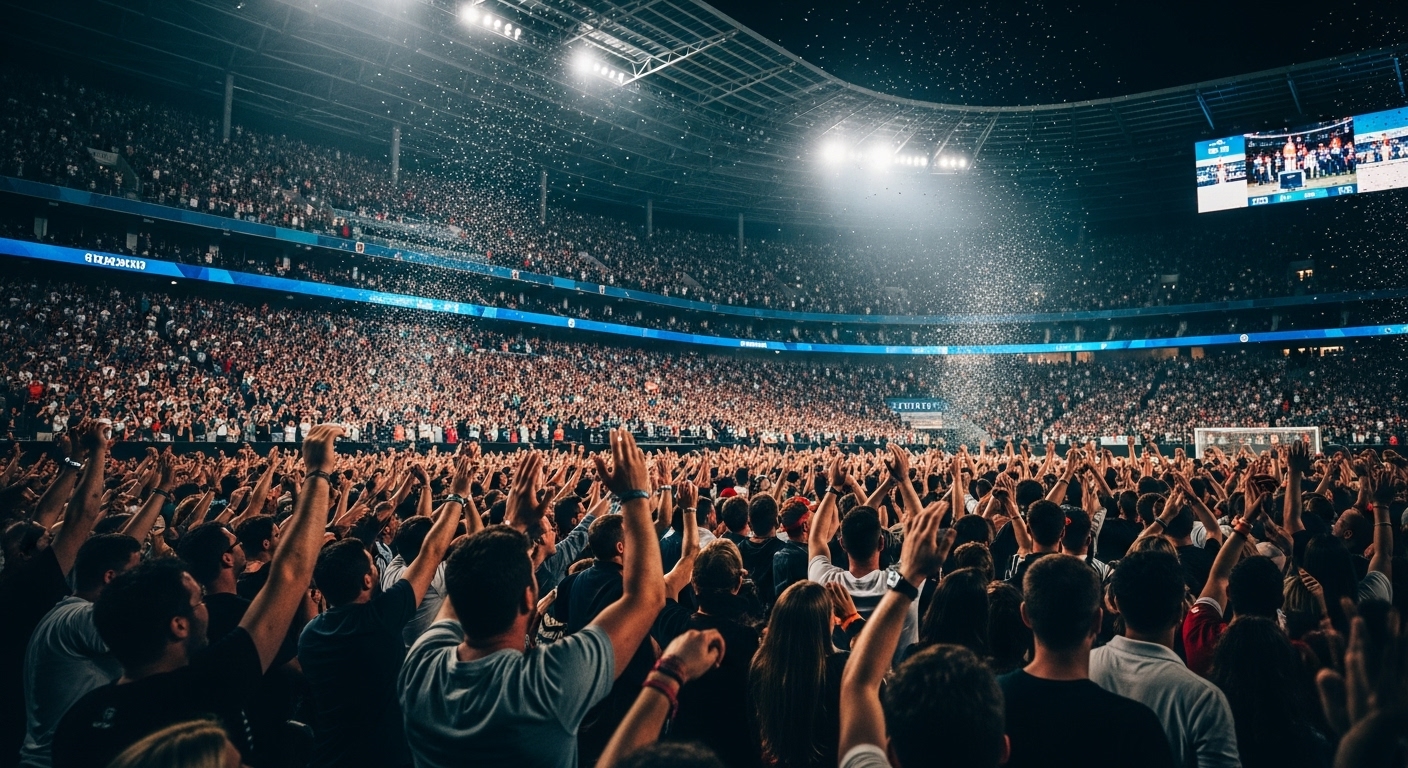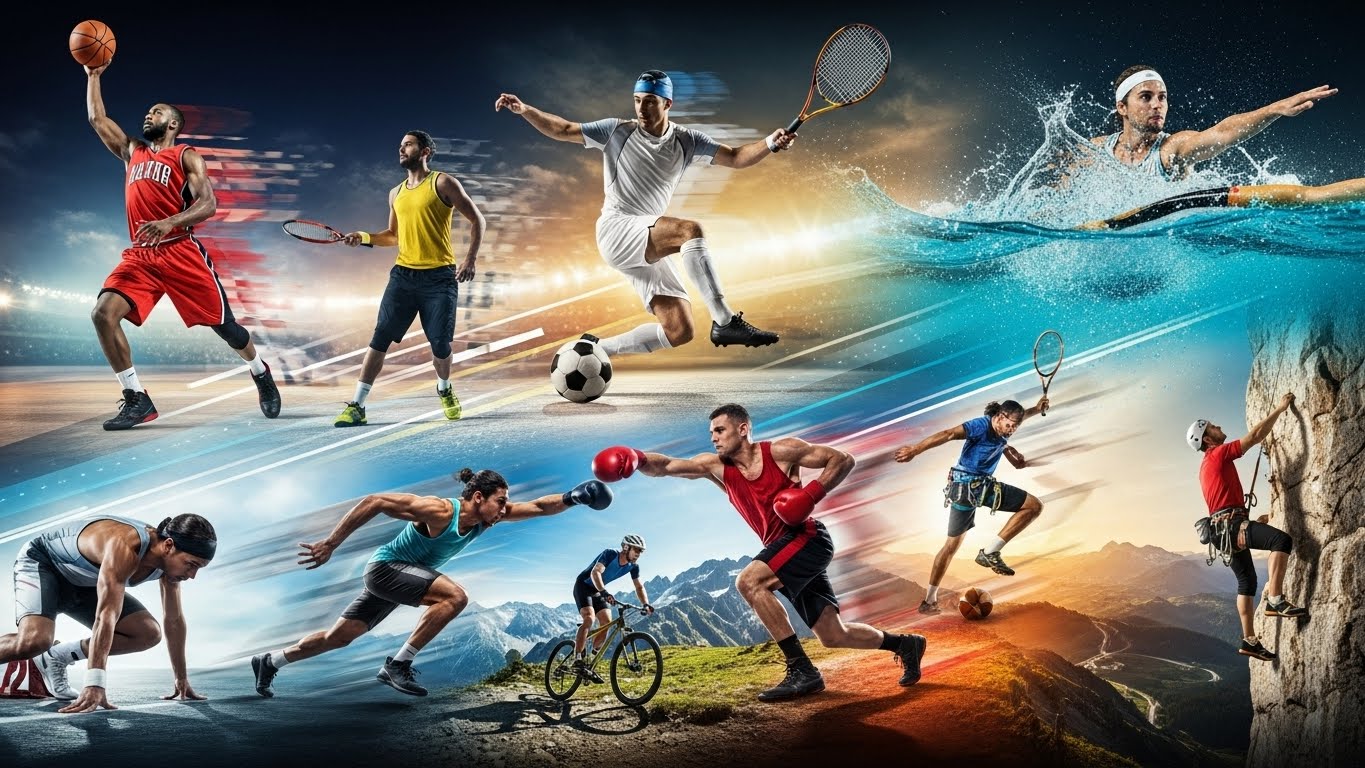
Sports have always been more than games. They are reflections of human emotion, ambition, and endurance. Across centuries and civilizations, sports have evolved from ritual contests into a global language that connects billions of people. They shape cultures, inspire generations, and reveal the very essence of what it means to strive, to fail, and to rise again. From the earliest Olympic Games in ancient Greece to the pulsating energy of modern arenas, sports have remained a powerful expression of humanity’s desire to test its limits and celebrate its triumphs.
The Ancient Roots of Athleticism
The story of sports begins deep in history. Long before stadiums and scoreboards, ancient civilizations competed in athletic contests that were intertwined with religion, warfare, and community identity. In ancient Greece, athletic competition was regarded as a sacred tribute to the gods. The Olympic Games, held in Olympia as early as 776 BCE, were not just athletic events but spiritual gatherings. Athletes competed in running, wrestling, discus, and chariot races, and their victories were celebrated as divine favor.
In ancient Egypt, archery, swimming, and hunting were common pastimes of royalty and soldiers. The Mayan and Aztec civilizations in Central America played ball games that carried ritual significance, sometimes linked to cosmic beliefs and even life-and-death outcomes. In China, sports such as cuju, an early form of football, were enjoyed by emperors and commoners alike.
These ancient competitions established the foundation for modern sport: the combination of skill, discipline, and spirit that continues to define athletic excellence today.
The Evolution of Sports Through the Ages
As societies advanced, so did the structure and diversity of sports. During the Roman Empire, the spectacle of sport became grand and theatrical. Gladiatorial contests, though brutal, were immense public events that drew massive crowds. Meanwhile, horse racing and athletic games flourished across the empire.
In medieval Europe, sports evolved under feudal influence. Jousting, archery, and hunting became symbols of nobility and military training. Common folk engaged in simpler games, often rooted in village traditions. The Renaissance period revived classical ideals of physical fitness, emphasizing balance between mind and body.
By the 19th century, industrialization transformed the world of sports. Urbanization, new leisure time for the working class, and the rise of public schools in Britain helped formalize many of the sports we know today. Football, rugby, cricket, and tennis developed standardized rules and international appeal. The modern Olympic Games, revived in 1896 by Pierre de Coubertin, marked the birth of global athletic competition in the modern era.
Sports as a Universal Language
One of the most remarkable qualities of sports is its universality. A person in any part of the world can understand the drama of a final match, the heartbreak of defeat, or the joy of a winning goal. Sports transcend language, nationality, and culture. They foster unity even amid diversity.
Events like the FIFA World Cup and the Olympic Games bring together athletes and fans from every continent, turning competition into a celebration of human spirit. For a few weeks, borders seem to blur as the world gathers to witness moments of extraordinary performance and courage.
Sports also act as a bridge in diplomacy. Historic examples include the “ping-pong diplomacy” between the United States and China in the 1970s, and cricket diplomacy between India and Pakistan. These moments prove that sports can communicate peace and cooperation where politics often fail.
The Science Behind Athletic Performance
Modern sports are deeply intertwined with science. Every aspect of training, nutrition, recovery, and equipment design is backed by research and technology. Today’s athletes are not just competitors; they are finely tuned biological machines optimized for peak performance.
Exercise physiology studies how the body responds to training, helping coaches tailor regimens that enhance endurance, strength, and speed. Sports nutrition ensures that athletes receive precise amounts of carbohydrates, proteins, and micronutrients to sustain performance. Advances in biomechanics and motion analysis have refined technique in sports ranging from sprinting to swimming.
Injury prevention and recovery have also become scientific frontiers. Cryotherapy, physiotherapy, and data-driven rehabilitation programs now allow athletes to return stronger after setbacks. Even psychological training, once overlooked, is recognized as crucial in unlocking full potential.
The Psychology of Competition
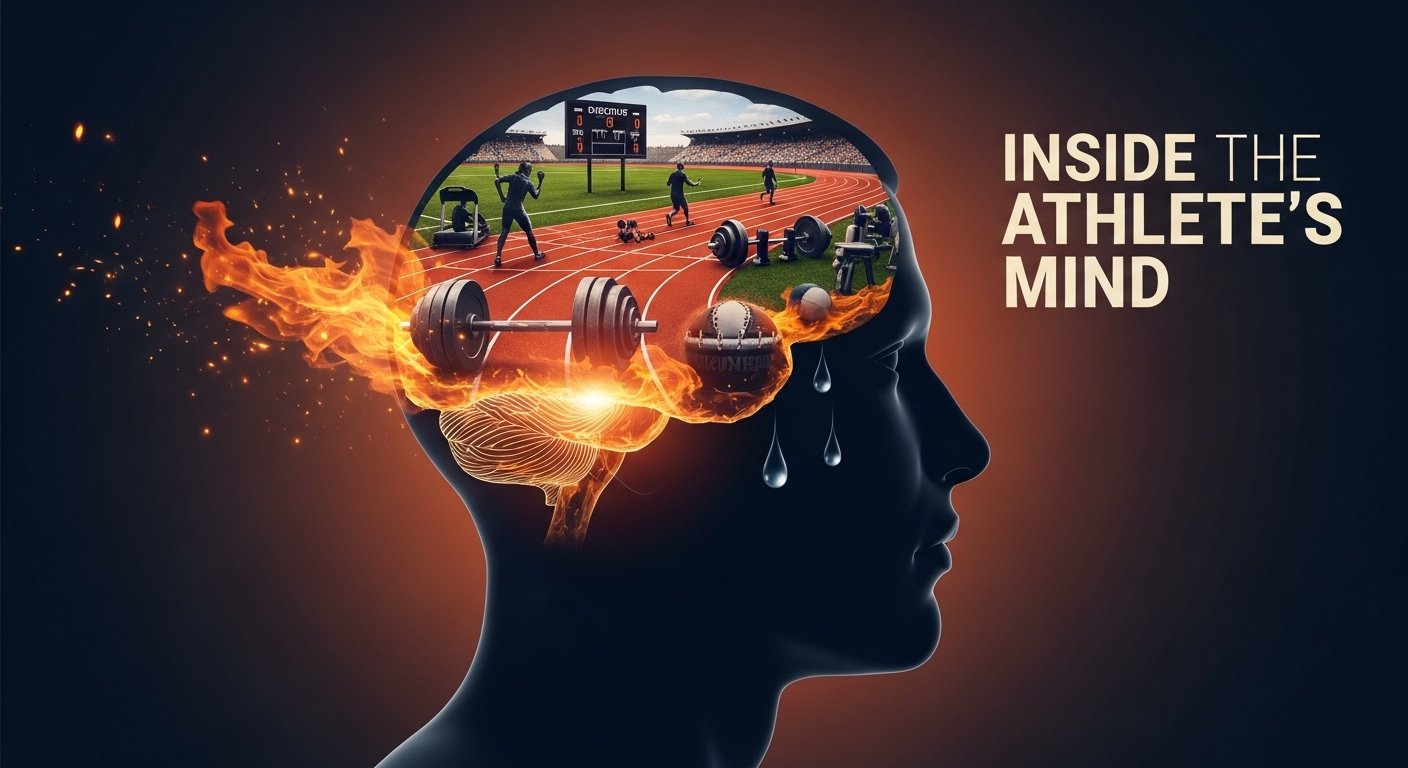
Beneath every record, trophy, and medal lies the mental battle that defines true champions. Sports psychology explores the mental aspects of performance — focus, confidence, resilience, and motivation.
Athletes often speak of entering a “zone” or “flow state,” a heightened sense of concentration where every movement feels natural and effortless. Achieving this mental balance requires immense discipline and emotional control. The pressure of expectations, the fear of failure, and the weight of public scrutiny can break even the most talented athletes if not managed properly.
Coaches and psychologists now work hand in hand to build mental toughness. Visualization, mindfulness, and breathing techniques are part of the mental toolkit of elite athletes. The ability to bounce back from losses, to stay calm under pressure, and to remain motivated during years of preparation — these are the hallmarks of greatness.
Sports and the Spirit of Teamwork
While individual sports celebrate personal excellence, team sports highlight the power of unity. A team’s success depends not only on talent but also on communication, trust, and mutual respect.
In sports like football, basketball, hockey, or volleyball, teamwork transforms individual skill into collective brilliance. The synchronized movements of players, the shared strategy, and the emotional bond built through victories and defeats create something larger than the sum of its parts.
Team sports teach essential life lessons: cooperation, leadership, and selflessness. They show that glory is best shared, and that every role, whether visible or not, contributes to success. The camaraderie formed in locker rooms often extends beyond the field, building lifelong friendships and values.
The Role of Sports in Education and Youth Development
Sports play a vital role in shaping young minds and bodies. Schools that emphasize physical education and organized sports promote discipline, time management, and teamwork. Young athletes learn to balance academic pursuits with physical training, developing resilience that serves them well throughout life.
Participation in sports builds confidence and social skills. It teaches children how to handle victory with humility and defeat with dignity. It encourages inclusivity, breaking down social and cultural barriers. For many young people, sports offer a path to self-discovery and even a career.
Moreover, youth sports cultivate healthy habits that combat sedentary lifestyles and mental health challenges. In a digital era dominated by screens, physical activity remains one of the best ways to maintain both physical and emotional well-being.
The Business and Global Industry of Sports
Sports have grown into one of the most powerful industries on the planet. The global sports market — including broadcasting, sponsorships, merchandise, and tourism — generates hundreds of billions of dollars annually. Major events like the Super Bowl, the Olympic Games, and the FIFA World Cup attract massive audiences and corporate investment.
Athletes have become global brands, their names synonymous with excellence and inspiration. Endorsements, apparel lines, and social media influence have turned top athletes into cultural icons. Clubs and franchises operate as complex business entities, balancing athletic goals with financial strategy.
While commercialization has brought immense opportunities, it has also raised concerns about fairness, corruption, and the true spirit of competition. Maintaining the balance between business interests and sportsmanship remains an ongoing challenge.
Women in Sports: Breaking Boundaries and Inspiring Change
The story of women in sports is one of perseverance and progress. For centuries, societal norms restricted female participation in athletics, deeming it inappropriate or unnecessary. But women across generations challenged these barriers, paving the way for equality and recognition.
Trailblazers like Billie Jean King, Serena Williams, Simone Biles, and Megan Rapinoe not only excelled in their respective sports but also used their platforms to advocate for gender equality and fair pay. The inclusion of women’s events in the Olympics and the rise of professional leagues have significantly advanced visibility and opportunity.
Women’s sports are now thriving at both grassroots and professional levels. Yet challenges remain — unequal funding, media coverage, and representation still persist. The ongoing fight for equality in sports continues to inspire movements for justice and empowerment across all areas of society.
Sports, Media, and the Digital Revolution
The relationship between sports and media has evolved dramatically. Radio brought live commentary into homes; television made athletes global stars; and now digital platforms allow fans to engage in real time from anywhere in the world.
Social media has transformed athletes into influencers, giving them direct voices beyond the control of traditional media. Streaming services have made sporting events more accessible, while virtual reality and advanced analytics offer immersive experiences for fans.
However, this digital shift also brings new pressures — constant visibility, public scrutiny, and the rise of online criticism. Athletes now navigate not only physical competition but also digital identity. Despite these challenges, technology continues to enhance fan engagement and preserve sports’ universal appeal.
The Power of Sports in Society and Culture
Sports hold a mirror to society. They reflect social values, struggles, and aspirations. Throughout history, athletic events have been stages for political and cultural statements. From Tommie Smith and John Carlos raising their fists at the 1968 Olympics to Colin Kaepernick kneeling in protest against racial injustice, athletes have used sports as a platform for change.
Sports also serve as cultural glue. They unite communities across class and race, offering shared joy and pride. Local clubs and national teams often symbolize collective identity — the heartbeat of a city or nation. Moments of triumph, like a World Cup victory or an Olympic gold medal, become part of a nation’s story, remembered for generations.
The Role of Sports in Health and Well-being
Beyond competition and entertainment, sports are crucial for physical and mental health. Regular participation in physical activity reduces the risk of chronic diseases such as diabetes, obesity, and heart problems. It strengthens muscles, improves coordination, and boosts energy levels.
On the psychological side, sports release endorphins — the “feel-good” hormones that reduce stress and improve mood. They foster discipline, focus, and resilience, helping individuals cope with daily challenges. Community sports programs provide social connection and a sense of belonging, vital for mental wellness.
As public health awareness grows, promoting active lifestyles through sports is more important than ever. Governments and organizations around the world continue to invest in accessible facilities and programs that encourage participation at every age.
The Ethics and Challenges in Modern Sports
Despite its glory, modern sports face ethical challenges. Issues such as doping, corruption, match-fixing, and exploitation tarnish the integrity of competition. The temptation to gain an unfair advantage through performance-enhancing substances remains a constant battle for governing bodies.
Financial inequalities between clubs and nations also create disparities in opportunities and outcomes. Moreover, the immense pressure to perform can lead to burnout and mental health issues among athletes. Ensuring the safety, dignity, and fairness of all participants remains the central ethical duty of sports institutions.
Another modern issue is the balance between inclusivity and fairness, particularly in discussions around gender identity in competition. As sports continue to evolve, new frameworks and conversations are needed to ensure both equality and integrity.
The Environmental Impact of Sports
In recent years, the conversation about sustainability has reached the sports world. Major events and infrastructure projects have significant environmental footprints, from energy consumption to waste generation. However, many organizations and athletes are now leading the push for eco-friendly practices.
The concept of “green sports” encourages renewable energy use, waste reduction, and sustainable transportation for events. Stadiums are being built with environmentally responsible materials, and campaigns raise awareness about conservation through sporting influence. As global icons, sports organizations have the power to inspire environmental consciousness on a massive scale.
The Future of Sports: Innovation and Inclusion
The future of sports will be defined by technology, diversity, and innovation. Virtual reality training, wearable sensors, and artificial intelligence are already reshaping how athletes train and how fans experience games. Esports — competitive video gaming — has emerged as a legitimate sport, attracting millions of viewers and participants.
Inclusion will remain a guiding principle. Adaptive sports for athletes with disabilities, such as the Paralympic Games, have transformed perceptions of ability and resilience. The continued growth of women’s and youth sports will expand participation and representation worldwide.
Ultimately, the heart of sports will remain unchanged — the pursuit of excellence, the thrill of competition, and the celebration of human potential.
Conclusion: The Enduring Spirit of the Game
Sports are humanity’s living story of passion, perseverance, and progress. They embody our deepest instincts — to compete, to connect, and to celebrate life itself. Every race run, every game played, and every record broken echoes the timeless truth that greatness lies not only in victory but in the courage to try.
In a world divided by differences, sports remind us of our shared humanity. Whether it’s a child kicking a ball on a dusty street or an athlete standing on an Olympic podium, the spirit is the same — to push beyond limits, to believe, and to belong.
Sports will continue to evolve, but their essence will always remain a testament to the human spirit — enduring, unifying, and forever inspiring.