
Introduction
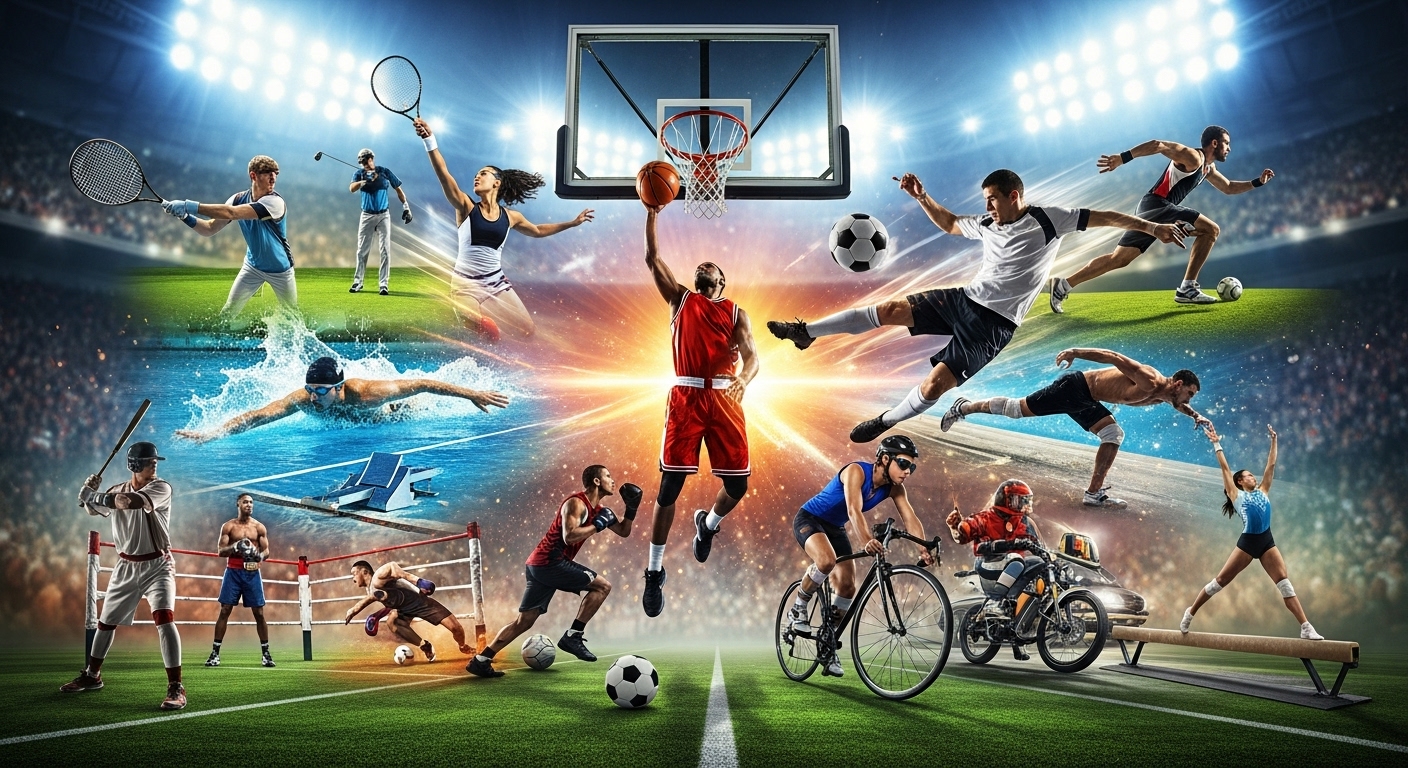
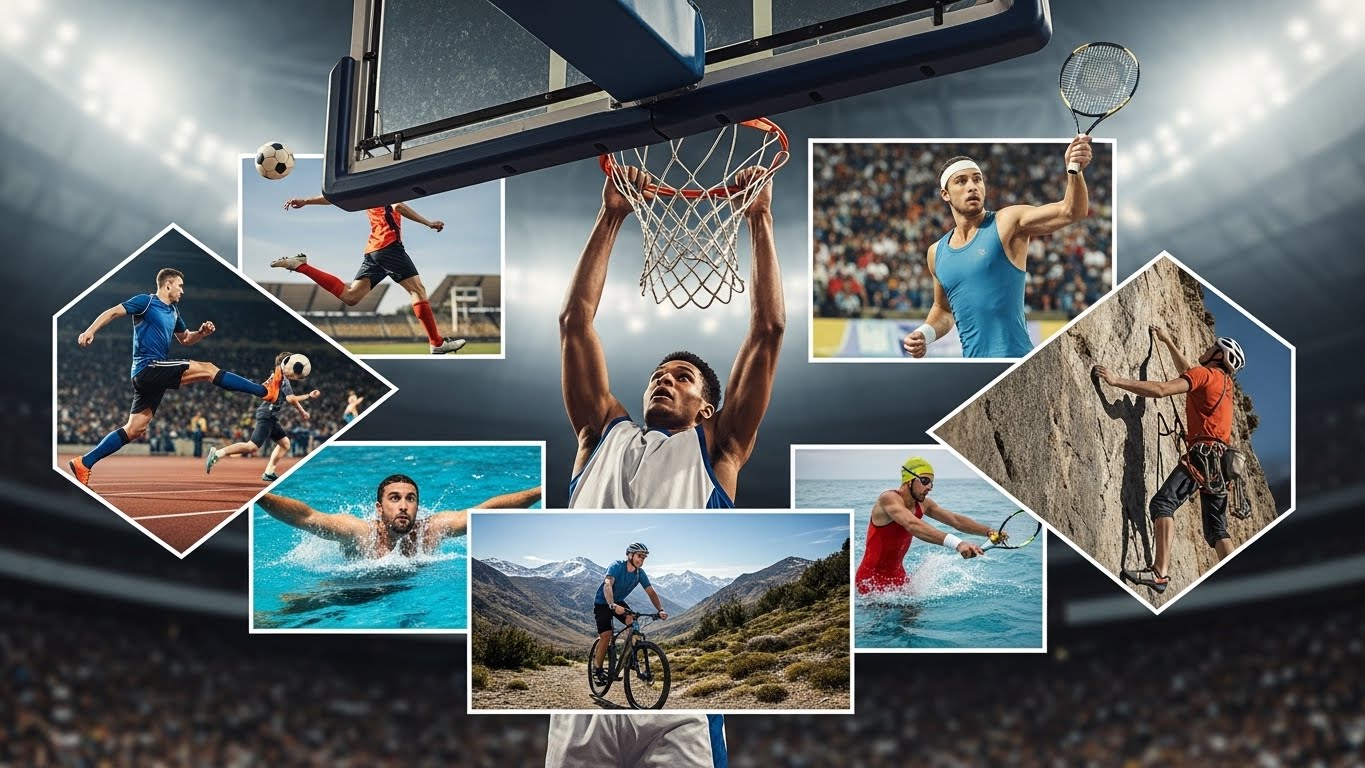
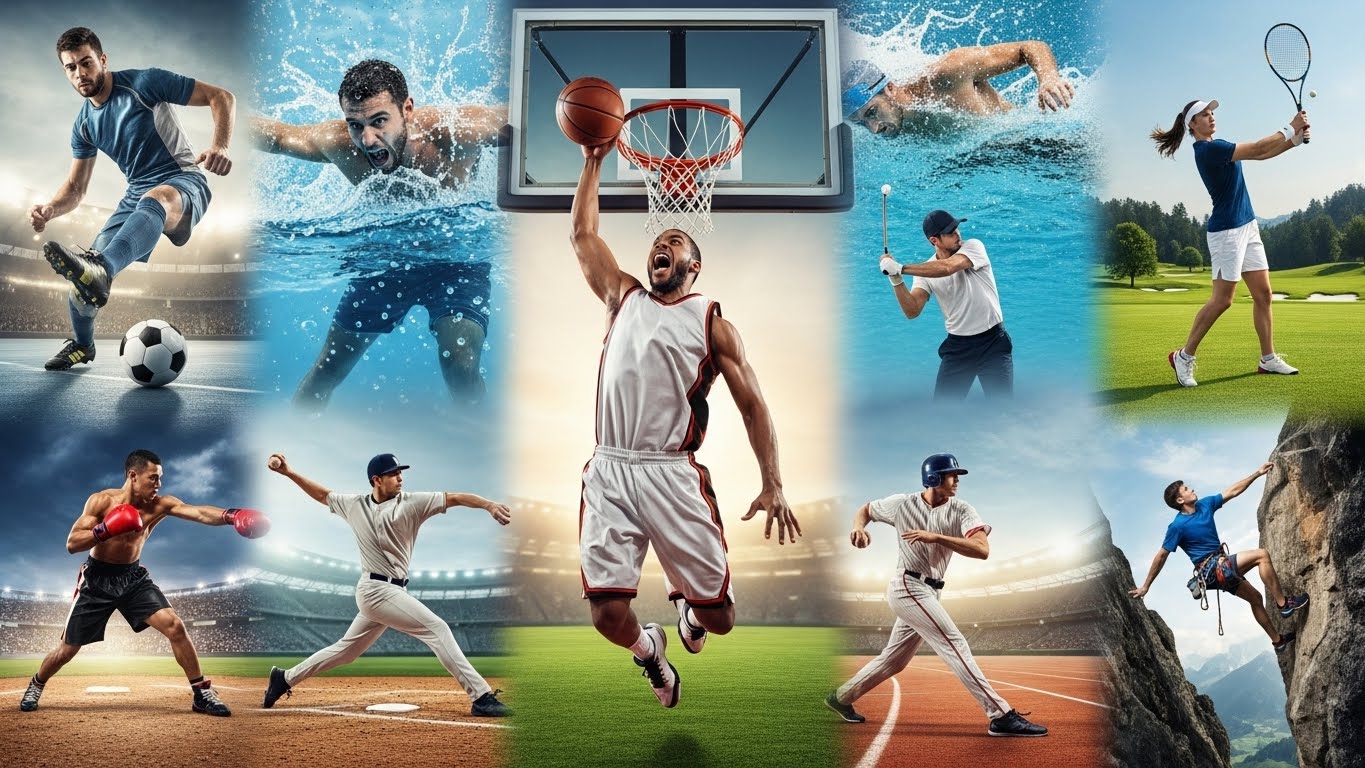
Sports have always been more than a display of physical strength or competition. They represent a deep human need to connect, to strive, and to overcome. From ancient games carved into the sands of history to modern arenas filled with roaring crowds, sports have shaped societies, built character, and ignited passion across generations. The value of sports goes beyond the scoreboards; it lies in the spirit of perseverance, discipline, and teamwork that defines every athlete. Whether one plays for glory, health, or pure joy, sports remind us that greatness is born from effort, not ease.
The Origins and Evolution of Sports
Sports trace their origins to ancient civilizations that used games to celebrate bravery, strength, and unity. The Greeks introduced the Olympic Games, where athletes competed not for money but for honor and pride. In Egypt and Rome, wrestling, archery, and chariot racing were forms of entertainment and skill. In Asia, martial arts developed as both spiritual and physical training. Over time, these traditions evolved into organized sports with rules, leagues, and global recognition. What started as local pastimes has now grown into an industry that connects billions through shared enthusiasm and respect for talent.
The Power of Physical Fitness in Sports
At the heart of every sport lies the pursuit of physical fitness. Sports demand endurance, agility, and balance. They train the body to perform beyond comfort and push limits that the mind often doubts. Engaging in sports helps maintain a healthy lifestyle by improving cardiovascular health, muscle strength, and flexibility. It also boosts energy and enhances immune function. In a time when technology has made life more sedentary, sports act as a reminder of the body’s true potential. They teach us that physical well-being is not only about looking fit but feeling strong and capable.
Sports as a Mental and Emotional Teacher
While sports build the body, they also strengthen the mind. Every athlete experiences moments of pressure, failure, and doubt. Overcoming those challenges develops resilience and mental toughness. Sports teach focus, patience, and emotional control. Winning requires confidence, but losing demands courage, and both are equally valuable lessons. The competitive environment of sports mirrors life itself, where success and failure coexist. Learning how to bounce back after a setback prepares individuals to face real-world struggles with determination and optimism.
The Spirit of Teamwork and Cooperation
No matter how skilled an individual is, success in most sports depends on teamwork. Every player in a team has a role that contributes to victory. Communication, trust, and mutual respect are the foundation of any successful team. Through teamwork, individuals learn to put collective goals above personal desires. This cooperation extends beyond the field into daily life, where collaboration and unity are essential. The message is clear: when people work together with shared purpose and trust, they achieve far more than they could alone.
The Role of Discipline and Dedication in Sports
Sports are a lifelong lesson in discipline. Athletes follow strict routines, train at odd hours, and make sacrifices most people overlook. They adhere to diets, maintain consistency, and respect schedules. This discipline becomes a part of their character, guiding them in other aspects of life. Dedication to improvement, even in the face of exhaustion, is what separates champions from dreamers. Sports show that talent may open doors, but discipline and persistence determine how far one goes through them. Every medal and trophy tells a story of patience and commitment that words alone cannot describe.
Women in Sports: Redefining Strength and Equality
The rise of women in sports is a story of courage and transformation. For decades, women had to fight societal barriers that denied them recognition and opportunities. Yet, they persevered and proved that skill and strength are not defined by gender. Today, female athletes inspire millions worldwide with their achievements in fields once dominated by men. Their success represents progress not just in sports but in society as a whole. Women’s participation has brought diversity, balance, and empowerment to the world of athletics, showing that passion knows no boundaries.
Sports and Youth Development
For young people, sports play an essential role in personal growth. They teach discipline, leadership, and accountability from an early age. Children who participate in sports learn to manage time, respect authority, and handle success and failure gracefully. Sports also encourage social interaction, helping youth develop communication skills and build friendships. Beyond competition, they create a sense of belonging and purpose. When guided properly, sports can shape young minds into responsible, confident, and goal-oriented adults. The lessons learned on the playground often stay with them for life.
Sportsmanship: The True Essence of Competition
The value of sports lies not only in winning but in how the game is played. True sportsmanship is about fairness, integrity, and respect. It is the courage to admit defeat gracefully and the humility to celebrate victory modestly. Sportsmanship builds moral character, reminding everyone that competition is meant to uplift, not divide. Athletes who display respect toward opponents, teammates, and officials embody the highest ideals of the sport. A true champion is remembered not only for skill but for spirit, honesty, and honor.
Sports as a Source of Global Unity
Few things bring the world together like sports. During major events such as world championships or the Olympics, people from diverse backgrounds cheer side by side, forgetting political or cultural differences. Sports have the power to heal divisions, promote peace, and inspire cooperation among nations. When athletes exchange gestures of friendship after intense rivalry, they send a powerful message that humanity transcends competition. Sports serve as a universal language that speaks of hope, respect, and togetherness in a world often divided by conflict.
The Economic and Social Impact of Sports
Sports have become a major driving force in global economies. They create employment, attract tourism, and encourage investment in infrastructure. Stadiums, training facilities, and sporting events generate opportunities for thousands of people. Beyond economics, sports play a vital social role by promoting healthy living, community engagement, and national pride. They also serve as platforms for social change, raising awareness about issues like equality, education, and environmental sustainability. When managed ethically, the influence of sports extends far beyond entertainment into the realm of progress and unity.
The Role of Technology in Modern Sports
The integration of technology has revolutionized the way sports are played, trained, and watched. Advanced equipment, performance tracking devices, and data analytics have improved accuracy and efficiency. Coaches use technology to study player performance, while athletes rely on it for personalized training. Audiences enjoy high-definition broadcasts and virtual replays that enhance viewing experiences. Technology has also made sports safer, with innovations in protective gear and injury prevention. Despite all these advancements, the essence of sports remains human effort and emotion, reminding us that machines may assist, but they can never replace passion.
Challenges in the Modern Sporting World
Despite its global appeal, the world of sports faces several challenges. Doping scandals, corruption, and commercialization have occasionally overshadowed fair competition. Many young athletes from developing regions struggle to find opportunities due to lack of resources. Gender inequality and financial exploitation continue to limit potential. Moreover, the pressure to perform often leads to mental health issues among players. Addressing these challenges requires transparency, ethical leadership, and mental health awareness. The future of sports depends on preserving its integrity and ensuring that passion, not profit, remains its foundation.
Sports and Emotional Connection with Fans
Sports evoke emotions that few other experiences can match. The joy of a last-minute goal, the heartbreak of a missed shot, or the pride of seeing one’s country win unites millions of hearts. Fans form deep emotional connections with teams and players, making sports a part of their identity. These emotional ties go beyond logic—they are about loyalty, belonging, and shared dreams. Fans celebrate victories like personal triumphs and endure defeats with unwavering faith. This bond between athletes and supporters keeps the spirit of sports alive, turning games into moments of collective memory.
The Future of Sports and Human Aspiration
As the world evolves, so will sports. Emerging disciplines, digital gaming, and inclusive platforms are expanding the definition of athletics. Future sports will likely focus more on sustainability, inclusivity, and technology. However, the human desire to compete, to win, and to connect will always remain the same. The next generation of athletes will face new challenges but will also redefine what is possible. The future of sports is not just in faster records or smarter gear but in keeping alive the timeless spirit of determination and unity that defines humanity.
Conclusion
Sports stand as one of the most powerful reflections of human nature. They represent our drive to improve, our will to endure, and our longing to connect. From playgrounds to global arenas, sports continue to shape lives, build communities, and inspire hope. They teach lessons that go far beyond victory—lessons of discipline, teamwork, respect, and perseverance.
In every athlete’s sweat and every fan’s cheer lies a common truth: sports unite us in our shared humanity. They remind us that while competition fuels progress, compassion sustains it. Long after the final whistle blows, what remains is not the score, but the spirit of striving, learning, and believing. Sports, in their purest form, are a timeless celebration of life itself—a never-ending journey where effort becomes glory and unity becomes victory.