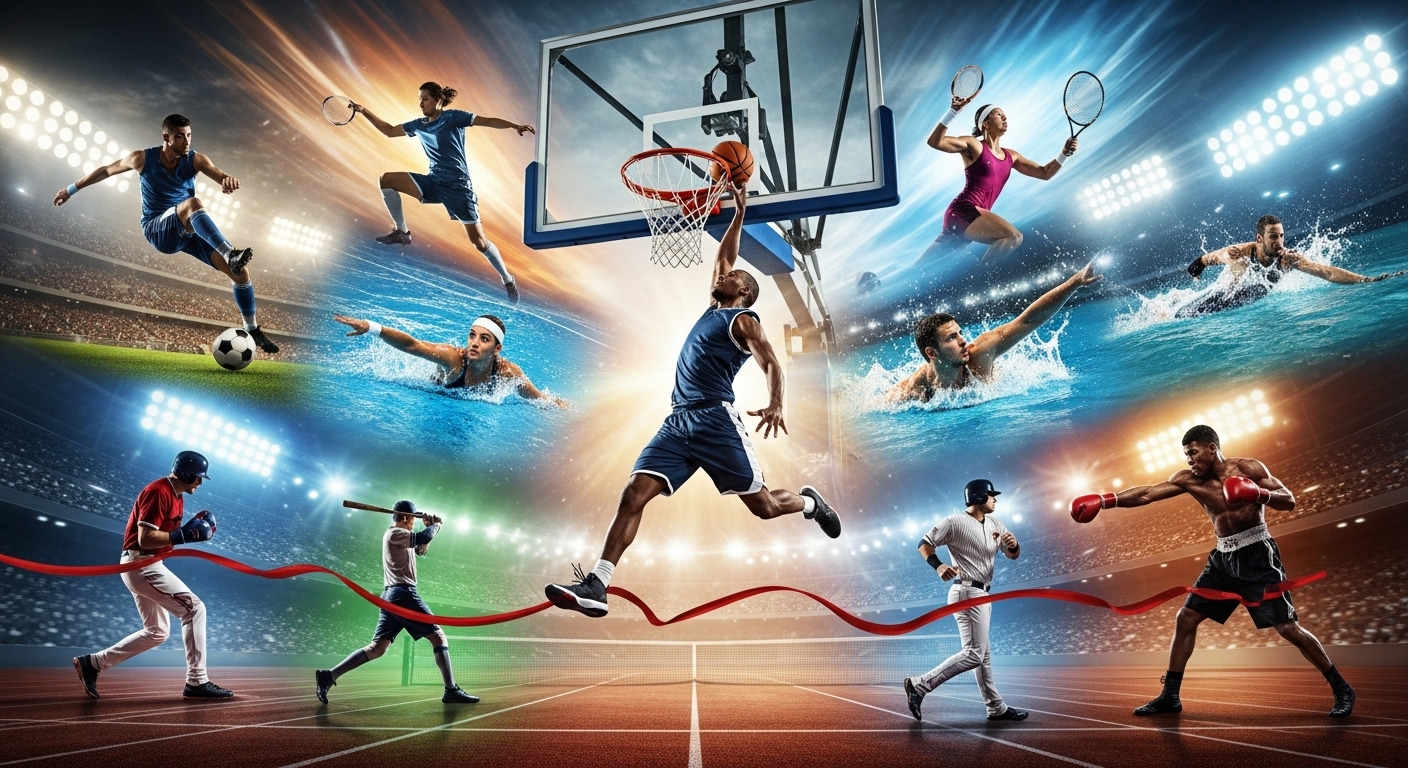

Sports are far more than a simple pastime or a way to stay fit. From the roar of stadiums to the quiet moments of personal triumph, sports influence our lives on multiple levels—physical, mental, social, and even cultural. Whether professional or recreational, sports have the power to unite, inspire, and transform individuals and communities. In this blog post, we will explore the multifaceted impact of sports and why they remain an essential part of human society.
The Universal Language of Sports
One of the most remarkable aspects of sports is its universality. Across continents, cultures, and generations, sports connect people through shared experiences. Football in Europe, cricket in South Asia, basketball in the United States, and rugby in New Zealand all transcend cultural boundaries. Even when language and traditions differ, the thrill of competition, teamwork, and personal achievement speaks a universal language. Sports allow us to celebrate human potential and shared passion without needing to speak the same words.
The Olympic Games are a perfect example of this universality. Athletes from nearly every nation compete, representing their countries while showcasing the power of dedication and skill. While medals and records are celebrated, the deeper value lies in the cultural exchange, sportsmanship, and the shared joy of witnessing extraordinary human performance.
Physical Benefits: More Than Just Fitness
At the most basic level, sports keep the body healthy. Regular physical activity strengthens the heart, muscles, and bones while improving flexibility, balance, and endurance. Beyond these physical benefits, sports also help prevent chronic illnesses such as obesity, diabetes, and cardiovascular diseases.
Participating in sports from a young age establishes healthy habits that often last a lifetime. Team sports, in particular, promote coordination, motor skills, and the ability to strategize while under physical strain. Individual sports, on the other hand, teach discipline, focus, and perseverance. Together, they create a holistic approach to physical well-being.
Sports also help regulate stress hormones and improve sleep patterns. The simple act of moving, competing, and pushing personal limits releases endorphins, chemicals in the brain that act as natural mood lifters. Athletes often describe a feeling of euphoria known as the “runner’s high,” a powerful reminder of the mind-body connection facilitated through sports.
Mental Resilience Through Sports
While the physical advantages of sports are obvious, the mental benefits are equally profound. Competing in sports requires focus, determination, and the ability to handle both victory and defeat. These experiences cultivate resilience—a skill that extends far beyond the playing field.
Learning to deal with failure is perhaps the most critical mental lesson that sports teach. A lost match or a missed goal can be a source of disappointment, but athletes quickly learn to analyze mistakes, adapt, and improve. This ability to overcome setbacks translates into real-life situations, making individuals more resilient in their personal and professional lives.
Sports also enhance cognitive skills such as problem-solving, strategic thinking, and decision-making. Games like chess, basketball, and soccer require players to anticipate opponents’ moves, adjust tactics in real time, and make split-second decisions. These mental exercises strengthen the brain, improving focus, memory, and analytical thinking.
Social Impact: Building Communities
Sports have a unique ability to build social bonds. Whether through local leagues, school teams, or professional clubs, sports bring people together and foster a sense of community. Shared goals, teamwork, and collective victories create strong social ties that transcend individual differences.
In addition to connecting teammates, sports also unite fans. The communal experience of cheering for a team, celebrating wins, and mourning losses creates a shared identity and strengthens social cohesion. Fans often form lifelong friendships based on mutual passion for a sport or team, proving that the social power of sports extends beyond the athletes themselves.
Moreover, sports can be a powerful tool for social change. Initiatives that promote inclusivity, gender equality, and access to physical activity help break down social barriers. Programs that introduce sports to underprivileged communities empower young people, teach life skills, and foster hope for a better future.
Life Lessons Learned on the Field
Sports teach lessons that extend far beyond athletic performance. Discipline, commitment, and time management are ingrained in athletes from the moment they start training. Balancing practice schedules, competitions, and personal responsibilities requires planning and dedication—skills that are invaluable in everyday life.
Sports also instill a strong sense of ethics and fairness. The rules of a game teach players about integrity, respect for others, and the importance of following agreed-upon guidelines. These lessons help shape individuals who are not only successful in sports but also responsible citizens.
Another vital life lesson from sports is the value of teamwork. While individual achievement is celebrated, most sports require collaboration, communication, and trust. Learning to work with others toward a common goal builds empathy and social intelligence, qualities that are essential in personal and professional relationships.
The Role of Technology in Modern Sports
Technology has revolutionized the world of sports, enhancing both performance and the fan experience. From advanced training equipment and wearable devices to sophisticated analytics, technology allows athletes to reach new heights. Performance tracking tools help players monitor their progress, refine techniques, and prevent injuries, while virtual reality simulations provide realistic training scenarios without physical risk.
For fans, technology has transformed the way we engage with sports. High-definition broadcasts, instant replays, and interactive apps offer immersive experiences that bring the excitement of the game closer to audiences than ever before. Social media allows fans to connect directly with athletes and teams, creating a dynamic community that transcends traditional boundaries.
Sports as a Career Path
For some, sports become more than a passion—they become a career. Professional athletes, coaches, sports psychologists, and sports scientists all contribute to the ecosystem of competitive athletics. While the journey to professional sports is challenging, it offers opportunities for personal growth, global recognition, and financial rewards.
However, the pursuit of a sports career also requires sacrifices. Athletes often dedicate years to training, endure physical strain, and face intense competition. Success is rarely guaranteed, making resilience and adaptability critical qualities for anyone aspiring to turn their passion into a profession.
Beyond playing professionally, sports-related careers also offer avenues in management, media, and research. Sports journalism, athletic training, and event management allow individuals to combine their love of sports with professional expertise, contributing to the growth of the industry in multiple ways.
The Cultural Significance of Sports
Sports are deeply intertwined with culture, history, and national identity. Iconic events like the FIFA World Cup, the Super Bowl, and the Wimbledon Championships are not merely competitions—they are cultural phenomena that inspire pride, emotion, and collective memory.
Local sports traditions and games often carry historical significance, reflecting the values and identity of a community. In many societies, sports festivals and tournaments mark important seasonal or cultural events, creating a shared heritage that is passed down through generations.
Moreover, sports often serve as a platform for social commentary. Athletes have historically used their visibility to advocate for social justice, equality, and human rights, demonstrating the powerful intersection of sports and society.
Conclusion: Sports as a Way of Life
Sports are far more than a pastime—they are a reflection of human ambition, resilience, and unity. They provide physical fitness, mental clarity, social connection, and valuable life lessons that extend far beyond the field. Whether played professionally or casually, sports foster personal growth, cultural pride, and community cohesion.
The next time you watch a game, participate in a match, or cheer for a favorite team, remember that sports are not just about winning or losing. They are about the journey, the lessons learned, and the connections forged. In every kick, swing, and sprint, sports remind us of the limitless potential of human effort and the enduring power of shared passion.