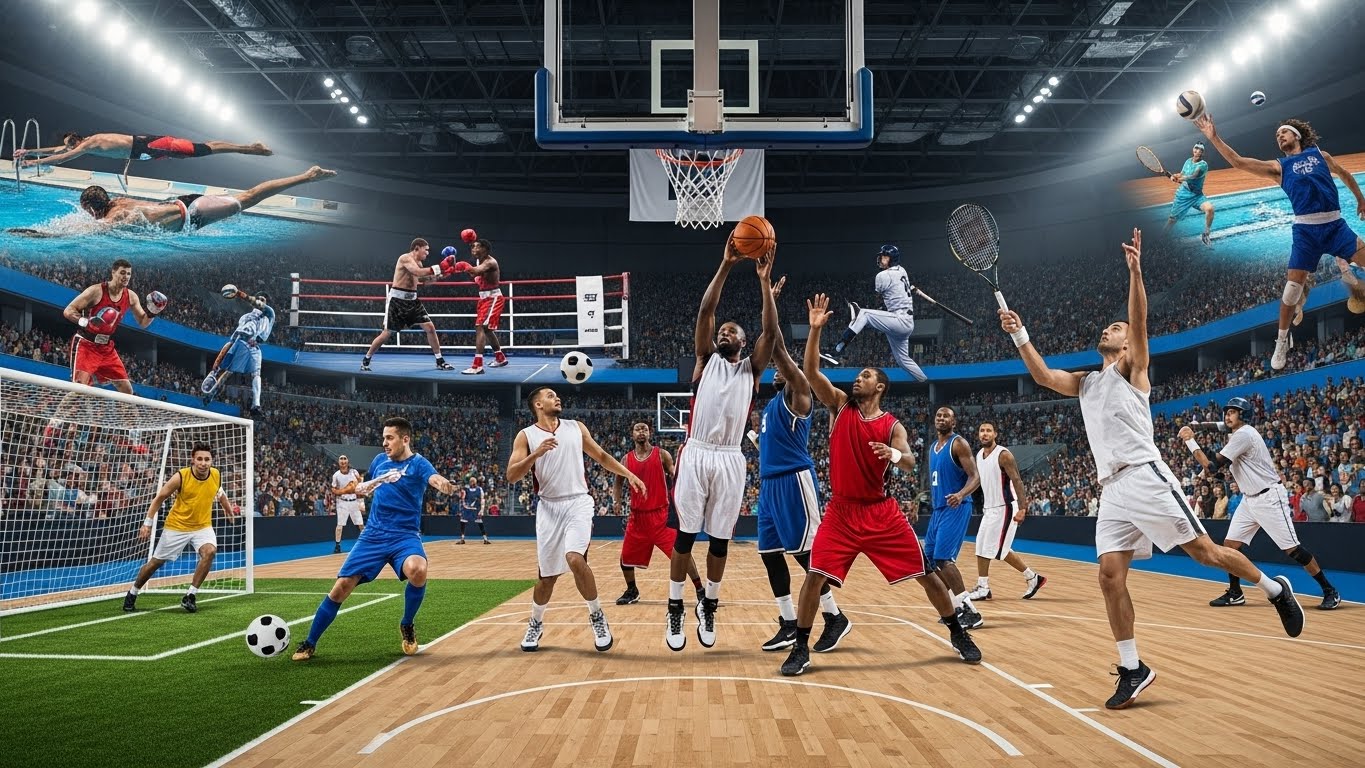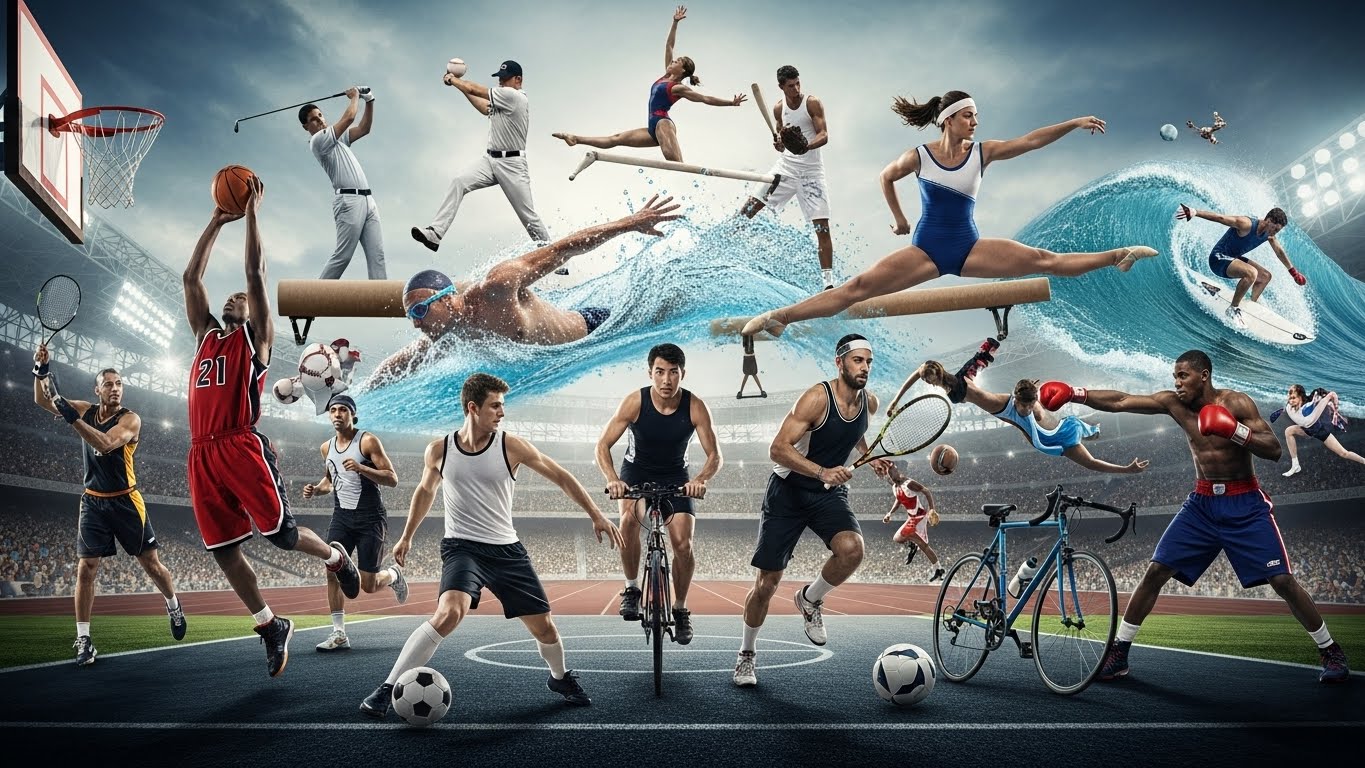
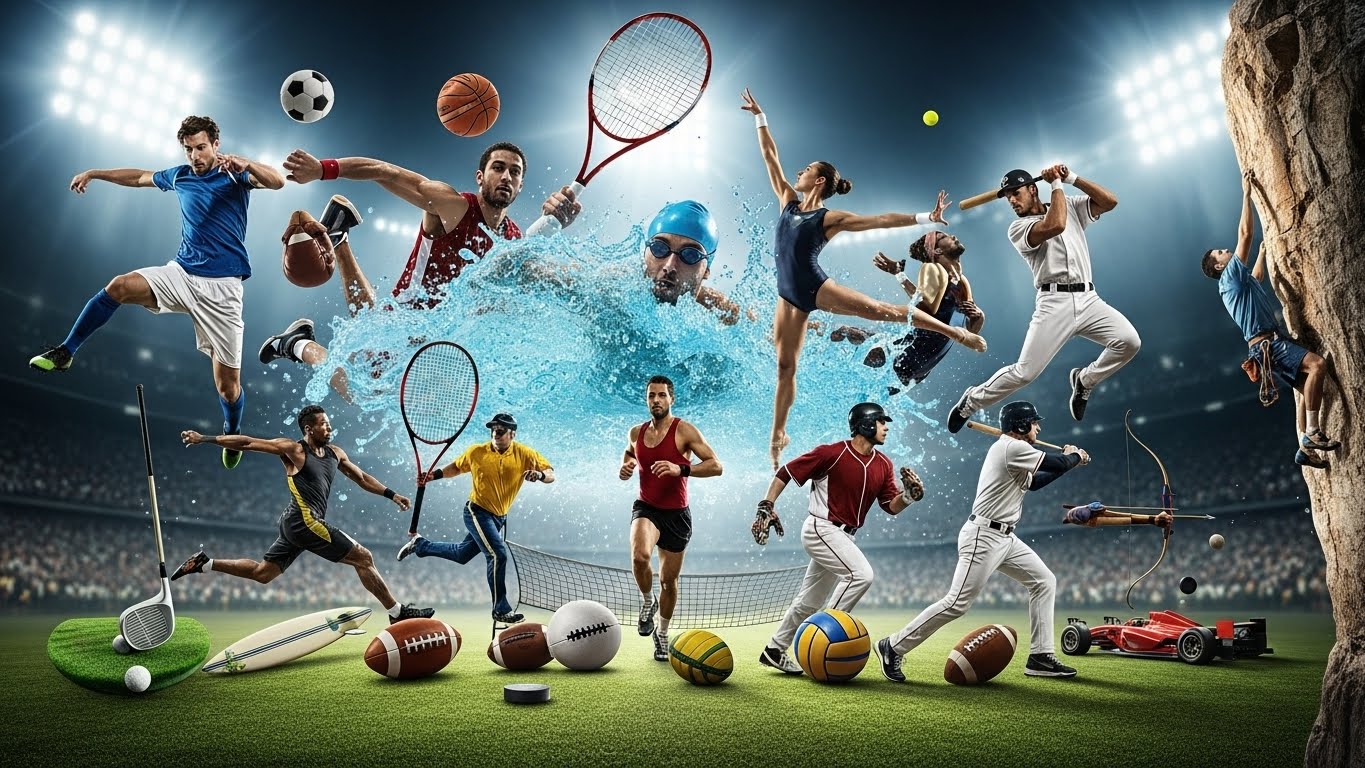
Sports have always been more than just a form of entertainment. They are a reflection of culture, a driver of health, and a powerful tool for social and personal development. From grassroots activities in local communities to global competitions watched by millions, sports connect people, inspire excellence, and teach valuable life lessons. This blog explores the evolution of sports, their physical and mental benefits, cultural significance, and the way they continue to shape modern society.
The Origins of Sports: A Historical Perspective
The history of sports dates back thousands of years. Ancient civilizations engaged in physical competitions to showcase strength, skill, and strategy. In ancient Greece, the Olympic Games honored gods while promoting athletic excellence and unity among city-states. Traditional sports in Asia, Africa, and the Americas reflected cultural values, rituals, and community bonds.
These early games served multiple purposes: entertainment, education, military training, and social cohesion. Over centuries, informal competitions evolved into organized sports with codified rules, international tournaments, and professional leagues. This evolution highlights humanity’s enduring fascination with physical challenge and competitive spirit.
Physical Benefits of Sports
One of the most obvious advantages of sports is improved physical health. Regular participation enhances cardiovascular fitness, strengthens muscles, improves flexibility, and increases stamina. Sports reduce the risk of chronic illnesses such as obesity, diabetes, and heart disease.
Different sports target various aspects of physical development. Running, swimming, and cycling improve endurance, while strength-based activities like weightlifting and gymnastics build muscle and coordination. Team sports enhance agility, speed, and reflexes. Beyond performance, regular activity through sports instills lifelong habits of fitness and wellness.
Mental Health Benefits of Sports
Sports also have a profound impact on mental health. Physical activity stimulates the release of endorphins, reducing stress, anxiety, and depression. Regular engagement in sports contributes to better sleep, improved focus, and elevated mood.
Participation in competitive and recreational sports enhances cognitive skills such as concentration, strategic thinking, and problem-solving. Team sports teach communication, leadership, and collaboration, while individual sports foster self-discipline and goal-setting. By combining physical and mental challenges, sports provide a holistic approach to well-being.
Team Sports and Social Development
Team sports play a crucial role in social development. Athletes learn to collaborate, respect teammates, and work toward shared goals. Playing in teams teaches individuals how to manage conflicts, motivate others, and build trust.
Communities also benefit from organized sports. Local leagues, school competitions, and recreational clubs provide opportunities for social interaction, fostering friendship and camaraderie. The collective experience of working together and celebrating achievements strengthens bonds and instills a sense of belonging.
Sports in Education
Sports are an integral part of education. Schools and universities include physical education programs to promote fitness, discipline, and personal growth. Student-athletes develop time management skills, balancing academic responsibilities with training and competitions.
Participation in school sports cultivates resilience, perseverance, and teamwork. Intercollegiate competitions and scholarships provide pathways for talented athletes to pursue higher education while continuing their athletic careers. Educational programs highlight the role of sports in shaping character, building confidence, and encouraging lifelong learning.
Cultural Significance of Sports
Sports are deeply intertwined with culture and identity. International competitions like the Olympics, World Cup, and regional championships evoke national pride and unity. Victories in sports can uplift entire nations, creating shared memories and cultural touchstones.
Traditional sports and indigenous games preserve cultural heritage and values. Activities like sumo wrestling, kabaddi, and lacrosse are not just games; they are cultural expressions that carry history and tradition. Through sports, societies celebrate diversity, connect generations, and promote cultural understanding.
Professional Sports and Global Entertainment
Professional sports have become a global industry, attracting millions of viewers, sponsors, and media coverage. Leagues, tournaments, and championships provide entertainment while creating economic opportunities for players, coaches, and supporting industries.
Athletes become role models, inspiring youth to pursue physical activity and develop positive habits. The business side of sports includes broadcasting, merchandising, sponsorships, and event management. Professional sports bridge culture and commerce, providing excitement, entertainment, and economic growth.
The Impact of Technology on Sports
Technology has transformed the way sports are played, watched, and analyzed. Wearable devices track performance, monitor health, and prevent injuries. Video analysis, instant replays, and performance analytics enhance training and competition accuracy.
Emerging technologies such as virtual reality and augmented reality allow fans to experience sports more immersively. Digital platforms enable global access to live events, interactive content, and training resources. Technology not only improves performance and fan engagement but also revolutionizes the way sports are consumed and experienced.
Sports and Youth Development
Sports play a vital role in the development of young people. Participation encourages physical fitness, teamwork, discipline, and goal-setting. Youth programs, clubs, and school teams provide structured environments for skill development and social interaction.
Early exposure to sports instills confidence, resilience, and a sense of achievement. It teaches children the value of hard work, dedication, and fair play. Engaging youth in sports also promotes inclusivity, community involvement, and lifelong healthy habits.
Women in Sports
The participation of women in sports has grown significantly over the past century. Female athletes have broken barriers, challenged stereotypes, and achieved global recognition. Women’s leagues, international tournaments, and inclusive initiatives continue to increase opportunities and visibility.
Sports empower women by fostering confidence, leadership, and equality. Representation of female athletes inspires future generations and challenges societal norms. Gender equality in sports remains a crucial focus, ensuring that everyone has the opportunity to benefit from physical activity, competition, and personal growth.
The Psychological Power of Competition
Competition is a core element of sports. Healthy competition encourages improvement, motivation, and goal achievement. Winning instills confidence and pride, while losing teaches resilience, humility, and adaptability.
Sports provide a structured environment to experience pressure, overcome challenges, and manage emotions. Athletes develop mental toughness, focus, and perseverance, skills that are transferable to personal, academic, and professional life. Competition within sports strengthens character and promotes lifelong resilience.
Global Sports Events and Diplomacy
International sporting events promote cultural exchange, diplomacy, and global unity. Competitions like the Olympics, FIFA World Cup, and international marathons bring countries together and foster mutual respect.
Sports diplomacy uses shared interests to bridge cultural, political, and social divides. Athletes serve as ambassadors, representing values of fairness, teamwork, and perseverance. Global events create a platform for cooperation, celebration, and understanding, demonstrating the unifying power of sports.
The Role of Sports in Health Awareness
Sports are an effective platform for promoting health awareness. Athletes and organizations use visibility to advocate fitness, nutrition, mental health, and disease prevention. Major sporting events often integrate campaigns to educate the public on wellness and healthy lifestyles.
Participation in sports teaches individuals about physical limits, injury prevention, and recovery. Knowledge about nutrition, exercise, and sports science encourages informed decisions about health. Through awareness and engagement, sports play a critical role in promoting holistic well-being.
Adaptive and Inclusive Sports
Sports are increasingly embracing inclusivity. Adaptive sports programs provide opportunities for individuals with disabilities to participate and compete at various levels. Events such as the Paralympics showcase talent, determination, and resilience, inspiring audiences globally.
Inclusive sports initiatives foster equality, accessibility, and representation. They highlight the universal appeal of athletic participation and demonstrate that sports can empower individuals of all abilities. Adaptation and inclusion ensure that sports remain a platform for opportunity and personal growth.
The Future of Sports
The future of sports is dynamic, inclusive, and technology-driven. Advancements in training, analytics, and wearable technology will continue to enhance athlete performance. Virtual reality, augmented reality, and digital platforms will redefine fan engagement and spectatorship.
Sports are also likely to become more accessible and inclusive, with greater opportunities for women, youth, and individuals with disabilities. The emphasis on health, education, and community involvement will ensure that sports remain a transformative force. The evolution of sports will continue to celebrate athleticism, foster connections, and inspire generations.
Conclusion: Why Sports Matter
Sports are far more than games or competitions. They are tools for personal development, social cohesion, cultural expression, and global connection. Participation in sports enhances physical health, mental resilience, teamwork, leadership, and discipline.
Sports inspire individuals, unite communities, and bridge cultural divides. Professional leagues, youth programs, and global tournaments provide opportunities for entertainment, education, and social engagement. Beyond winning and losing, sports teach life lessons, build character, and foster a spirit of perseverance and excellence.
From ancient traditions to modern arenas, sports continue to shape lives and society. They are a celebration of human potential, a reflection of culture, and a source of inspiration for generations to come. The value of sports lies not only in physical achievement but in the lessons, experiences, and connections they create, making them an indispensable part of life.