Introduction
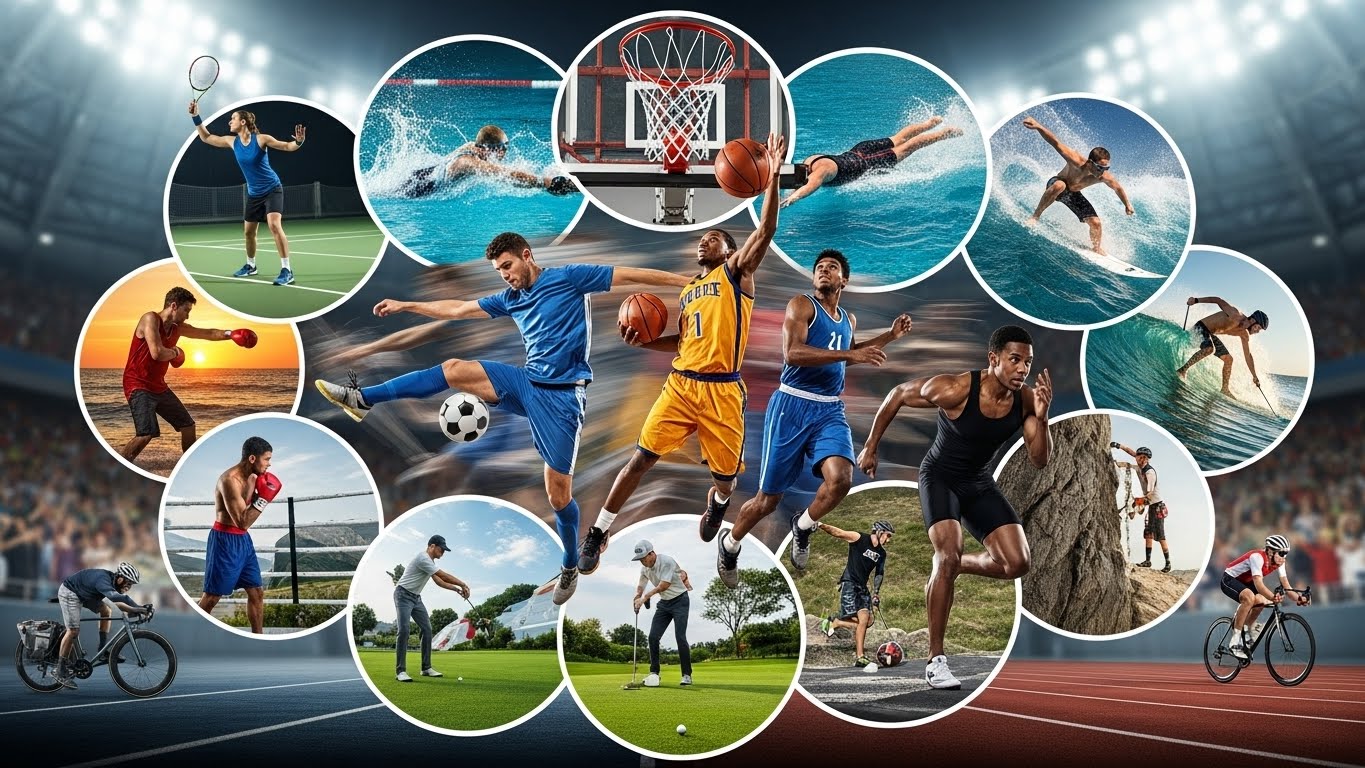
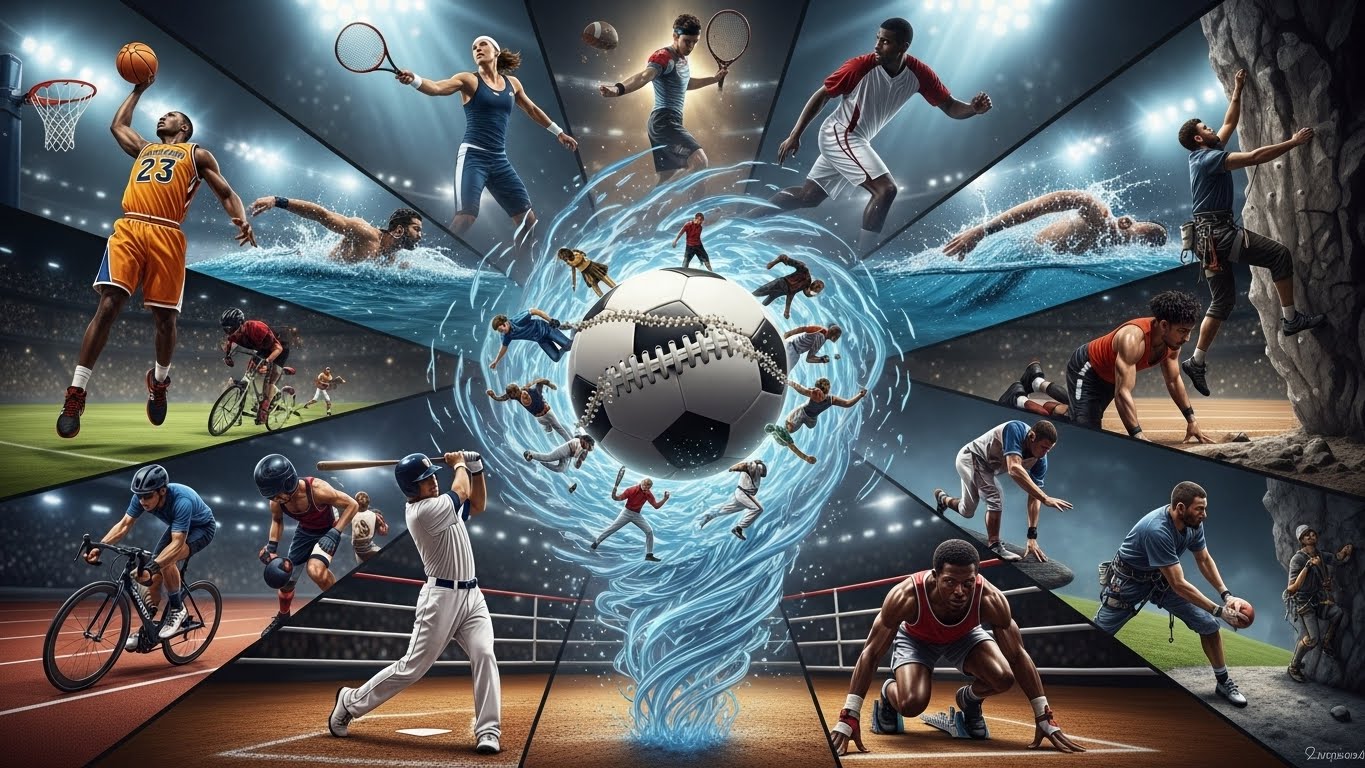
Sports are more than games. They are a reflection of human ambition, resilience, and community spirit. From the crack of a bat in baseball to the roar of a crowd in a football stadium, sports evoke emotions that transcend competition. They are a lens through which we understand determination, teamwork, and the pursuit of excellence. This blog explores how sports impact individual lives, influence society, and continue to evolve in ways that go far beyond winning and losing.
The Universal Language of Sports
One of the most remarkable aspects of sports is its universality. Regardless of culture, language, or geography, sports bring people together. International events like the Olympics or the World Cup create shared experiences that unite millions. Fans and athletes alike find common ground in the thrill of competition, the appreciation of skill, and the celebration of triumphs.
Sports teach values that resonate across borders. Discipline, respect, perseverance, and fairness are embedded in the practice and appreciation of athletics. Children learn early that training, focus, and cooperation are essential to success, lessons that carry over into academics, careers, and personal relationships.
The Psychology of Athletic Performance
Athletes are often admired for physical strength and agility, but the mental dimension of sports is equally important. Psychological preparation, focus, and resilience often separate elite performers from the rest. Visualization, mindfulness, and mental conditioning are now standard practices in professional sports, helping athletes maintain confidence and composure under pressure.
The concept of a growth mindset is particularly relevant in sports. Athletes learn that setbacks are opportunities for improvement rather than signs of failure. This approach to challenges encourages persistence and long-term development, not only in sports but in life. Understanding the mental game is critical for fans, coaches, and athletes alike, as it shapes how success is achieved and celebrated.
How Sports Shape Physical Health
Regular participation in sports provides benefits far beyond competition. Physical fitness, endurance, strength, and flexibility are natural byproducts of consistent athletic activity. For children and adults alike, sports help build healthy habits, combat obesity, and improve cardiovascular and muscular health.
Beyond the physical benefits, sports can enhance mental well-being. Exercise releases endorphins, reduces stress, and improves mood. Team sports also offer social support, camaraderie, and a sense of belonging, which are essential for overall emotional health. Communities that encourage sports participation often experience lower rates of mental health challenges and stronger social cohesion.
Sports as a Vehicle for Social Change
Throughout history, sports have served as a platform for social progress. Iconic athletes have used their visibility to advocate for civil rights, gender equality, and social justice. The world has witnessed moments when sports became more than a game: when athletes stood against injustice, inspired millions, and ignited movements that transcended stadium walls.
Sports can also foster inclusion and diversity. Adaptive sports provide opportunities for differently-abled athletes to compete and showcase talent. Initiatives that encourage female participation in traditionally male-dominated sports challenge societal norms and empower the next generation. In this way, sports are not merely recreational; they are a catalyst for societal transformation.
The Evolution of Modern Sports
The landscape of sports has evolved dramatically over the past century. Professional leagues, international competitions, and advances in training technology have elevated performance standards. Analytics, wearable technology, and video analysis now play crucial roles in refining technique and strategy. Athletes train smarter, monitor their health in real time, and gain insights that were previously unimaginable.
The spectator experience has evolved alongside these advancements. High-definition broadcasts, virtual reality simulations, and interactive platforms allow fans to engage with sports in ways that transcend physical boundaries. The relationship between athletes and fans is stronger than ever, fostering communities united by shared passion and excitement.
The Economics of Sports
Sports are also a powerful economic force. Major events generate revenue through ticket sales, merchandising, broadcasting rights, and sponsorships. Cities invest in stadiums and facilities to host events, stimulate tourism, and boost local businesses. Athletes themselves often become entrepreneurs, influencers, and brand ambassadors.
However, the commercialization of sports brings challenges. The pressure to perform for financial gain, the influence of sponsors, and the risk of prioritizing profit over ethics require careful management. Balancing business interests with the core values of fair play, integrity, and sportsmanship remains an ongoing challenge for sports organizations worldwide.
Teamwork, Leadership, and Character Development
Sports provide a unique environment to develop essential life skills. Team sports teach collaboration, communication, and conflict resolution. Leadership emerges naturally as players motivate, support, and guide one another toward common goals. Even individual sports cultivate discipline, self-reliance, and resilience.
These lessons extend beyond the field. Professionals, students, and community members who participate in sports often display stronger problem-solving abilities, emotional intelligence, and adaptability. Coaches play a pivotal role in shaping character, reinforcing the notion that sports are as much about personal growth as they are about competition.
The Role of Youth Sports in Society
Youth sports have a profound impact on society. They provide safe spaces for children to explore abilities, build friendships, and develop confidence. Organized sports programs teach rules, structure, and the value of commitment.
Participation in sports also encourages lifelong fitness habits, reducing the risk of chronic diseases and promoting well-being. Communities that invest in youth sports often witness improved social cohesion, reduced delinquency, and stronger educational outcomes. These benefits highlight why sports programs for young people are not a luxury but an essential component of social development.
Technology and the Future of Sports
Emerging technology is transforming how athletes train, how fans engage, and how sports are experienced. Wearable devices track performance metrics, virtual and augmented reality provide immersive training and viewing experiences, and artificial intelligence analyzes game strategies with unprecedented precision.
Technology also increases accessibility. Fans who cannot attend live events can experience them virtually, and athletes from underrepresented communities can access resources and guidance previously limited by geography or financial constraints. The future of sports will likely involve an even deeper integration of technology, balancing innovation with authenticity and human connection.
Sports as a Cultural Phenomenon
Sports are not just physical activities; they are cultural touchstones. They shape national identity, influence fashion and music, and inspire art and storytelling. Iconic moments in sports become part of collective memory, uniting communities through shared triumphs and heartbreaks.
The cultural impact of sports extends to values and traditions. Rituals, chants, and local team loyalties create a sense of belonging. Fans often experience emotions as intensely as athletes themselves, making sports a powerful cultural glue that transcends age, background, and language.
Conclusion
Sports are far more than competitions or scores. They shape individuals, communities, and societies. They teach discipline, resilience, and teamwork while inspiring cultural pride and social change. Modern sports combine tradition with technology, athleticism with mental fortitude, and entertainment with education.
As society continues to evolve, the role of sports will remain profound. From youth leagues to professional arenas, from local playgrounds to international stages, sports connect humanity through shared experiences, challenges, and victories. They remind us that beyond the medals, trophies, and accolades, sports are about growth, connection, and the enduring pursuit of excellence.
The story of sports is the story of humanity itself—resilient, aspirational, and united in the pursuit of something greater than oneself.