Introduction: Sports as a Cornerstone of Humanity
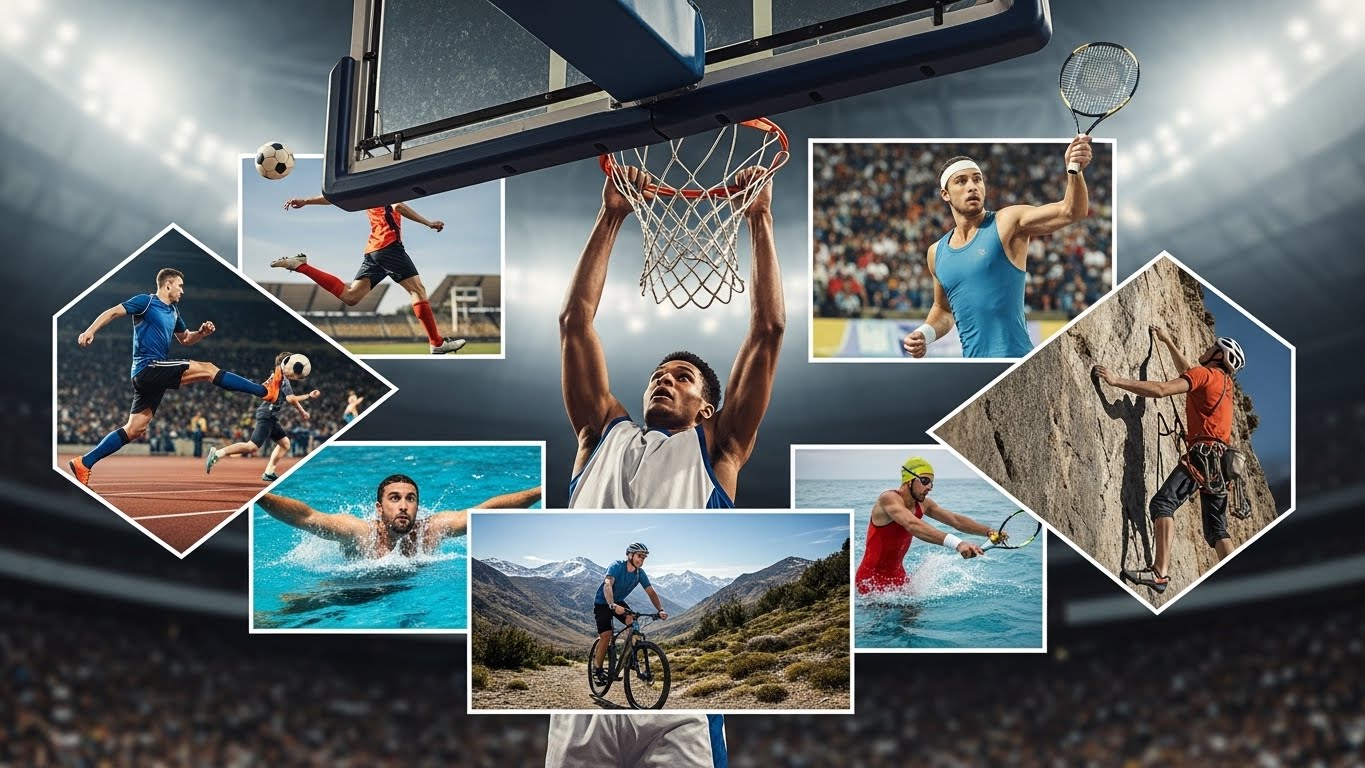
Sports have been an integral part of human civilization for thousands of years. From ancient athletic contests to modern-day global tournaments, sports have transcended cultures, nations, and generations. They are not merely games; they are a medium through which individuals learn discipline, teamwork, and resilience. Beyond physical activity, sports have the power to influence mental health, foster social connections, boost local and global economies, and even serve as a platform for peace and diplomacy. This blog explores how sports impact lives at multiple levels, shaping individuals and society as a whole.
The History of Sports: From Ancient Times to Modern Glory
Human fascination with competition dates back centuries. Ancient civilizations like the Greeks, Romans, and Egyptians organized athletic contests to demonstrate strength, skill, and courage. The Olympic Games of ancient Greece were more than sports events—they were cultural and religious celebrations that honored human achievement.
Over time, sports evolved into organized activities with codified rules, professional athletes, and structured competitions. Modern sports, from football and basketball to cricket and tennis, reflect a rich history of human innovation, cultural exchange, and shared values. This evolution demonstrates that while equipment, rules, and venues may change, the essence of sports—the pursuit of excellence—remains timeless.
Physical Benefits: Building a Healthier Body
One of the most apparent benefits of sports is their contribution to physical well-being. Regular participation in sports strengthens the cardiovascular system, builds muscular strength, improves flexibility, and enhances overall stamina. Activities like running, swimming, football, and martial arts not only improve physical fitness but also teach the body how to endure stress, recover quickly, and perform under pressure.
For children, sports are instrumental in developing healthy habits early in life. They encourage physical activity, coordination, and motor skill development, creating a foundation for long-term wellness. Adults benefit as well, as sports provide a fun and engaging way to maintain fitness without the monotony of conventional exercise routines. By combining enjoyment with physical exertion, sports offer a sustainable path to lifelong health.
Mental Benefits: Strengthening the Mind
Sports do more than strengthen the body—they enhance mental resilience. Athletes face pressure, setbacks, and high-stakes challenges, which develop problem-solving skills, focus, and emotional control. Losing a game teaches humility and the importance of perseverance, while winning fosters confidence and self-esteem. These experiences are invaluable for personal growth and success in other areas of life.
Team sports teach communication, collaboration, and leadership. Individual sports, on the other hand, cultivate independence, self-motivation, and strategic thinking. In both cases, sports offer a structured environment for individuals to develop emotional intelligence, manage stress, and maintain mental clarity.
Sports and Social Connection
Sports have an unparalleled ability to bring people together. They foster community identity and social cohesion by creating shared experiences. Local clubs, school teams, and neighborhood leagues provide opportunities for individuals to build friendships, develop camaraderie, and support one another.
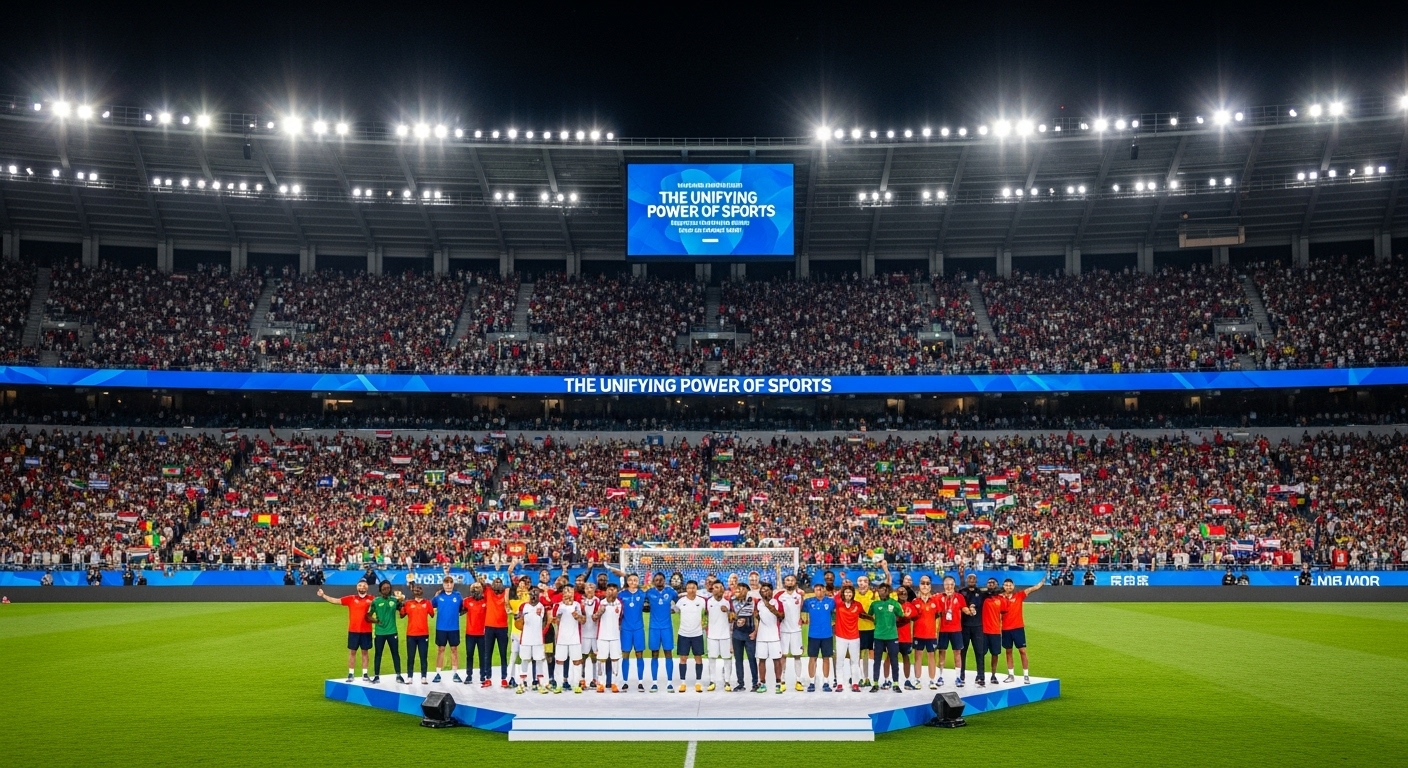
On a national and international scale, sports unite entire populations. Global competitions such as the Olympics or World Cup ignite national pride and create collective moments of joy or sorrow. Cultural traditions surrounding specific sports further strengthen community bonds. Through sports, individuals experience connection, empathy, and a sense of belonging, making them a vital social force.
Economic Significance of Sports
Sports are not only socially impactful but also economically powerful. Major events generate significant revenue through ticket sales, broadcasting rights, merchandise, and sponsorship deals. Local businesses benefit from increased tourism and hospitality demand during tournaments, creating jobs and stimulating economic activity.
Professional athletes also contribute to the economy by attracting endorsements, media attention, and brand collaborations. Sports infrastructure, from stadiums to training facilities, generates long-term employment opportunities and supports local economies. The passion of fans combined with organized competitions creates a financial ecosystem that drives growth across multiple sectors.
Technological Advancements in Sports
Technology has transformed how sports are played, coached, and consumed. Data analytics, wearable devices, and performance-tracking tools help athletes optimize their training, prevent injuries, and refine strategies. Video review systems and instant replay enhance fairness and accuracy in competitions.
Fans also benefit from technology, gaining access to real-time statistics, immersive viewing experiences, and interactive platforms to engage with their favorite teams. Virtual competitions and esports are expanding the definition of sports, blending traditional athletic skills with digital innovation. Technology ensures that sports continue to evolve while maintaining excitement and accessibility.
Sports as a Teacher of Values
One of the most profound aspects of sports is their ability to instill values. Discipline, integrity, perseverance, teamwork, and respect are cultivated through athletic participation. Sports teach individuals to follow rules, respect opponents, and accept outcomes gracefully, whether in victory or defeat.
These lessons extend beyond the playing field. Individuals who engage in sports often exhibit better leadership skills, improved collaboration, and higher levels of self-confidence. Sports foster ethical behavior, emotional intelligence, and social responsibility, making them a vital tool for personal development and societal well-being.
Women in Sports: Breaking Barriers
The rise of women in sports marks a transformative era. Female athletes are achieving unprecedented recognition, breaking records, and inspiring millions worldwide. Women’s sports leagues are gaining prominence, highlighting the talent, dedication, and resilience of female competitors.
Encouraging girls to participate in sports promotes gender equality and challenges stereotypes. It empowers women to pursue professional careers in athletics, leadership roles, and other fields. The growing visibility of women in sports contributes to a more inclusive culture, ensuring that future generations of athletes have equal opportunities to excel.
Sports as a Tool for Peace and Diplomacy
Sports have the unique ability to bridge political and cultural divides. International competitions can foster mutual respect, diplomacy, and understanding among nations. Friendly matches between countries or collaborative sports events often create opportunities for dialogue and cooperation where traditional diplomacy may falter.
Athletes, by demonstrating fair play and sportsmanship, send messages of unity and empathy. Global sporting events showcase the power of shared passion to connect people, highlighting how competition can inspire collaboration rather than conflict. Sports remind humanity that cooperation and mutual respect are possible even amidst diversity.
The Future of Sports
The future of sports is dynamic, inclusive, and technology-driven. Innovations such as virtual reality training, digital competitions, and hybrid sports are reshaping how athletes prepare and how fans engage. Sustainability initiatives are influencing stadium design and event organization, ensuring that sports can thrive without harming the environment.
Esports continues to gain mainstream recognition, blending strategic thinking with digital skill, while traditional sports adapt to changing social, cultural, and technological landscapes. As global participation increases, sports will continue to inspire physical fitness, social unity, and personal growth. The core values of competition, discipline, and teamwork will remain central to sports, ensuring their relevance for generations to come.
Conclusion: The Enduring Power of Sports
Sports are far more than games. They are a reflection of human ambition, creativity, and resilience. They strengthen the body, sharpen the mind, and foster emotional well-being. Sports bring communities together, drive economic growth, and promote ethical values. They empower women, unite nations, and inspire individuals to pursue excellence.
The essence of sports lies in challenge, passion, and connection. They remind us that through dedication, teamwork, and perseverance, we can achieve greatness. As humanity continues to evolve, sports will remain a vital force, shaping lives, cultures, and societies for generations.