Introduction: The Universal Language of Sports
Sports have always been more than a pastime or a way to stay physically active. From the roar of the crowd in a packed stadium to the quiet determination of an athlete practicing alone, sports are a universal language that transcends borders, cultures, and generations. They connect people in ways that few other activities can, fostering community, pride, and shared experiences. Whether played at a professional level or in a casual neighborhood game, sports embody the essence of human ambition, discipline, and joy.
The beauty of sports lies not just in winning or losing but in the stories they create. Every match, race, or tournament is an unfolding narrative filled with tension, triumph, and heartache. These narratives inspire millions of fans and athletes alike to pursue excellence, push their limits, and embrace the spirit of fair play.
Physical Benefits: Strength, Stamina, and Overall Health
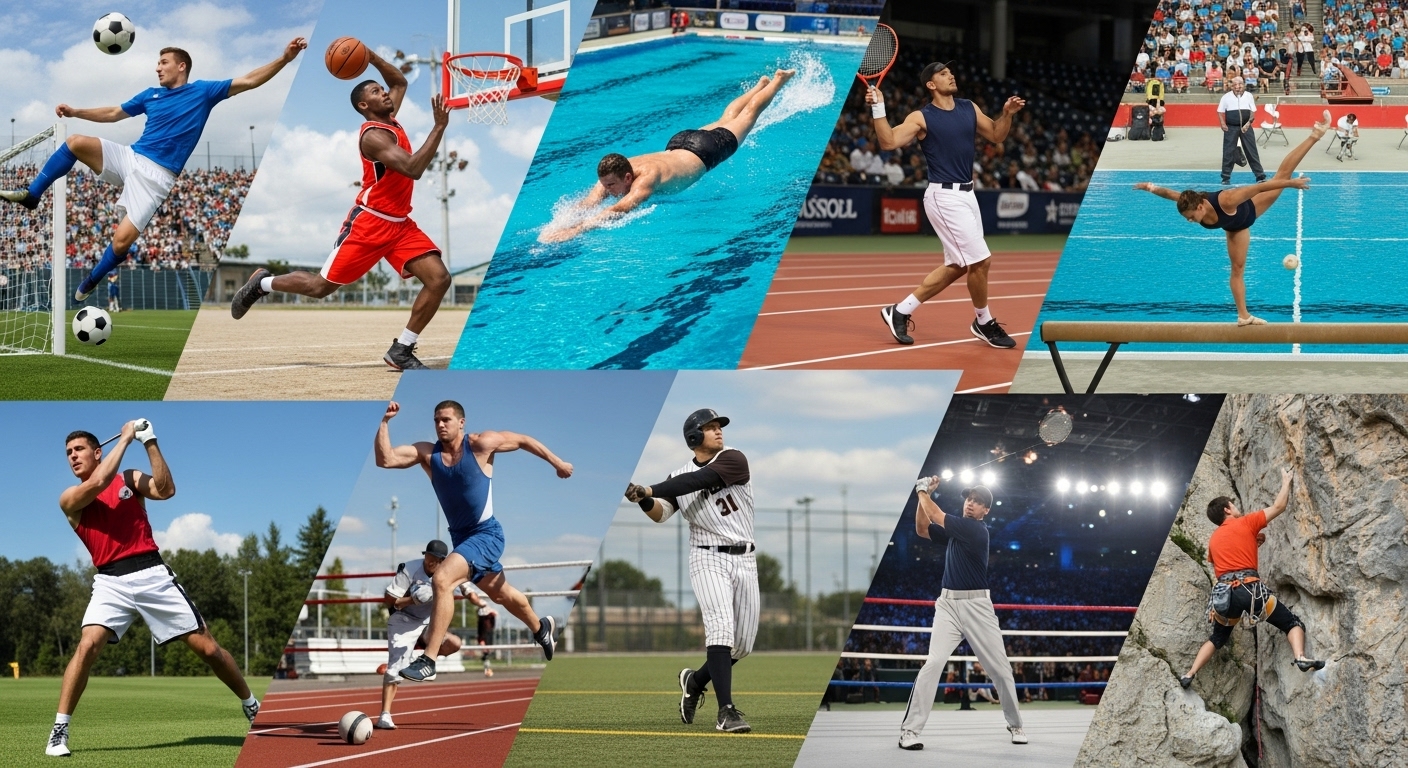
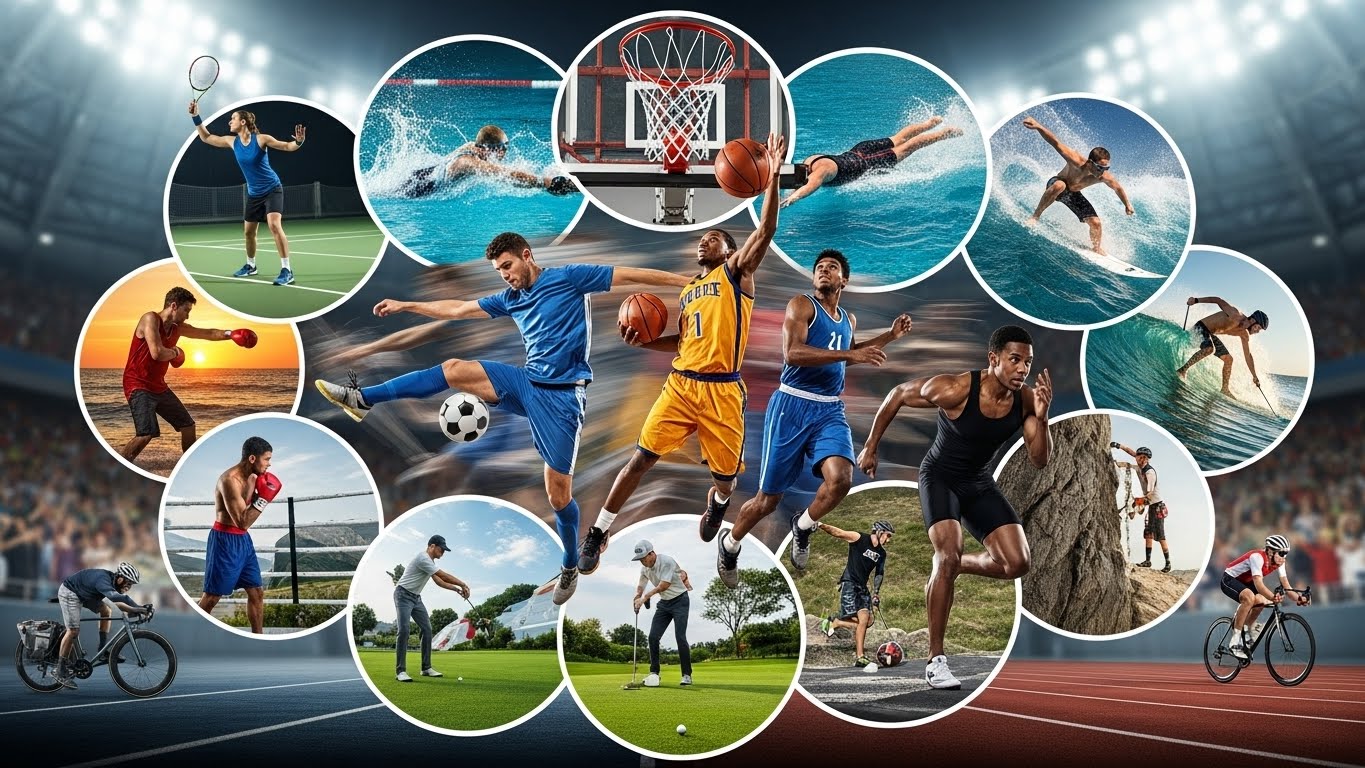
One of the most evident advantages of engaging in sports is the physical benefits it brings. Regular participation helps build strength, endurance, flexibility, and coordination. Sports such as swimming, soccer, basketball, and track and field are excellent for cardiovascular health, improving lung function, and maintaining a healthy weight. Engaging in physical activity through sports reduces the risk of chronic illnesses such as heart disease, diabetes, and obesity.
Beyond these measurable benefits, sports also improve posture, balance, and bone density. Activities that require rapid movements and reflexes, such as tennis or martial arts, enhance agility and hand-eye coordination. Children who participate in sports develop motor skills at an early age, while adults benefit from increased mobility and overall fitness. The physical aspect of sports may seem obvious, but its long-term impact on health and well-being cannot be overstated.
Mental and Emotional Benefits: Strengthening the Mind
Sports are not only a workout for the body but also a workout for the mind. Participation in sports teaches mental resilience, patience, and focus. Athletes face challenges daily, from overcoming personal limits to handling defeat gracefully. These experiences build mental toughness and the ability to manage stress effectively.
Sports can also have a profound effect on emotional health. They provide a natural outlet for releasing stress, anxiety, and frustration. The sense of achievement that comes with personal improvement, setting goals, and winning matches fosters self-confidence and self-esteem. Furthermore, team sports cultivate social skills, cooperation, and empathy, helping individuals navigate relationships both on and off the field. The mental and emotional growth derived from sports often extends into other areas of life, influencing education, career, and personal relationships positively.
Sports as a Social Connector: Building Communities and Friendships
One of the most remarkable aspects of sports is their ability to bring people together. Fans unite behind teams, sharing joy in victories and disappointment in losses. Athletes form lifelong friendships through shared experiences, training sessions, and competitions. Sports events become communal celebrations where people from diverse backgrounds find common ground.
At the local level, sports strengthen communities by creating spaces for interaction, teamwork, and mutual support. Youth sports programs, in particular, play a crucial role in fostering discipline, leadership, and a sense of belonging. Community sports leagues offer a safe and structured environment for children and adults alike, encouraging healthy competition and personal growth. Beyond professional arenas, sports cultivate camaraderie, bridging gaps between individuals and fostering mutual respect.
The Role of Discipline and Hard Work in Sports
Success in sports is rarely accidental. Behind every gold medal, championship trophy, or record-breaking performance is years of dedication, practice, and sacrifice. Athletes often adhere to strict routines, balancing training, diet, rest, and personal life with remarkable discipline. This level of commitment is not limited to elite athletes. Anyone who participates in sports can develop a strong work ethic and goal-setting skills.
The journey toward mastery teaches valuable life lessons, including perseverance, time management, and accountability. Facing setbacks and injuries cultivates resilience, while celebrating small victories fosters patience and motivation. Sports provide a structured framework for personal development that extends far beyond the playing field, instilling traits that are valuable in academics, careers, and relationships.
The Evolution of Sports: From Ancient Games to Modern Spectacles
Sports have been an integral part of human civilization for thousands of years. Ancient societies engaged in athletic competitions not only for recreation but also for religious and cultural purposes. The Olympic Games in ancient Greece celebrated both physical prowess and spiritual excellence, setting a precedent for the modern Olympics.
With time, sports evolved to reflect changes in technology, society, and media. Professional leagues, televised matches, and digital platforms have transformed sports into global spectacles. Today, sports personalities are not only athletes but also influencers, role models, and cultural icons. This evolution has broadened the reach of sports, allowing millions to participate, watch, and engage with their favorite games from anywhere in the world. Despite technological advancements, the essence of sports—the thrill of competition and the celebration of human ability—remains unchanged.
Diversity in Sports: A Platform for Inclusion
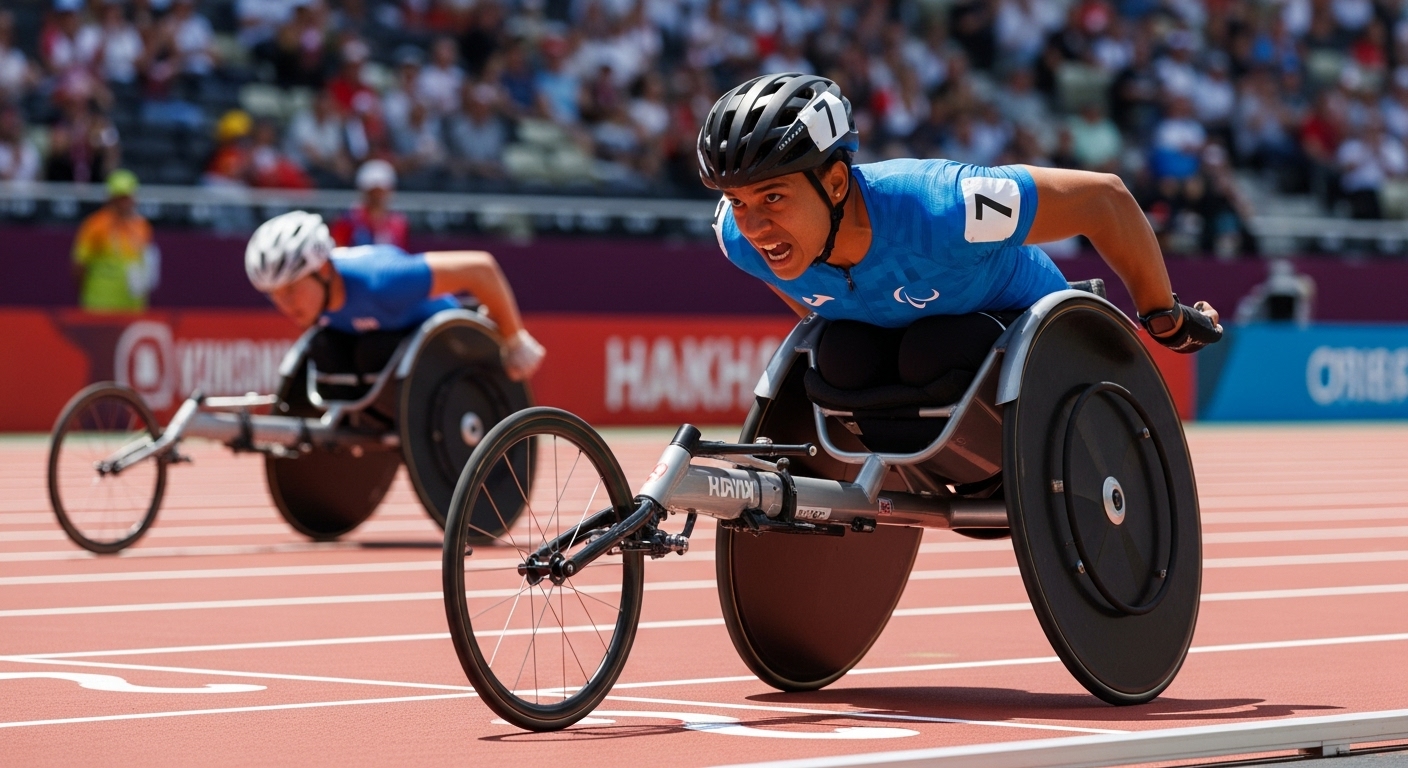
Sports are inherently inclusive, offering opportunities for people of all ages, genders, and backgrounds. Adaptive sports provide platforms for individuals with disabilities to showcase talent and compete at national and international levels. Women’s sports have gained significant recognition over the decades, breaking stereotypes and inspiring future generations.
Diversity in sports goes beyond gender and ability. Cultural and national representation brings unique styles, strategies, and traditions to the global stage. International tournaments celebrate these differences, emphasizing unity, respect, and mutual understanding. Sports teach the powerful lesson that talent, effort, and determination matter more than background, encouraging a fair and inclusive approach to competition and collaboration.
The Role of Technology in Modern Sports
Technological advancements have significantly transformed the way sports are played, analyzed, and experienced. Wearable devices, performance tracking tools, and analytics software help athletes optimize training, monitor health, and prevent injuries. Instant replay systems, goal-line technology, and advanced officiating tools have improved fairness and accuracy in competitions.
Technology has also revolutionized fan engagement. Virtual reality, live streaming, and interactive applications allow audiences to immerse themselves in games like never before. Sports video games and e-sports have created new avenues for competition and entertainment, attracting younger generations and expanding the definition of what sports can be. Despite these innovations, the core of sports—teamwork, strategy, and human skill—remains central to their appeal.
Sportsmanship and Ethics: Playing with Integrity
Sports are a reflection of human values, teaching lessons that extend far beyond the playing field. Fair play, respect for opponents, and integrity are fundamental principles that define true sportsmanship. Athletes are often celebrated not only for victories but for acts of courage, humility, and fairness.
Ethical conduct in sports goes beyond following rules. It involves cultivating a mindset that values honesty, empathy, and responsibility. Fans, too, play a role in reinforcing these values by respecting athletes, referees, and competitors. The emphasis on ethics ensures that sports remain a positive force in society, promoting character development alongside physical excellence.
The Future of Sports: Innovation and Global Engagement
The future of sports is promising and dynamic. Emerging disciplines, increased focus on sustainability, and global collaborations are reshaping the sports landscape. Cities are investing in eco-friendly stadiums and infrastructure, while organizations promote sports for mental health, education, and social change.
Globalization has made sports more interconnected than ever. International competitions foster cultural exchange, diplomacy, and shared experiences. Virtual platforms, advanced analytics, and interactive fan experiences continue to make sports accessible to a wider audience. The combination of tradition and innovation ensures that sports will remain a cherished part of human life for generations to come.
Conclusion: Sports as a Reflection of Human Spirit
At its core, sports are a celebration of the human spirit. They challenge individuals to push boundaries, cultivate resilience, and pursue excellence. They unite communities, foster inclusivity, and inspire millions to lead healthier, more disciplined, and more joyful lives. Beyond the medals, trophies, and records, sports embody values that define who we are as humans: determination, empathy, respect, and the relentless pursuit of growth.
Whether playing in a local park, competing at a professional level, or cheering from the sidelines, engaging with sports is an experience that enriches the mind, body, and soul. It is a timeless reminder that while winning is celebrated, the journey itself—the struggle, the growth, and the connection—is what makes sports truly extraordinary. Sports are not merely games; they are a mirror of our potential, our resilience, and our shared humanity.