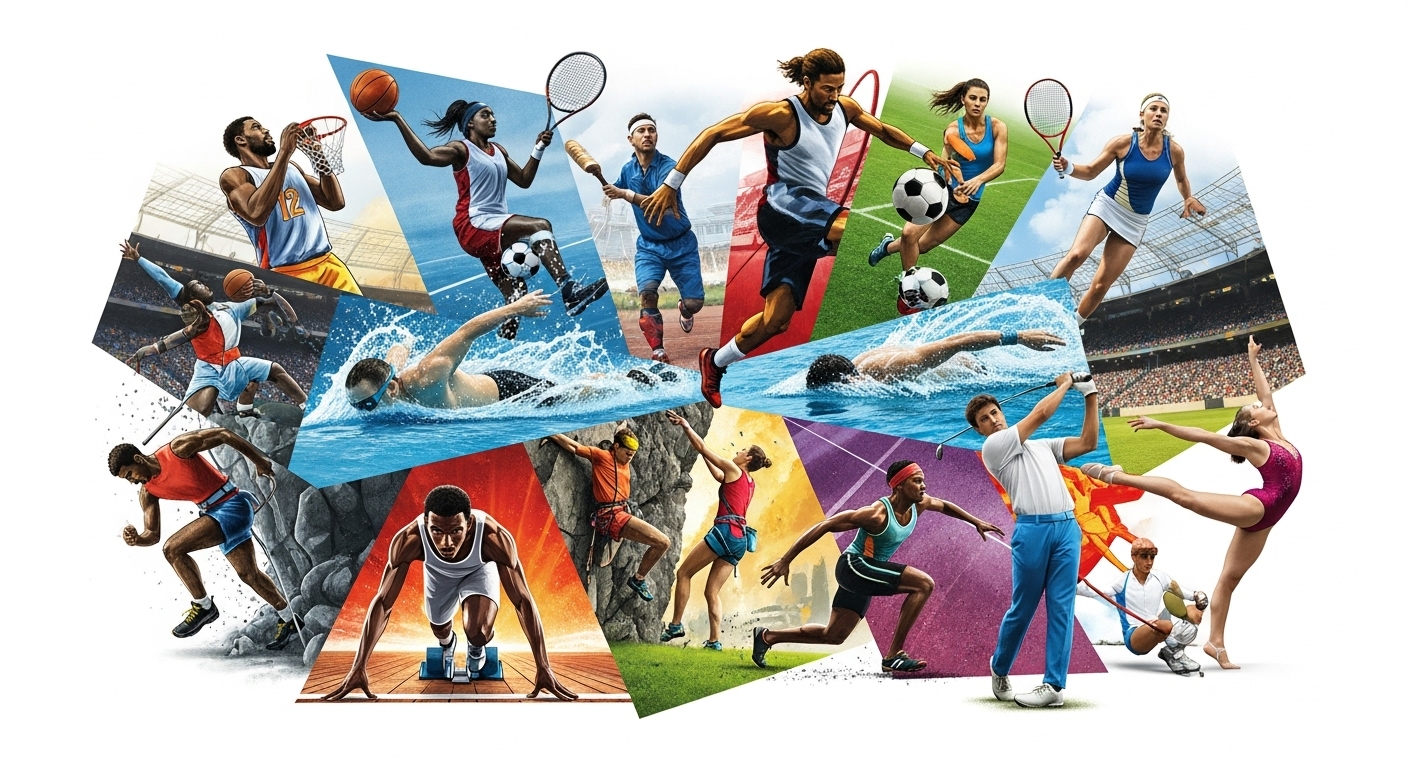

Sports have always been a cornerstone of human society, evolving from simple recreational activities to global spectacles with far-reaching implications. Whether it’s a local game of soccer or the grandeur of the Olympic Games, sports unite people, transcend cultural and language barriers, and foster personal and communal growth. Beyond mere competition, sports have a profound impact on physical health, mental well-being, and social cohesion. In this blog post, we will explore the many dimensions of sports, from their transformative effects on individuals to their power in shaping communities and societies.
The Global Impact of Sports: Unifying the World
At its core, sports are a universal language that connects people from all walks of life. Regardless of where you are in the world, sports are a shared experience, and this connection brings people together. When people watch or play sports, they become part of a global community. This is one of the most powerful aspects of sports: their ability to transcend geographic, linguistic, and cultural differences.
A perfect example of this is the FIFA World Cup, where nations across the world come together to compete in football. This event is one of the most-watched global spectacles, attracting millions of viewers from different countries and cultures. Sports like football, basketball, and tennis are not just games—they are events that captivate billions of people and provide a common platform for shared excitement and passion. Even though these sports may originate from particular countries, their global reach allows people from all corners of the world to partake in the experience, whether by playing or watching.
Moreover, sports are often used as a tool for diplomacy. For example, in 1971, a friendly table tennis match between the United States and China helped pave the way for the resumption of diplomatic relations between the two countries. This event, known as “Ping Pong Diplomacy,” exemplifies the power of sports in creating bonds between nations and bridging ideological divides.
Sports and Physical Health: The Benefits We Can’t Ignore
Participating in sports is undoubtedly one of the best ways to maintain physical health. Regular physical activity is critical for overall well-being, and sports provide an enjoyable and motivating outlet for staying active. Here’s how engaging in sports positively impacts physical health.
Cardiovascular Health
One of the primary benefits of playing sports is cardiovascular fitness. Sports like running, cycling, football, and basketball are excellent for the heart, improving blood circulation, and reducing the risk of heart disease. Engaging in these sports regularly helps lower blood pressure and cholesterol levels, which are crucial factors in maintaining a healthy heart.
Muscle and Bone Strength
Sports that involve running, jumping, and weight-bearing movements contribute significantly to muscle and bone health. Football, tennis, basketball, and even swimming all work different muscle groups in the body, promoting strength, coordination, and endurance. Additionally, weight-bearing exercises like tennis or gymnastics stimulate bone growth and density, which helps prevent osteoporosis and other bone-related issues as we age.
Weight Management and Metabolism
Sports also play an essential role in maintaining a healthy weight. Regular participation in sports helps burn calories, reduce body fat, and increase metabolism. The combination of aerobic exercise (such as running or swimming) and strength training (like weightlifting or resistance exercises) is the most effective strategy for weight management. Furthermore, sports provide a social and fun aspect, making it easier to commit to a fitness routine and stick with it in the long term.
Flexibility and Injury Prevention
Sports that require agility, balance, and coordination—like soccer, gymnastics, or dance—also help improve flexibility and reduce the risk of injury. Flexibility exercises involved in these sports increase joint mobility and muscle elasticity, which can prevent strains and sprains. Sports also help strengthen connective tissues, ligaments, and tendons, improving overall joint health and minimizing the risk of long-term damage.
Mental Health Benefits: The Power of Sports Beyond the Body
While the physical benefits of sports are widely recognized, their impact on mental health is just as profound. Engaging in regular physical activity can significantly improve mood, reduce stress, and increase overall feelings of happiness. Let’s explore how sports can improve mental well-being.
Stress Relief and Mood Enhancement
Physical activity triggers the release of endorphins—often referred to as the “feel-good” hormones. These chemicals help combat stress, alleviate anxiety, and boost mood. Whether through intense competition or a casual game with friends, playing sports provides an effective outlet for dealing with the pressures of daily life. A quick run, a game of basketball, or even a yoga session can serve as a form of relaxation and mental detox, helping individuals clear their minds and relieve stress.
Building Confidence and Self-Esteem
Sports offer opportunities for personal growth, achievement, and success. Whether an athlete wins a race or makes a game-winning shot, sports provide a sense of accomplishment that boosts self-confidence and self-esteem. Setting goals, overcoming challenges, and pushing personal limits can enhance an individual’s belief in their abilities, which can translate to other areas of life, such as career and relationships.
Moreover, team sports foster a sense of belonging and social support, which is critical for building confidence. The camaraderie formed on the field or court encourages positive interactions and a shared sense of pride, further enhancing self-worth.
Improved Focus and Discipline
Success in sports requires mental focus, strategy, and discipline—qualities that are invaluable outside of sports. Athletes must plan, execute, and adapt strategies in real-time, which enhances decision-making skills and cognitive abilities. These skills are transferable to various aspects of life, including academics and professional endeavors. Regularly engaging in sports instills discipline, teaching individuals the importance of commitment, time management, and perseverance.
Combatting Mental Health Disorders
Sports also play a significant role in combating mental health disorders such as depression and anxiety. Numerous studies have shown that physical activity can be as effective as medication for treating mild to moderate depression. The physical exertion of sports helps to regulate emotions, reduce negative thinking, and improve cognitive functioning. For people dealing with anxiety or depression, sports can serve as a constructive way to manage symptoms, offering a healthy coping mechanism and a sense of control.
Sports and Social Impact: Fostering Communities and Cultural Connections
Sports have a unique ability to bring people together and create strong social bonds. Whether it’s a local match in a neighborhood park or a global event like the Olympics, sports foster a sense of community, shared purpose, and identity.
Promoting Teamwork and Cooperation
Team sports, in particular, teach valuable lessons about teamwork and cooperation. Players must learn to work together, communicate effectively, and support one another in both victory and defeat. These experiences build trust, encourage mutual respect, and promote social cohesion. In many ways, the teamwork learned in sports mirrors the dynamics found in other social settings, such as the workplace or family.
Breaking Down Social Barriers
Sports are often an arena for breaking down social barriers. In many parts of the world, sports are used to promote inclusion and equality, providing opportunities for individuals of all backgrounds, genders, and abilities. Women’s sports, in particular, have gained significant ground in recent years, with more opportunities for female athletes at every level of competition.
Sports also have the power to bridge cultural and racial divides. Events like the World Cup, the Olympics, and the Commonwealth Games bring together people from different parts of the world, creating a platform for cultural exchange and mutual understanding. When athletes from diverse backgrounds compete on the same team or against each other, they foster a spirit of unity and respect.
Social Change and Advocacy
Beyond the field, many athletes use their platform to advocate for social change. Athletes like Muhammad Ali, Jackie Robinson, and Colin Kaepernick have used their visibility to bring attention to important social and political issues. Through their actions, they have inspired future generations to use sports as a means to speak out, challenge injustice, and drive positive change. The power of sports to raise awareness of issues like racial inequality, human rights, and climate change cannot be underestimated.
The Economic Influence of Sports
Sports also have a massive economic impact, driving billions of dollars globally. The sports industry includes professional leagues, sponsorship deals, merchandising, broadcasting rights, and tourism, all of which contribute to the economy. Major sporting events like the Olympics, World Cup, and the Super Bowl generate substantial revenue for cities and countries, boosting local economies through tourism, job creation, and infrastructure development.
The sports industry is one of the largest employers worldwide, offering careers in coaching, event management, media, marketing, and more. The economic contributions of sports extend beyond professional athletes and teams to include the countless individuals who work behind the scenes to make these events successful.
The Role of Sports in Education
Sports have a longstanding tradition in educational institutions, providing students with opportunities to develop teamwork, discipline, and leadership skills. School sports programs help students stay active, learn new skills, and foster a sense of school spirit and pride. Many students also benefit from sports scholarships, which allow them to pursue higher education while continuing their athletic careers.
In addition, sports programs at the school level promote physical fitness and can serve as a prevention tool for childhood obesity and related health issues. Through sports, students learn the importance of staying active and taking care of their bodies, lessons that last a lifetime.
Conclusion: A Force for Good
Sports are much more than just games; they are a force for personal growth, social change, and community building. They offer physical, mental, and social benefits that have a lasting impact on individuals and society as a whole. From the thrill of competition to the bonds of friendship, sports provide an invaluable platform for personal and collective development. Whether on a local scale or a global stage, sports will continue to unite, inspire, and shape lives for generations to come.